

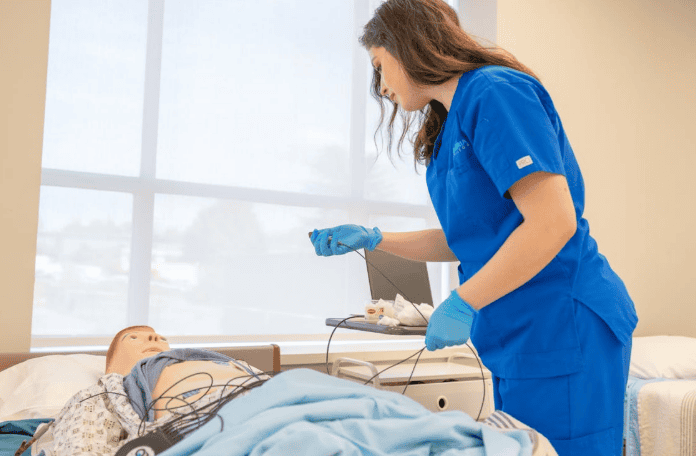
What makes a stable job more attractive than a pretty skyline or a good sandwich in downtown Pittsburgh? In Pennsylvania, where the healthcare sector keeps growing and job security still matters more than a ping-pong table in an office breakroom, nursing education continues to be one of the few paths that offer both purpose and a steady paycheck. In this blog, we will share how education lays the groundwork for a career in nursing—step by step.
Getting Started Where You Are
No one becomes a nurse by accident. It’s not a job you fall into after your cousin’s tech startup folds. It starts with a choice. And more people in Pennsylvania are making it.
With the state’s aging population rising faster than potholes after winter, demand for nurses isn’t just steady—it’s climbing. Hospitals, long-term care facilities, and clinics are all stretched, and the need has trickled down to educational institutions building new pathways into the profession.
That’s where flexible, accelerated options have started to matter more. Traditional four-year degrees still exist, but they’re not the only route. For people coming from different careers or backgrounds, new approaches are opening doors that used to be shut tight.
Take online nursing programs for non nurses in Pennsylvania—these offer a way in without forcing people to pause their lives. They’re built for working adults, for parents, for anyone who can’t drop everything to sit in a lecture hall. With clinicals arranged locally and coursework done remotely, they give people the structure to keep moving forward.
In a job market where everything feels volatile—from warehouse closures to AI disruption—nursing remains oddly stable. Not glamorous. Not easy. But needed. And the education system around it is catching up to meet people where they are.
Where the Job Starts: Not in a Classroom
Getting the degree doesn’t mean you’re handed a white coat and a ready-made identity. Nursing starts in the mess. On the floor. In rooms where no one else wants to be. It’s not about passing exams. It’s about being the person in the room when the hard stuff hits.
This is why the most successful nursing education doesn’t treat students like customers. It doesn’t overpromise or gloss over the bad days. Clinical hours aren’t a formality. They’re where the work actually starts. And for many, it’s where the decision either hardens into commitment—or burns out quick.
Take someone shifting from customer service to healthcare. They’ve learned how to manage chaos, but they haven’t had to deal with actual emergencies. The classroom won’t test them like a late-night rotation in the ER will. Nursing education that works doesn’t pretend otherwise. It throws people into situations where they must decide: do I freeze, or move?
And here’s the thing—those who keep moving often find they’ve already developed the habits that matter. Showing up on time. Staying focused under stress. Listening. Following through. These don’t come from textbooks. They come from working lives, parenting, caregiving, military service. Education just channels them into a new setting.
Shifting Expectations in the Healthcare System
Healthcare is changing whether we like it or not. Hospitals are short-staffed, not just in rural towns but in cities too. Telehealth has made some things easier, but it hasn’t lessened the need for hands-on care. If anything, it’s exposed how critical in-person nursing still is. That adds weight to every new nurse entering the system. They’re not filling gaps anymore—they’re holding the structure together.
At the same time, public trust in institutions is shaky. Healthcare hasn’t been spared. Patients bring skepticism into the room. They’ve Googled every symptom.
They’ve argued with insurance. Nurses don’t just check vitals; they become translators between the system and the human. And if you’re new to the field, you don’t get a pass. You walk in expected to keep pace. That’s where good education matters most—not in the grades, but in how it prepares people for the reality of what they’re walking into.
There’s a kind of quiet irony in how nursing has become a go-to career path in an era obsessed with tech and automation. While everyone else is chasing remote work and frictionless interfaces, nurses are leaning into high-stakes, in-person, deeply human labor. The robots haven’t figured out how to hold someone’s hand during a bad diagnosis. That part of the job’s still safe—for now.

Making the Switch: What Actually Helps
For anyone eyeing nursing education as a second or third career, there are a few things that actually make the leap easier. First, forget the idea that it’s too late. Nursing schools have stopped designing everything around 19-year-olds.
Whether you’re in your thirties or fifties, there are routes that don’t require hitting reset. Accelerated programs, online coursework, local clinicals—these aren’t shortcuts. They’re designed to keep people from burning time and money just to meet old academic molds.
Second, focus on what transfers. Nursing education needs people who can stay calm, who can handle repetition without losing attention, who can track details across long shifts. If you’ve worked in food service, logistics, teaching—any job that requires focus and resilience—you’re already ahead.
Third, know that the first year after graduating may feel like starting from scratch, even if you’ve had a full work life already. That’s normal. Healthcare doesn’t care how long you worked in another field. It cares how you handle 12-hour shifts, tough patients, and non-stop demands. Expect humility to be part of the process.
Long-Term Outlook: Why It’s Still Worth It
Nursing isn’t just a job. It’s a long game. People don’t usually stick with it for prestige or creative freedom. They stick with it because it offers something that most industries don’t anymore: real purpose, solid wages, and the ability to work almost anywhere.
The path isn’t linear either. Starting in bedside care can lead to case management, education, administration, or even policy roles. Some go on to become nurse practitioners. Others shift into mental health or research. The education that gets you in the door also opens options later—quietly, steadily.
And in a world that keeps shifting—where AI tools keep eating office jobs, where companies ghost whole departments with a single email—nursing education still requires humans. It’s physical. It’s emotional. It’s present. The people who can do that well won’t be out of work any time soon.
Even in the roughest hospitals, even with short staffing and hard nights, there’s something unshakable about being the one people look for when they need help. Not because it’s glamorous. Because it matters.
If you’re thinking about it, start. Ask questions. Look for real programs. Talk to nurses who actually do the job. Don’t wait for the system to get easier or the timing to be perfect. Just begin. Because the world isn’t slowing down. But you could still find your footing in the middle of it—one step, one class, one shift at a time.