

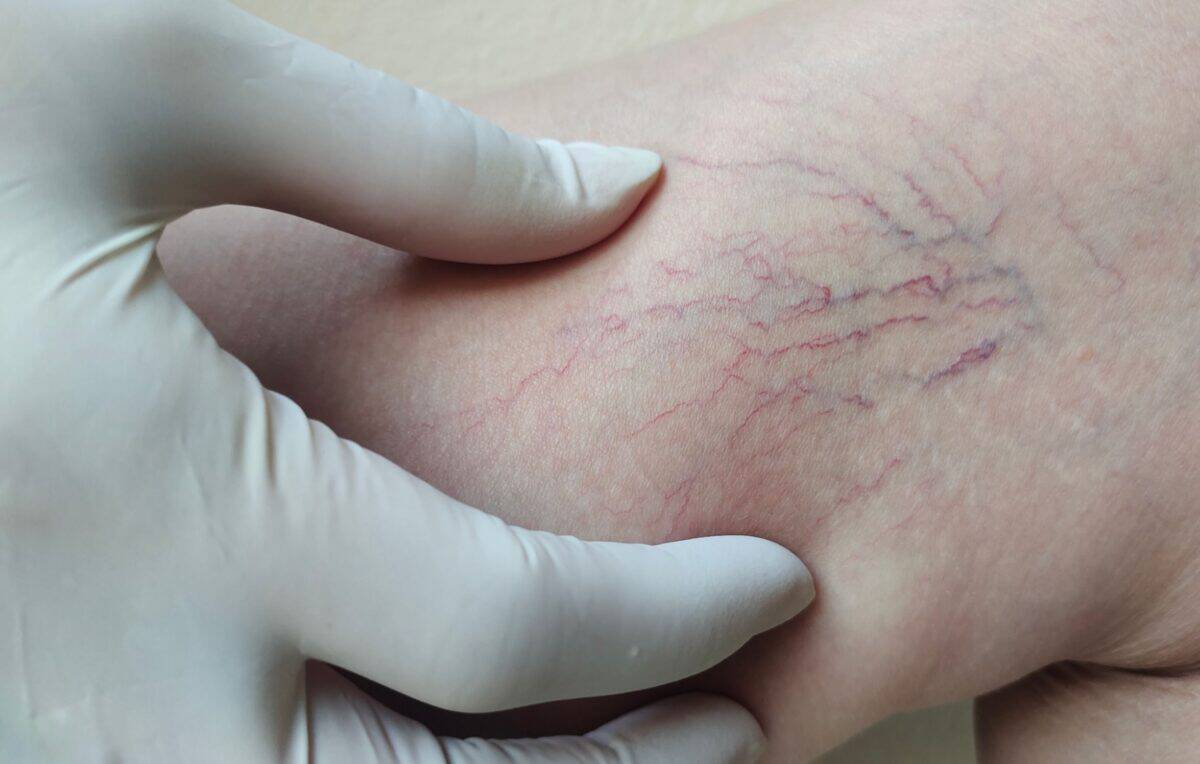
Most of the visible vein conditions like varicose veins and spider veins are treated medically when discussing circulation, pain, and physical treatment methods. But their psychological effect is just as large and far too often ignored.
Indeed, for many of these people the ailment is not just physical it affects how one views oneself in terms of confidence and self-esteem. In a world where skin-heath issues can impact both social and work lives, visible vein problems can alter how people feel about & see themselves, as well as what they think others see when they look at their skin.
The Emotional Side of Vein Disease
Visible swollen or darkened veins, especially on the legs may cause body-consciousness and distress. You start to become a little self-conscious about your body, especially when it comes to showing skin where veins may be more visible (like shorts, skirts or swimwear). This increased awareness may slowly develop into wider issues with attractiveness and physical appearance.
This reaction is grounded in the psychology of how humans take in and follow societal messaging about beauty standards, such as those related to our bodies. And sometimes, visible differences that may not directly threaten someone’s health can lead to negative assumptions they’re viewed as imperfections. This perception builds over time and results in a negative self-image that chips away at your self-esteem.
Confidence and Social Interaction
Confidence is extremely important for how people connect to the world around you. When someone has body insecurity, it can affect their attitude when around others. Those with visible vein conditions may shun activities that reveal their legs or involved a swimsuit, such as going to the beach, playing sports, and socialising.
Losing this can mean avoiding opportunities for connection and enjoyment which further reinforces an experience of isolation. In the case of professional environments, lesser confidence may impact communication, presentation and performance, in totality. While these impacts differ from person to person, one theme remains constant: visual communication is integral to psychological experiences.
Anxiety and Body Image Concerns
Likewise, anxiety levels often signify an inherent psychological response to visible type vein diseases. People who are concerned about how others see them will self-monitor more in social contexts, leading to heightened stress. It can manifest most seriously in situations where physical presentation matters.
Along with that anxiety, there are often body image issues. People can do comparative analysis with others based on imperfections, rather than simply adhere to overall health or functionality. That back-and-forth interplay can lead to a negative feedback loop, with ever more focus on the areas where they are at play heightening emotional pain.
In some instances, these emotions can be associated with larger mental health issues, such as chronic anxiety or depressive states. Acknowledging that physical conditions intertwine with emotional wellness is critical in tackling difficulties solely you would like to recognize your thoughts to care for your body.
The Role of Sociocultural Factors
Cultural standards and media representations are critically influential in the way you perceive beauty and normalcy. Images which highlight smooth skin and unrealistic body shapes can promote misguided expectations, impeding visibility conditions from appearing so bad or misleading as they may be.
This pressure can be exacerbated on social media where only a highly curated number of images are shared and natural variations in appearance are rarely seen. People with vein disease might feel that they fall short of these ideals and may become more conscious of their situation and want to hide it.
Concurrently, increasing awareness and remarkable body positivity discussions are changing these norms. Creating acceptance of all bodies with diverse looks may help minimise stigma and potentially assist people who are working on developing a positive body image.
Coping Strategies and Psychological Resilience
Learn how to cope with the psychological effects of visible vein conditions. Cognitive techniques, including getting rid of negative self-talk and emphasizing health rather than looks may also be advised in order to foster resilience. Acknowledge but do not identify with and react to differences from others, and practice self-compassion; differences among humans are natural.
Reassurance and perspective can really help from a friend, family member or mental health professional. Discussing body image and emotional health openly helps reduce alienation and makes people feel understood. Sometimes, those who are struggling with deeper self-esteem and anxiety issues may find that therapy is a helpful option.
Exercise, mindfulness, and creative activities are great ways to build confidence while reducing stress. This leads to a happier and more balanced perspective away from the focus on appearance but instead focuses on quality of life rich wellness practices.
The Link Between Medical Care and Mental Health
Although psychological approaches are relevant, treating veins can simultaneously influence physical health and lead to improvement in mental wellness. With advancements in medical treatments it is now possible to hide these veins and relieve surrounding discomfort without having to undergo major changes in daily life.
If anyone is experiencing physical and emotional relief, it might be right to explore treatment options available in Clifton NJ through customised doctors. Professional assessment and tailored treatment plans can restore confidence and promote a greater sense of well-being.
Developing a Comprehensive Roadmap to Wellness
Only a holistic method that understands the bodily and emotional things to consider tackles the psychological impact of noticeable vein conditions. In this process, healthcare providers are instrumental in recognizing the mental health consequences of these conditions and providing empathic, value-based care.
The outcomes can be integrated into drug-related treatment protocols and have a comprehensive medical approach with psychological support. These health care professionals can help their patients achieve physical relief and more confidence in themselves by addressing the emotional aspect of vein problems.
Conclusion
The challenge of visible vein ailments is not only physical, as they also represent an important psychological issue that can influence confidence, anxiety and self-image. Faced with such circumstances, where looks speak louder than words, how might these specific psychological conditions manifest in people suffering from them?
Even so, given the right blend of resources and care, these challenges can be overcome quite. With this self-acceptance, challenging social norms around the needs of our skin, and appropriate attention when necessary, people can reclaim their confidence and better their quality of life. Recognising the merits of both physical and psychological approaches to vein conditions is critical in enhancing total body health.