

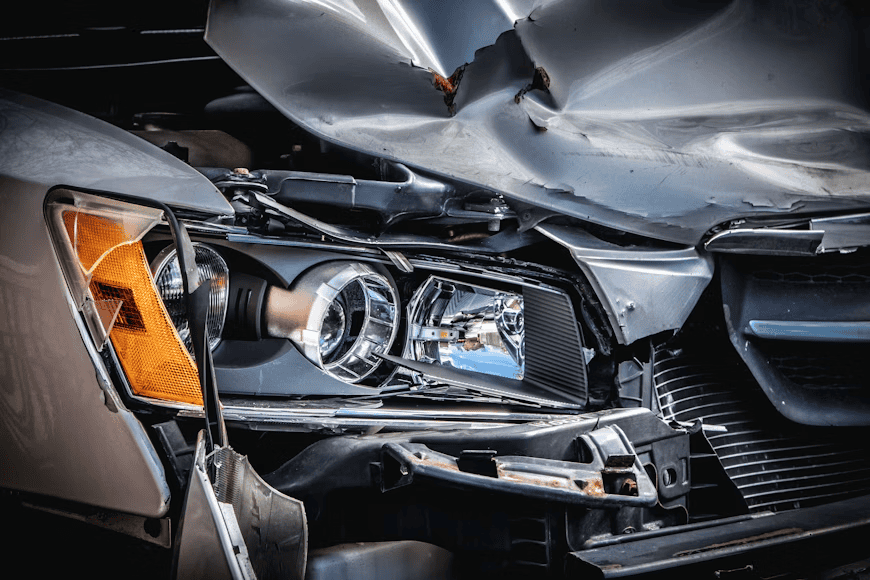
Being struck by a car is one of the most traumatic experiences a human can endure.
The body goes into shock. The brain races. And in the midst of all that pandemonium, split-second decisions need to be made. Do you call the cops? Do you decline the ambulance? What do you say to the driver?
The problem?
The brain isn’t wired to do the right things at moments like these. The decisions made in the hours AFTER an accident can either safeguard your case… or silently destroy it.
Here’s what’s covered:
- What Cognitive Overload Actually Is After an Accident
- Why Pedestrian Accidents Hit Harder Mentally
- The 6x Decisions Most People Get Wrong After a Crash
- How to Think Clearly When Your Brain Won’t Cooperate
What Cognitive Overload Actually Is After an Accident
Cognitive overload refers to the state of being overwhelmed by information.
One of the biggest mistakes following an accident is that your brain receives massive amounts of information all at once:
- Physical pain
- Adrenaline
- Fear
- Strangers asking questions
- Phones ringing
Your brain physically cannot handle it. So instead, it tries to trick you. Your brain will choose the simplest choice available to you, not the right one.
The quickest solution in the present time will almost always be the wrong decision for your health and your case.
One doctor wrote that following a crash information processing slows and even simple choices can seem like a huge task. Your brain networks have been disrupted. This isn’t weakness. It’s neurology.
That’s why having someone in your corner matters. Knowledgeable personal injury lawyers in Little Rock, AR who handle pedestrian accident cases on a daily basis will take the pressure off and make the decisions that a stressed out brain shouldn’t have to make. A pedestrian accident attorney will be your guide through it all.
Why Pedestrian Accidents Hit Harder Mentally
Pedestrian crashes are different than regular car accidents.
Why? Because there’s no steel cage between you and the road. No airbag. No seatbelt. Just a person and a 4,000-pound piece of metal. So, when something happens, the physical force and emotional impact are much greater.
The numbers back this up…
Every 74 minutes, another pedestrian death occurred in traffic crashes in the United States in 2024. 7,080 pedestrians were killed and more than 71,000 more were injured.
If you live through a wreck like that, your brain understands just how close you came. It doesn’t forget when the ambulance drives away.
Here’s what makes it worse:
- You’re often alone (no passengers to help)
- You may not have a phone or wallet on you
- You’re outside, on the ground, exposed
- Witnesses are scattered and may walk off
So you’re already at a disadvantage compared to someone in a car accident.
The 6x Decisions Most People Get Wrong After a Crash
Below are the most common mistakes that overloaded brains make after a pedestrian accident.
1. Telling the Driver “I’m Fine”
Everyone says this cliché. Adrenaline dulls pain. You feel “fine” — therefore you say it.
Two days later you can’t move your neck. Now the driver has a witness stating you said you were okay.
2. Refusing Medical Attention
A lot of pedestrian victims wave off the ambulance. They want to go home.
Don’t try this. Even slight trauma can lead to cognitive dysfunction that may be delayed for hours or days.
3. Not Getting a Police Report
If you don’t file a police report, it’s your word against the other driver’s word. Police reports note what they see at the scene and interview witnesses. They also create an insurance company-approved paper trail.
4. Talking to the Insurance Company Too Soon
The insurance company will call. Sometimes within hours.
They are trained to ask leading questions that box you into a story before you know what happened. A foggy brain will provide answers you’ll regret.
5. Posting on Social Media
A simple post that says “doing okay, thanks for the prayers” can be screenshotted and used against you to show your injuries weren’t so serious.
6. Trying to Handle the Case Alone
Insurance companies have attorneys, claims adjusters, and whole departments designed to pay you the least amount possible. You have… a phone and a headache. Doesn’t add up.
How to Think Clearly When Your Brain Won’t Cooperate
Cognitive overload doesn’t just disappear because you want it to.
However, there are some workarounds — and ways to keep yourself safe in the meantime. Here’s how:
Slow Everything Down
You are under no obligation to answer questions immediately. Inform the driver, the insurance adjuster, and any other person requesting a statement that you would like time. Keep your mouth shut.
Write Everything Down (Or Voice Memo It)
As soon as possible, pull out your cell phone and video record your recollection of events. Memories are faulty after a crash.
This includes:
- What direction you were walking
- What the driver was doing
- Weather and lighting conditions
- Who stopped to help
- What was said at the scene
Get Medical Records From Day One
See a doctor even if you “feel fine”. Get evaluated. Cognitive symptoms can manifest weeks later and you want documentation of when things started.
Research from the CDC revealed that the U.S. has a higher pedestrian death rate than any other high-income country.
Get a Lawyer Involved Early
This is the biggest one.
A pedestrian accident lawyer works while your mind heals. They make the phone calls, do the paperwork, negotiate and develop strategy. You rest and recover.
The earlier they’re involved, the more they can protect.
Final Thoughts
Fight-or-flight responses after an accident are common. They’re normal. It doesn’t mean you’re weak, or that you’re “not taking this well.” Your brain is simply reacting to trauma. This happens to the majority of pedestrians struck by cars.
The good news?
You don’t have to navigate the worst moments of your life with sound decision-making skills. There are systems, experts, and strategies designed for times like these. Take advantage.
A quick recap of what to remember:
- Don’t say “I’m fine” — even if you think you are
- Get medical attention every single time
- Make sure a police report gets filed
- Stay off social media until things settle
- Don’t talk to insurance companies without representation
- Get a pedestrian accident attorney involved early
The actions you take in the first 24-48 hours following a pedestrian accident dictate everything that happens next. Free your stressed mind and let a professional handle the load while you focus on recovery.