

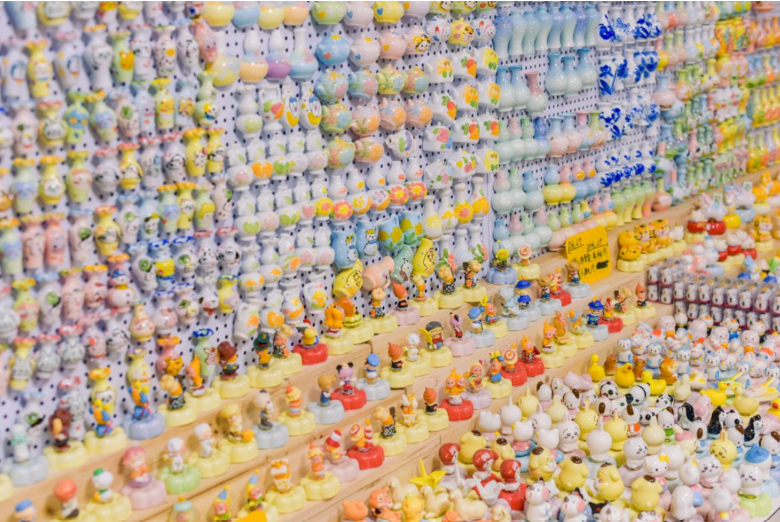
A vinyl figure on a shelf or a graded comic in a display case might look like a simple purchase to an outsider.
But for the person who owns it, that item often represents something far more layered — a memory, an identity marker, or a connection to a moment in time that shaped who they are. Pop culture collectibles occupy a space between hobby and autobiography.
Understanding why they feel so personal helps explain why millions of people invest time, money, and emotion into building their collections.
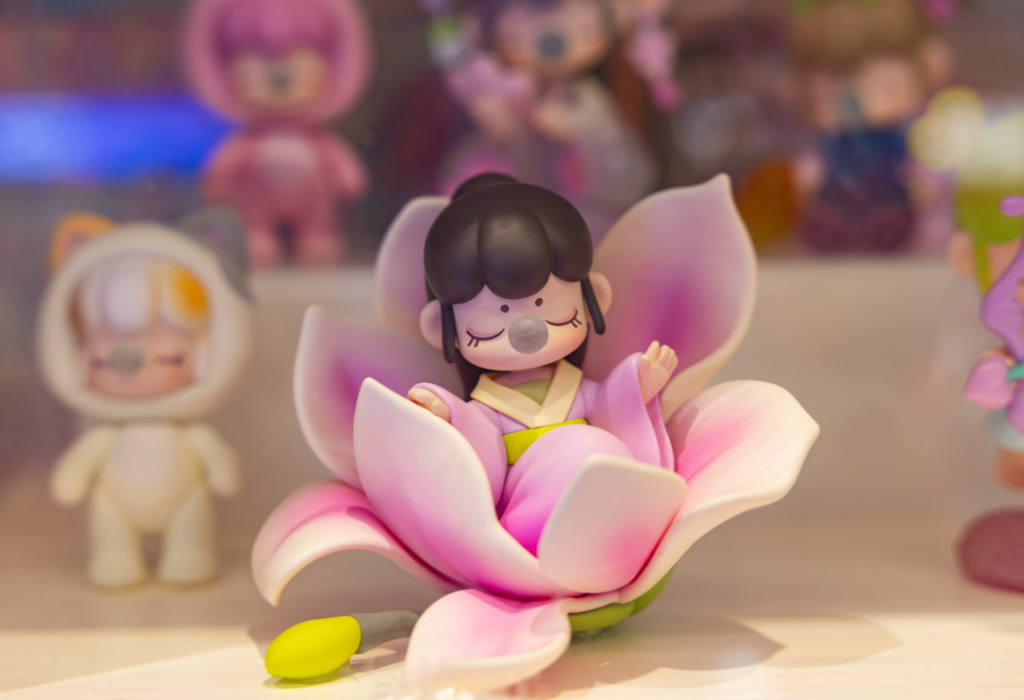
Connecting to Childhood Memories
One of the strongest forces behind collecting is the pull of nostalgia. A toy from a cartoon you watched before school, a game cartridge you played through summer break, or a comic you read under the covers with a flashlight — these items are tied to specific periods of life that hold emotional weight.
When a collector tracks down one of these objects, the purchase is less about owning a product and more about recovering a feeling.
Whether it’s a vintage lunchbox, a sealed VHS tape, or something like The Sheep Detectives collectibles from Toynk tied to a show that shaped your early sense of humor, the item becomes a physical stand-in for a time that can’t be revisited otherwise.
That emotional link is what separates a collectible from a commodity, and it’s the reason two identical items can hold different value depending on who’s buying.
Expressing Identity Through Fandom
Collections often serve as outward expressions of who someone is. The franchises, characters, and genres a person gravitates toward say something about their values, sense of humor, and cultural touchpoints.
A shelf full of horror memorabilia tells a different story than one lined with vintage Star Wars figures, even though both qualify as pop culture collections.
This extends to how collectors interact with each other. Shared fandoms create shortcuts to connection — two strangers at a convention who collect the same niche category can skip small talk and move straight into meaningful conversation.
The items themselves become a kind of social currency, helping people signal belonging within specific communities.
Preserving Cultural Moments
Collectibles do more than reflect personal history. They also capture broader cultural moments.
A movie poster from a film that defined a generation, a limited-edition figure tied to a franchise’s peak popularity, or a sealed game from the early days of a console — each of these items marks a specific point in the cultural timeline.
Collectors who understand this tend to value context as much as condition. They want to know the story behind the item: when it was released, what was happening in the wider culture, and why it mattered at the time.
This kind of context gives a collectible depth beyond its market price, and it’s part of what makes owning it feel personal rather than transactional.
Building Something Over Time
There is also something meaningful about the act of collecting itself. Unlike a single purchase, a collection is built over months and years. Each addition represents a decision, a hunt, or a lucky find.
Over time, the collection becomes a record of the collector’s evolving taste, growing knowledge, and personal history within the hobby.
This process creates a sense of ownership that goes beyond having things. Collectors develop expertise in grading, authentication, and market patterns.
They learn to assess condition, verify provenance, and spot fakes. These skills turn collecting into something closer to a practice — one that rewards patience, attention, and ongoing learning.
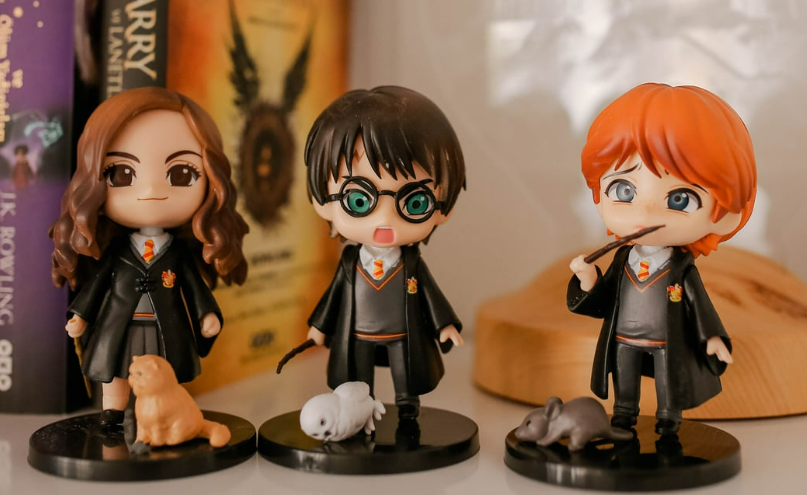
Finding Community Through Shared Interests
Collecting is often framed as a solo activity, but it rarely stays that way. Forums, conventions, social media groups, and local meetups all create spaces where collectors share knowledge, trade items, and compare finds.
These communities add a social dimension that makes the hobby more sustainable and more personal.
Within these groups, collectors gain access to information that improves their decision-making: which platforms offer fair prices, which sellers are trustworthy, and which items are likely to hold value.
The relationships formed through these communities often outlast any individual item in a collection.
Final Note
Pop culture collectibles feel personal because they sit at the intersection of memory, identity, culture, and community.
They are not just objects — they are reference points for the experiences and connections that shape a person’s life.
That’s why a figure still in its original packaging can mean more to one person than its price tag would ever suggest.