

It usually starts with something ordinary. You bend down to tie a shoe, twist to grab a bag off the back seat, or simply wake up one morning, and suddenly there’s a sharp pain running down your leg or arm that won’t quit. Then an MRI confirms it: a herniated disc. For most people in NYC juggling work, commutes, and family, the first question isn’t medical at all.
It’s practical. Am I going to need surgery for this? The honest answer is that most people won’t, but some genuinely will, and knowing the difference early can save you months of second-guessing. Here’s how spine specialists actually make that call.
First Things First: Confirming What’s Really Going On
Back or neck pain has plenty of look-alike causes, from muscle strains to arthritis to spinal stenosis, so no good treatment plan starts with guesswork. A spine specialist will begin with a physical exam, checking your posture, range of motion, reflexes, and strength, and then order imaging such as an X-ray, MRI, or CT scan when it’s needed to pinpoint which disc is involved and which nerve it’s pressing on. This step matters more than people realize.
The right diagnosis is what separates a treatment plan built for your spine from a one-size-fits-all routine that wastes weeks.
Why Non-Surgical Treatment Comes First for Most People
Here’s the number that should lower your blood pressure. According to the National Library of Medicine, about 90% of symptomatic herniated discs resolve after roughly six weeks of conservative management. Your body actually reabsorbs much of the leaked disc material over time, which is why specialists almost never jump straight to the operating room.
Depending on how severe your symptoms are, a non-surgical plan typically moves through stages:
• Rest and activity changes for minor herniations, with stretching and anti-inflammatory medication to ease pain
• Physical therapy to rebuild the muscles that support your spine and take daily pressure off the injured disc
• Pain management options, such as epidural steroid injections or therapeutic ultrasound, when pain is too intense for therapy to do its work
Each stage buys your body time to heal on its own. If you’re improving, even slowly, that’s usually a green light to stay the course.
The Red Flags That Put Surgery on the Table
So when does the conversation change? If you’re exploring herniated disc treatment in NYC, the specialists at New York Spine Institute follow this same principle, reserving surgical procedures for the most severe cases after conservative options have had a fair chance. Across the field, surgeons generally consider operating when:
• Six or more weeks of dedicated non-surgical treatment hasn’t moved the needle on your pain
• You’re developing muscle weakness, like a foot that drags or a hand that keeps dropping things
• Numbness or tingling is spreading rather than fading
• Pain is severe enough that work, sleep, and normal life are slipping away despite treatment
One scenario skips the waiting entirely. If you suddenly lose bladder or bowel control, or feel numbness in your groin or inner thighs, that’s a medical emergency called cauda equina syndrome. Go to an emergency room right away, because prompt surgery is the only way to protect those nerves from permanent damage.
What Modern Disc Surgery Actually Involves
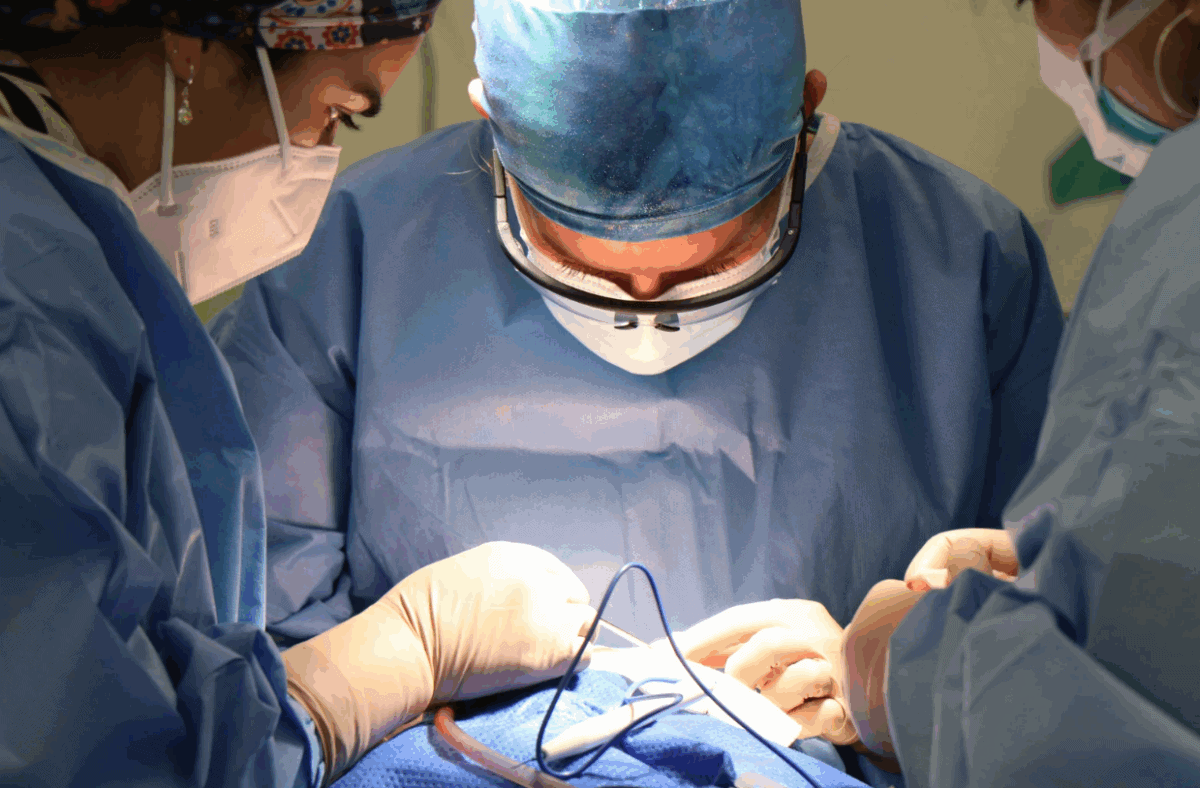
If surgery does become the right call, today’s procedures are far less daunting than the ones your parents’ generation feared. For a lumbar herniation, the most common option is a microdiscectomy, a minimally invasive procedure that removes only the small fragment of disc pressing on the nerve through an incision often under an inch long. Many patients head home the same day and feel the leg pain lift almost immediately.
For herniated discs in the neck, surgeons may remove the damaged disc and fuse the vertebrae, or use an artificial cervical disc replacement that preserves natural motion. Which approach fits you depends on the disc’s location, your imaging, and your overall health, which is exactly why the diagnostic work at the start matters so much.
Making the Decision With Confidence
Outside of emergencies, choosing surgery for a herniated disc is rarely a race. It’s a quality-of-life decision you get to make with your doctor, weighing how much pain is costing you against what a procedure can realistically deliver. Two things make that decision easier. The first is continuity, meaning care where your exam, imaging, physical therapy, pain management, and surgical consultation all talk to each other instead of living in separate offices scattered across the city.
The second is a second opinion. If you’ve been told you need an operation and something feels rushed, asking another spine specialist to review your case is normal, and any good practice welcomes it.
Conclusion
A herniated disc diagnosis is a detour, not a destination. Roughly nine out of ten people recover with rest, therapy, and targeted pain management, while surgery stands ready for the cases where weakness is progressing, pain won’t break, or an emergency demands immediate action.
Wherever you fall on that spectrum, the path forward starts the same way: get properly diagnosed, give conservative care a real chance, and keep an open, honest dialogue with a spine specialist you trust. Your back has a better chance of healing than you probably think, and if it needs more help than time can give, modern surgery is smaller, safer, and smoother than ever.