

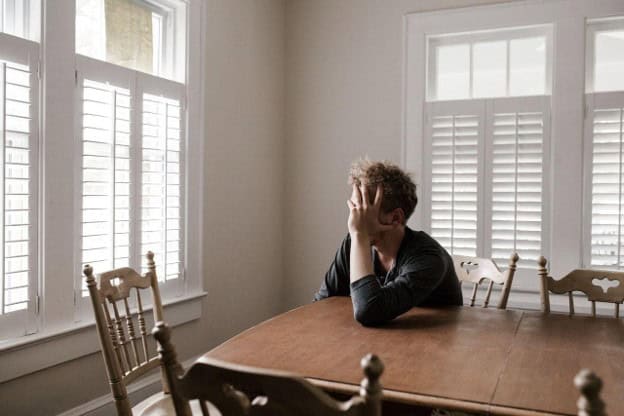
Alt: Person sitting alone at a table
Avoiding stress can feel comforting. Then, avoidance becomes your routine. You may scroll, game, sleep, binge-watch shows, or shut yourself away when life feels too heavy. These habits can give you quick relief, but they can also push important parts of life aside. Unhealthy escapism is a concern when it starts affecting your work, relationships, health, or daily responsibilities. The key is noticing when a simple break turns into something you rely on to avoid what needs your attention.
What Is Escapism?
Escapism means turning your focus away from stress, difficult feelings, or problems for a while. You might scroll to escape stress, watch shows, play games, sleep, read, or lose yourself in a hobby. These activities are not harmful on their own. In fact, a short break can help you reset.
The problem begins when escape becomes your main form of avoidance coping. Instead of helping you return to daily life, it keeps you from dealing with what causes the stress. The relief may feel helpful in the moment, but the original problem often remains.
Alt: Stressed worker sitting at a desk
Caption: Escapism can make you fall behind on daily responsibilities.
What Are the Signs of Unhealthy Escapism?
The difference between taking a break and avoiding life often shows in your daily routine. Excessive escapism may be a concern when:
- You keep putting off responsibilities. Work, school, chores, or important decisions may pile up because escaping feels easier. This can make daily life harder to manage.
- You use escape to avoid difficult feelings. You may turn to scrolling, gaming, sleeping, or entertainment whenever stress, sadness, anger, or fear appears.
- You let your daily routine slip. Sleep, meals, exercise, self-care, or other healthy habits may get pushed aside.
- You pull away from other people. You may cancel plans, avoid conversations, or spend more time alone so you can keep escaping.
- You find it hard to stop. A short break may turn into hours, even when you planned to stop much sooner.
- You use substances to escape. Alcohol or drugs may become a way to disconnect from stress or emotional pain. This can affect your health, work, relationships, and responsibilities.
What Can You Do When Escapism Is Affecting Daily Life?
Once escapism starts affecting your routine, the goal is not to remove every activity you enjoy. Instead, focus on what you are avoiding and build healthier ways to respond.
A few steps can help. You can:
- Identify what you are trying to avoid
- Build healthier ways to cope
- Set limits and rebuild your routine
- Stay connected with other people
Alt: Person thinking while looking upward.
Caption: Identifying negative thought patterns can help you reduce unhealthy escapism.
Identify What You Are Trying to Avoid
Pay attention to what happens before you feel the urge to escape. Stress, conflict, loneliness, fear, or pressure may trigger it. Your negative thought patterns can also make certain situations feel harder to face. Identifying the trigger can help you respond to the actual problem instead of avoiding it. Try noticing patterns across several days. You may find that the urge appears at certain times, after specific conversations, or when particular responsibilities feel overwhelming. Writing these moments down can make those patterns easier to see.
Build Healthier Ways to Cope
Replace some escape time with actions that help you deal with stress directly. Exercise, journaling, relaxation techniques, therapy, or talking with someone you trust can all help. If you find this difficult or do not know where to start, professional support fromLake Point Recovery & Wellness can help you build healthier ways to cope. The goal is to reduce unhealthy escapism and make daily life easier to manage. You do not need to change every habit at once. Choose one coping method that feels realistic and use it consistently when stress appears.
Set Limits and Rebuild Your Routine
Create clear limits around activities such as gaming, scrolling, streaming, or sleeping. Then make room again for meals, exercise, work, sleep, and other daily needs. Building a healthy daily routine can also help you manage stress and stay focused on what matters. For example, you can decide when an activity will end before you start it or finish one important task first. Clear boundaries make it easier to enjoy downtime without letting it take over the rest of your day.
Stay Connected With Other People
Isolation can make avoidance easier to continue. Regular contact with friends, family, or other people you trust can help you stay involved in daily life. Connecting with others can boost your mental well-being and give you support when stress feels harder to manage. You do not need to discuss every problem each time you connect with someone. Even sharing a meal, taking a walk, or having a short conversation can help you stay engaged instead of withdrawing further.
Alt: A therapist discussing unhealthy escapism with a person
Caption: Professional support develop healthier ways to manage stress.
When Is It Time to Get More Support?
You do not need to wait until daily life feels completely unmanageable. Professional help may be useful when escapism keeps affecting your work, relationships, sleep, self-care, or responsibilities. It may also help if you cannot control how much time you spend escaping or if alcohol or drug use becomes more frequent.
Pay attention to how often the pattern repeats and whether it is becoming harder to interrupt. You may also notice that the activities you once used for relief no longer help as much as they did before. Increased isolation, missed obligations, or growing emotional distress can also signal that more support may be useful.
If you are unsure whether it is time to ask for help, look at how much these habits affect your quality of life. Professional support can give you new ways to deal with stress, difficult emotions, and behaviors that have become hard to change on your own.
Choose Healthier Ways to Cope
Taking a break from stress is normal. The concern comes when escape starts replacing responsibilities, relationships, healthy routines, or other ways of coping. Unhealthy escapism can be easy to miss at first because the relief feels helpful in the moment. However, paying attention to how these habits affect daily life can help you act sooner. Small changes and the right support can make it easier to face stress without relying on escape.