

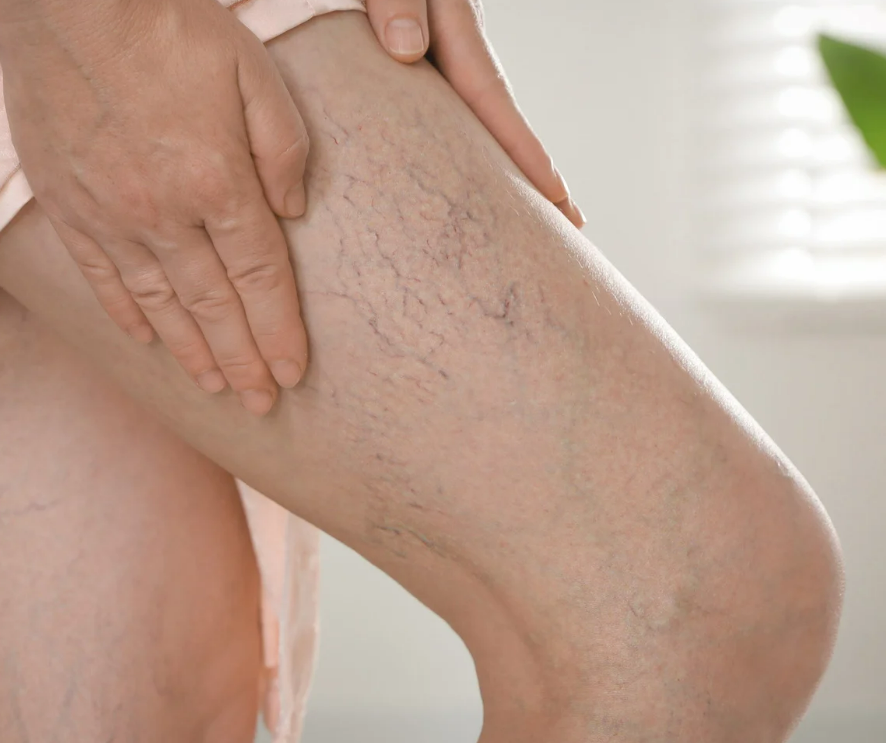
Visible leg veins once led many patients to surgical stripping, which removed damaged vessels through several incisions. Modern procedures use ultrasound-guided catheters, medical adhesive, or injections to close unhealthy veins from inside the vessel. Blood then moves through healthier pathways. These treatments usually require less time than traditional surgery, and patients often walk soon afterward. Understanding the process helps patients prepare for evaluation, recovery, and long-term symptom control.
How Modern Treatment Closes Faulty Veins
Patients with aching legs, swelling, itching, or bulging veins can receive treatment without a hospital stay. A vein specialist uses ultrasound to locate faulty valves and select the safest access point. People seeking minimally invasive vein treatment in El Paso receive care that replaces large incisions with small needle or catheter entry sites. The treated vein closes, and blood reroutes through healthier vessels. Most patients walk soon afterward and follow straightforward activity instructions at home.
Varicose veins develop when valves inside the veins stop directing blood upward. Blood collects in the legs, increasing pressure within the vessel. Treatment targets the damaged vein instead of removing every visible branch.
Endovenous Ablation
Endovenous laser treatment and radiofrequency ablation use a thin catheter placed inside the affected vein. Heat travels through the catheter and seals the vein walls. Ultrasound guides placement and confirms that the catheter reaches the intended section.
The closed vein remains in the body as inactive tissue. Nearby healthy veins carry the blood instead. A provider usually applies local anesthesia around the access site, so the patient stays awake during treatment.
Medical Adhesive
Medical adhesive treatment closes a vein without heat. A catheter delivers a small amount of adhesive at selected points, and gentle pressure seals the vessel. This method reduces the need for several anesthetic injections along the treatment path.
The access site usually needs only a small bandage. Providers use ultrasound before and during the procedure to map the vein and confirm accurate delivery.
Sclerotherapy
Sclerotherapy treats smaller varicose veins and spider veins with an injected solution. The solution irritates the vessel lining, causing the vein to collapse and fade over time. A provider chooses the concentration and injection method according to the vein’s size and location.
Foam sclerotherapy treats certain larger surface veins. Ultrasound guidance directs the injection when the treated vessel lies below the skin.
What Recovery Usually Involves
Most minimally invasive vein procedures take place in an outpatient setting. Patients typically leave after a short observation period and resume walking the same day. Walking supports circulation and reduces the risk of blood pooling after treatment.
A provider may recommend compression garments for a limited period. These garments apply pressure to the treated area and support normal blood flow during early healing. Instructions vary by procedure and the patient’s medical history.
Patients often return to desk work quickly, although strenuous exercise and heavy lifting usually wait until the provider approves them. Bruising, tenderness, or tightness can occur near the treated vein. These effects usually improve as the area heals.
How Providers Confirm the Right Treatment
A consultation begins with a medical history and physical examination. The provider asks about pain, swelling, skin changes, previous clots, medications, and earlier vein procedures. This information separates cosmetic concerns from symptoms that require medical attention.
Duplex ultrasound shows how blood moves through the veins. It identifies reflux, measures affected vessels, and reveals whether deeper veins remain open. The results guide treatment selection and help the provider avoid treating the wrong vessel.
Treatment plans also account for pregnancy, blood-thinning medication, mobility limits, and other health conditions. Patients should provide a complete medication list and report any history of blood clots before treatment.
When Leg Veins Need Medical Evaluation
Visible veins require evaluation when they cause pain, swelling, heaviness, itching, or skin discoloration. Persistent symptoms can indicate venous reflux, which lets blood flow backward and increases pressure in the legs.
Thin, dark, or irritated skin needs medical attention. Open sores near the ankle require prompt assessment because poor venous circulation can delay healing.
Sudden leg swelling, warmth, redness, or severe pain requires urgent medical care. Those symptoms can signal a blood clot rather than routine varicose veins. A qualified provider can determine whether outpatient vein treatment is appropriate.
Conclusion
Modern vein care closes unhealthy vessels through small access points, controlled heat, adhesive, or injections. Patients usually walk soon after treatment and return to normal routines with limited downtime. The right procedure depends on ultrasound findings, symptoms, vein size, and medical history. Anyone with persistent leg discomfort, swelling, skin changes, or enlarging veins should schedule a vein evaluation instead of treating appearance alone. Early assessment can identify reflux before symptoms disrupt daily activity.