

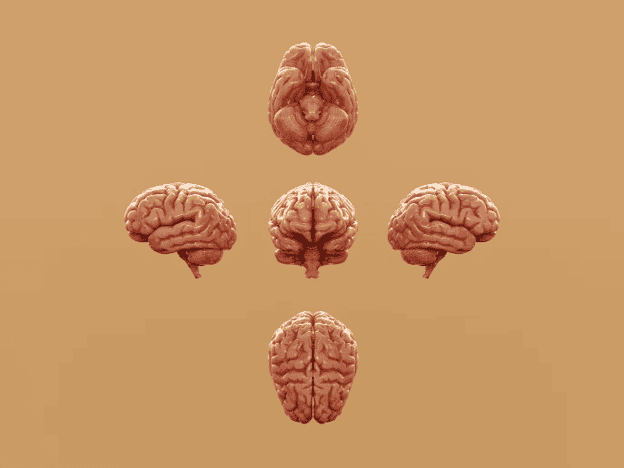
Information about the way our brain processes data could give us important information regarding such functions as attention, memory, decision-making and many others. In case when people have problems with concentration, learning, memorizing the information, organizing their tasks and activities, specialists apply various methods of cognitive testing to understand the situation.
The neuropsychological assessment is a process through which a person’s cognitive skills are analyzed by using different tests. The evaluation is not just focused on one particular problem; it can involve looking into various aspects of the cognitive function of an individual.
What Is a Neuropsychological Assessment?
Neuropsychological tests are formulated to assess cognitive abilities and can assist in diagnosing any changes that occur due to neurological disease, developmental issues, or anything else that affects cognitive function.
Depending on the aim of the test, different aspects can be assessed such as attention, memory, executive function, and impulsivity.
However, the scores are not just about whether a person has the correct response or not. Performance can be analyzed based on different factors to help professionals learn more about the manner in which an individual processes certain cognitive functions.
This is especially helpful for situations where normal daily problems cannot be explained through observation.
What Areas Can Cognitive Testing Examine?
Various test batteries are devised to measure various cognitive functions. While some tests measure single functions, other tests combine multiple tests to give a more complete profile.
The areas measured include:
- Sustained and selective attention
- Impulsivity and inhibition
- Working and visuospatial memory
- Planning and cognitive flexibility
- Processing speed
- Motor behavior and learning capacity
Currently, Nesplora offers tests that measure attention, ADHD functions, executive functions, and memory, among others.
Why Does the Testing Environment Matter?
Conventional methods of assessing cognition can occur in very controlled environments. Although this is useful for standardisation, the behavior of an individual in a quiet room might not mirror what occurs in normal day-to-day activities.
Virtual reality is a tool that has gained popularity for use in neuropsychological assessment because of this. It allows one to assess behavior in a familiar yet controlled environment.
The Nesplora software makes use of virtual reality to create realistic scenarios within the assessment process. The goal of this software company is to enhance ecological validity through assessment of cognitive functioning in realistic environments.
How Virtual Reality Can Add Context
Consider the difficulty of assessing the capacity for attention without taking into account the distractions that happen in an environment not in a clinical setup. The individual may act differently when he or she must react to stimuli, concentrate, and filter irrelevant information from the external surroundings.
VR enables the measurement of some variables in an artificially created environment. In line with the test performed, this may involve reaction time, precision, physical actions, or working memory.
It is not merely for the sake of having fun while carrying out the assessment. It provides extra information about how cognitive skills function in an environment that shares similarities with daily life situations.
Assessments for Different Age Groups
Since cognitive abilities and assessment requirements differ at each stage of life, there is no single test that can solve all problems.
The Nesplora range of assessments includes tests for children, adolescents, adults, and older people. Such tests as Attention Kids Aula are suitable for the age from 6 to 16 years, while Aquarium is developed for adult individuals between 16 and 90 years old. Assessment of executive functions is aimed at 8 to 80-year-old people, whereas the Memory Suite test is suitable for those aged 12 to 90.
What Happens After the Test?
The actual assessment is just the first step of the process. Interpretation of the results is important since cognitive performance must be understood in context.
Nesplora assessments include comparisons of individual performance against norms and communicate their results in structured reports with tables and charts. The firm says that many of its assessments provide immediate results through automation.
The professional can take all this into account as part of assessing someone’s cognitive profile.
Why Objective Measurements Are Useful
Human observation is important; however, it is subject to the context in which the evaluation was performed. Automated tests will aid in ensuring uniformity in recording responses and variables.
The method used by Nesplora employs quantitative measures obtained during immersive activities. The published information about it contains measures that concern, for example, attention, impulsiveness, memory, executive functions, and motor activity.
Such data may provide additional information for professionals.
The Importance of Professional Interpretation
A neuropsychological test cannot be considered a complete solution to all kinds of cognitive or behavioral problems. The findings from the test have to be analyzed properly by trained experts who understand how to take the person’s past and present circumstances into consideration.
It is the analysis that will make the assessment useful and informative for all concerned.
Final Thoughts
Neuropsychological evaluation is an organized method of exploring such cognitive capacities as having an impact on the everyday existence of a person. Attention, memory, executive functioning, and impulse regulation are rather complicated processes, and their problems may affect studying, working, socializing, and routine activities.
Using virtual reality makes it possible for professionals to carry out evaluation of cognitive functioning in rather realistic but still controlled conditions. Used together with correct professional interpretation, cognitive measures become an important part of forming the picture of how the process of cognition works in a certain individual.