

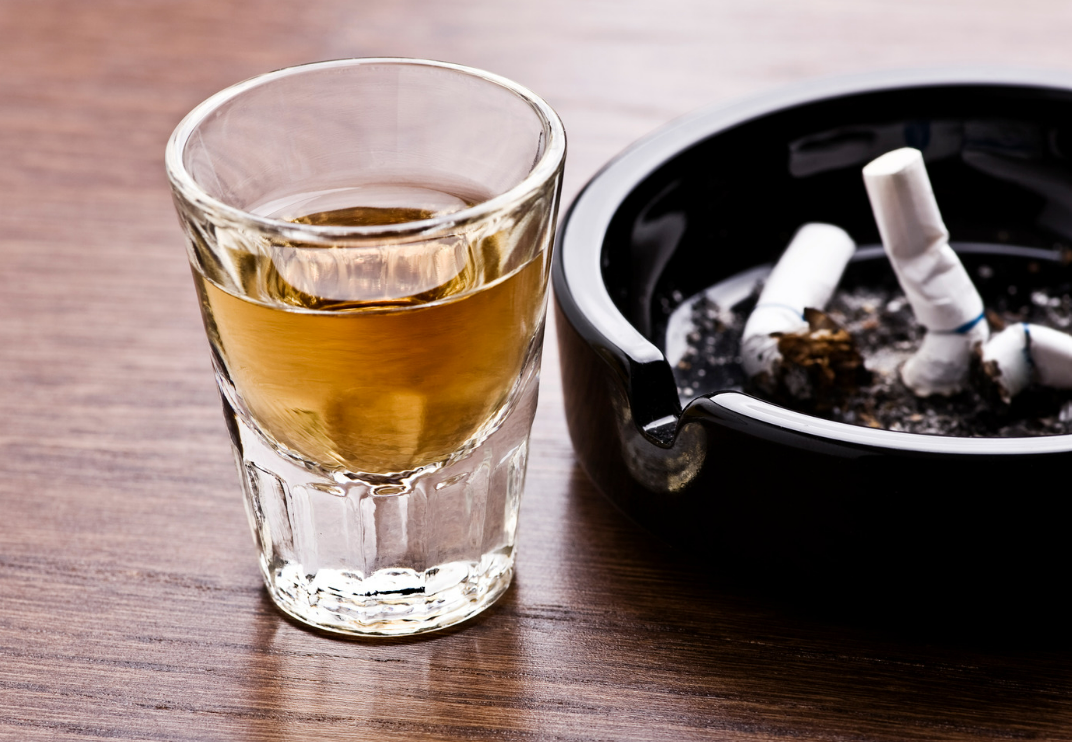
After a long, demanding day, reaching for a drink can feel like a well-earned reward. You have dealt with deadlines, responsibilities and everyday pressures, so the thought of sitting down with a glass of wine or a few beers may seem like the perfect way to switch off.
The problem is that this habit can gradually become automatic. What begins as an occasional way to unwind can turn into a nightly routine, making it increasingly difficult to relax without alcohol. Breaking the ‘I deserve a drink’ habit is not about denying yourself relaxation; it is about finding healthier ways to reward yourself and manage stress.
Understand Why You Want a Drink
The first step is recognising what is actually driving the urge to drink. Are you physically craving alcohol, or are you looking for relief from stress, frustration, boredom or exhaustion?
Alcohol can provide temporary feelings of relaxation, which can reinforce the association between drinking and feeling better. Over time, your brain may begin to anticipate a drink whenever you experience a stressful day.
Identifying the trigger gives you an opportunity to interrupt the pattern before reaching for alcohol becomes automatic.
Create a New After-Work Ritual
Habits are often linked to specific routines. If you usually pour a drink as soon as you arrive home, changing what happens during those first few minutes can make a difference.
Try replacing your usual drinking ritual with something that signals the end of the working day. You could change into comfortable clothes, take a shower, go for a short walk, prepare a favourite meal or make a cup of tea.
The aim is not simply to distract yourself, but to create a new association between finishing work and relaxing.
Find Other Ways to Switch Off
If alcohol has become your main method of unwinding, it can be useful to build a list of alternative activities. Exercise, reading, listening to music, cooking, gaming or watching a favourite programme can all provide a sense of relaxation.
You could also try breathing exercises or mindfulness if stress is particularly intense. Even ten minutes spent doing something calming can help you transition from work mode into your personal time.
Change the Meaning of ‘I Deserve a Drink’
The phrase ‘I deserve a drink’ can make alcohol feel like a reward for getting through a difficult day. Try changing the reward instead.
Ask yourself what you genuinely deserve after a stressful day. Perhaps it is a good meal, an early night, time with your family, a relaxing bath or an hour doing something you enjoy.
You are not taking away your reward, you are choosing one that does not potentially create additional problems.
Make Drinking Less Convenient
Small environmental changes can also help. If alcohol is readily available at home, it can be much easier to act on an impulse.
Consider buying less alcohol or keeping it somewhere that is not immediately accessible. Having appealing alcohol-free alternatives available can also make it easier to choose something else when the urge appears.
Learn to Ride Out the Craving
Cravings can feel powerful, but they usually change in intensity rather than remaining at their peak indefinitely. Instead of immediately acting on the urge, give yourself some time.
Drink some water, have something to eat, take a walk or occupy yourself with another activity. You may find that the urge becomes easier to manage once you have had time to pause.
Know When to Seek Support
If you regularly drink to cope with stress or find that you cannot control how much you drink, it may be more than a simple habit. Alcohol dependence can develop gradually, and professional support can make changing your relationship with alcohol much easier.
A GP, counsellor or private rehabs UK, EU or worldwide can provide advice tailored to your circumstances. If you drink heavily or regularly, seek medical advice before suddenly stopping, as withdrawal can sometimes be dangerous.
Building a Healthier Reward System
Breaking the ‘I deserve a drink’ habit takes time, particularly if it has become part of your daily routine. The goal is not to eliminate relaxation from your life, but to discover ways of achieving it without depending on alcohol.
By identifying your triggers, developing new rituals and finding healthier rewards, you can gradually change the way you respond to stressful days and discover that you deserve to feel better tomorrow, too.