

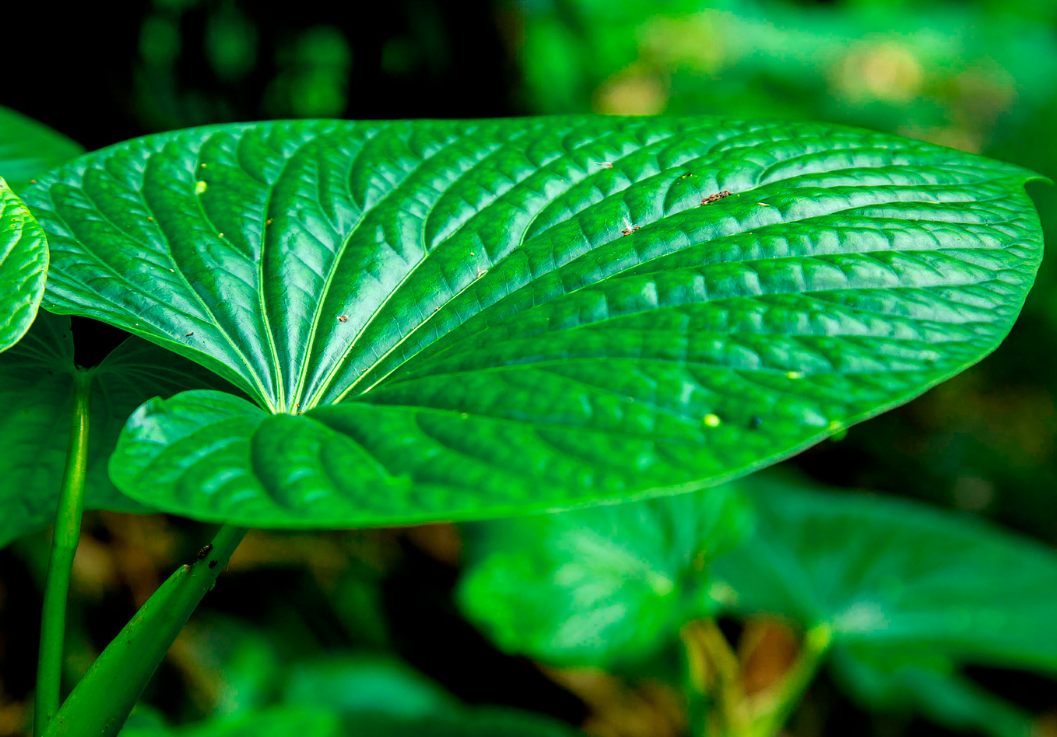
Tending plants is one of the simplest ways to slow down after a busy day. The quiet routine of watering, checking leaves and noticing small changes gives the mind a gentle task to focus on. But the experience only feels calming when the tools work with you. A hose that drags, a nozzle that floods delicate seedlings or a hanging basket you cannot reach can turn a relaxing habit into a chore. That is why many gardeners ask which is the best watering wand for everyday plant care in 2026.
This guide looks at why low-effort watering supports a calmer garden routine, what features matter in a watering wand, and how to match a wand to flower beds, hanging baskets and hard-to-reach plants. It is written for home gardeners who want healthier plants without the strain.
Why Gentle Plant Care Supports Everyday Wellbeing
Psychologists often describe small, repeatable routines as a useful anchor for mood. Gardening fits that description well. Watering is predictable, it has a clear beginning and end, and the results are visible within days as leaves perk up and flowers open. Many people also find that time spent outdoors, even in a small yard or on a balcony, creates a natural break from screens and notifications.
Horticultural therapy programmes use plant care for similar reasons: caring for something living can encourage attention, patience and a sense of purpose. You do not need a large garden to benefit. A few pots, a flower bed or a row of hanging baskets is enough to build a steady habit, provided the habit stays comfortable and does not leave you frustrated or sore.
Why Your Watering Tool Matters More Than You Think
The tool in your hand shapes how the whole routine feels. A basic hose nozzle forces you to bend, stretch and hold awkward positions, which makes watering feel like work. A fixed spray can also hit foliage too hard, splash soil out of containers or soak one spot while missing another.
A watering wand solves many of these problems. Its extended handle lets you reach plants without bending or stepping into the bed, and the head is designed to deliver water softly at the roots rather than blasting the leaves. For gardeners with sore backs, limited mobility or simply a long list of plants, that extra reach makes a real difference to how often and how willingly they water.
What Makes the Best Watering Wand?
There is no single perfect model for every garden, but a few features separate a dependable wand from a frustrating one. When comparing options, look closely at the following points. For a deeper walk-through of the buying criteria, the guide on how to choose the best watering wand covers the practical details in one place.
- Length and reach: longer handles help with hanging baskets and tall borders, while shorter ones suit patios and window boxes.
- Flow control: a thumb or trigger valve lets you pause the water without walking back to the tap.
- Spray pattern: a soft, rain-like head protects seedlings and delicate blooms, and a more focused setting helps with established shrubs.
- Weight and grip: a light, balanced body with a comfortable handle reduces fatigue during longer sessions.
- Build quality: solid fittings and a leak-free connection save water and avoid mid-task annoyances.
- Weather resistance: materials that cope with sun, frost and regular use last through more than one season.
Matching a Wand to Flower Beds and Borders
Flower beds benefit most from a soft, wide spray that spreads water across the soil surface. Aim the head at the base of the plants instead of over the petals, because wet flowers can bruise and damp foliage in the evening can encourage fungal problems.
A medium-length wand lets you stand on the path and reach into the middle of a border without trampling neighbouring plants. Moving slowly and counting a few seconds per plant helps the water soak in rather than run off, especially on dry or compacted soil.
Watering Hanging Baskets and Hard-to-Reach Plants
Hanging baskets dry out faster than most containers because they are exposed to wind and sun on every side. Reaching them with a ladder or a stretched arm is awkward and, over time, discouraging. A longer wand with a bent or angled head lets you water from the ground, directing the flow into the basket instead of over the rim.
The same advantage applies to plants behind fences, tall pots on shelves and crowded corners of a flower bed. Because you are not straining, you are far more likely to water consistently, and consistent watering is one of the biggest factors in healthy container plants.
Simple Watering Habits That Keep Plants Healthy
Even the right equipment works best with a few sensible habits. Water in the early morning when temperatures are cooler, so moisture reaches the roots before the heat of the day. Check the soil with a finger rather than following a strict schedule; if the top inch or so is dry, it is usually time to water.
- Water deeply and less often, so roots grow downward instead of staying near the surface.
- Aim at the soil, not the leaves, to reduce disease risk and wasted water.
- Add mulch around beds to slow evaporation and keep the soil evenly moist.
- Group thirsty plants together so each trip with the wand is efficient.
- Adjust for weather: pots may need water daily in a heatwave and far less during cool, damp spells.
Building a Calm Garden Routine Around Watering
Because watering happens regularly, it can become a built-in pause in your day. Try pairing it with something enjoyable, such as a cup of tea before work or a short walk through the garden each evening. Use the time to notice new buds, check for pests and simply breathe.
If you find your mind racing, focus on one sensory detail at a time: the sound of the water, the smell of damp soil or the colour of the leaves. This kind of gentle attention is a simple mindfulness practice that needs no special training, and a comfortable, well-chosen tool makes it easier to stay present rather than distracted by aching arms or tangled hoses.
Common Mistakes to Avoid When Choosing and Using a Watering Wand
Buying on price alone is the most common error. A very cheap wand can leak at the connector, crack in cold weather or deliver an uneven spray, which costs more in the long run. Another mistake is choosing a wand that is too long for a small patio or too short for tall baskets, so think about where you will use it most.
- Using full pressure on young seedlings, which can wash out soil and damage stems.
- Watering foliage late in the day, which leaves leaves damp overnight.
- Leaving the hose pressurised in freezing weather, which can split fittings.
- Ignoring the spray settings and using one pattern for every plant.
Conclusion
The best watering wand is the one that makes regular plant care easier for your garden, your body and your routine. Look for comfortable reach, adjustable flow, a gentle spray and durable fittings, then match the length to your flower beds, hanging baskets and hard-to-reach corners. When watering feels effortless, it becomes a calm daily ritual instead of a chore, and the plants, and your own sense of wellbeing, tend to benefit as a result.