


Learning how to reduce anxiety is one of the most important steps toward emotional control and lasting recovery. At the same time, understanding how to avoid relapsing is essential for anyone navigating recovery from substance use.
Anxiety and relapse are closely connected, and when left unmanaged, stress can quietly build into overwhelming pressure. The good news is that anxiety can be controlled in the moment, and relapse can often be prevented with awareness, preparation, and consistent effort.
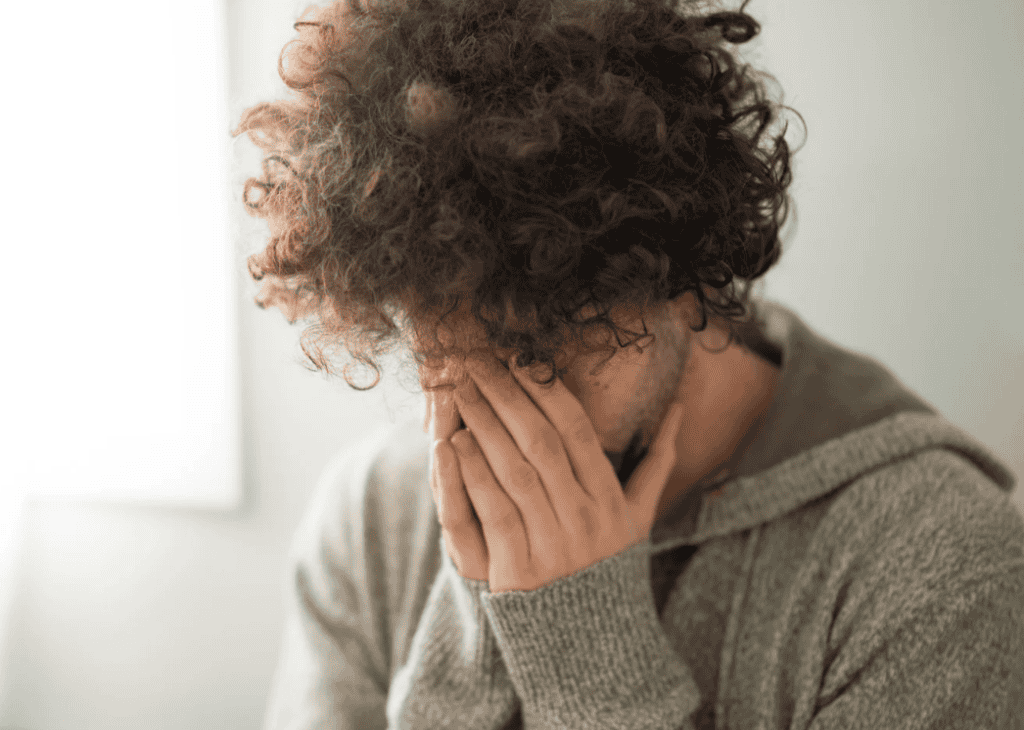
Understanding Anxiety: A Natural but Manageable Response
Anxiety is a normal human emotion. In small amounts, it keeps us alert and focused. It prepares the body to respond to challenges. However, when anxiety becomes frequent or intense, it begins to interfere with everyday life.
Common physical signs include:
- Sweaty palms
- Rapid heartbeat
- Tightness in the chest
- Restlessness
- Trouble concentrating
Recognizing these symptoms early makes it easier to apply techniques that help reduce anxiety before it escalates.
7 Effective Ways to Reduce Anxiety in the Moment
1. Focus Your Mind Through Mindfulness
Mindfulness shifts your attention from racing thoughts to the present moment.
Engage Your Senses
Pay attention to what you see, hear, smell, taste, and feel. Focus on each sense individually. This grounding exercise interrupts anxious thought patterns and brings your mind back to the present.
Visualize a Relaxing Place
Picture yourself on a beach, in a forest, or anywhere that makes you feel safe and calm. Adding small details strengthens the calming effect.
Use Calming Scents
Aromatherapy, such as lavender or chamomile, may help activate soothing responses in the brain.
2. Practice Deep Belly Breathing
Instead of shallow chest breathing, place your hand on your stomach and breathe deeply into your belly. Slow, controlled breathing sends a signal to your nervous system that you are safe.
3. Move Your Body
Physical activity releases built-up tension. Even a short walk can reset your mood and lower stress levels.
4. Challenge Anxious Thoughts
Ask yourself:
- Is this fear realistic?
- What evidence supports this thought?
- What would I tell a friend in this situation?
Reframing thoughts is a powerful tool when learning how to reduce anxiety effectively.
5. Establish a Stable Routine
Consistency reduces uncertainty. Regular sleep, balanced meals, and structured daily activities help prevent emotional spikes.
6. Limit Stimulants
Caffeine and lack of sleep can intensify anxiety symptoms. Monitoring intake can significantly improve emotional balance.
7. Stay Connected
Isolation increases anxiety. Talking openly with someone you trust reduces emotional pressure and provides perspective.
The Connection Between Anxiety and Relapse
For individuals in recovery, unmanaged anxiety is one of the most common relapse triggers. When stress becomes overwhelming, the temptation to return to old coping mechanisms can increase.
Recovery is not just about stopping substance use. It unfolds in stages:
- Abstinence
- Repair
- Growth
The growth stage can take several years, requiring patience and dedication. Understanding this long-term process helps individuals avoid relapsing during challenging moments.
The Three Stages of Relapse
Relapse is not a single event. It develops gradually.
Emotional Relapse
This is the earliest stage. You are not thinking about using, but warning signs appear:
- Bottled-up emotions
- Increased anxiety or anger
- Isolation
- Poor sleep or eating habits
Recognizing emotional relapse early provides the opportunity to intervene.
Mental Relapse
Internal conflict begins. You may:
- Romanticize past use
- Downplay negative consequences
- Think about old environments
- Bargain with yourself
At this stage, immediate action is necessary to avoid relapsing.
Physical Relapse
This occurs when substance use resumes. Often it begins with “just once” but can quickly lead back to regular use.
Understanding these stages allows you to act before reaching the final step.
Common Triggers That Increase Relapse Risk
Triggers vary from person to person, but common ones include:
Emotional Triggers
- Stress
- Loneliness
- Anger
- Boredom
Environmental Triggers
- Places where you used substances
- Objects associated with use
- Individuals who enable past behaviors
Situational Triggers
- Relationship problems
- Financial pressure
- Major life changes
Identifying personal triggers is critical if you want to avoid relapsing successfully.

Practical Strategies to Avoid Relapsing
Create a Personalized Prevention Plan
Write down:
- Your triggers
- Early warning signs
- Healthy coping mechanisms
- Support contacts
Preparation transforms uncertainty into confidence.
Manage Anxiety Consistently
Daily stress management strengthens resilience. The more skilled you become at how to reduce anxiety, the lower your relapse risk becomes.
Build a Strong Support Network
Surround yourself with people who respect your recovery journey. Regular communication reduces isolation and reinforces accountability.
Replace Old Habits with New Goals
Healthy activities fill the space once occupied by harmful behaviors. Consider:
- Exercise routines
- Creative hobbies
- Skill development
- Volunteer work
Building purpose reduces vulnerability.
Monitor Emotional Health
Self-awareness is powerful. Journaling or reflecting regularly helps identify warning signs before they grow.
Daily Habits That Support Long-Term Stability
| Healthy Habit | Anxiety Benefit | Recovery Benefit |
| Deep breathing | Calms the nervous system | Reduces impulsive reactions |
| Exercise | Boosts mood | Decreases cravings |
| Structured routine | Provides predictability | Limits risky situations |
| Social connection | Reduces isolation | Strengthens accountability |
| Mindfulness practice | Increases awareness | Detects relapse warning signs |
Frequently Asked Questions
What is the fastest way to calm anxiety?
Deep belly breathing combined with grounding exercises often provides immediate relief.
Why does anxiety increase relapse risk?
Anxiety creates emotional discomfort, and substances may appear to offer temporary escape. Managing stress lowers this vulnerability.
Is relapse common?
Relapse can happen, but understanding triggers and stages makes prevention far more achievable.
How long does recovery take?
Recovery is a long-term process that progresses through abstinence, repair, and growth.
Can anxiety be fully eliminated?
Anxiety is a natural emotion. The goal is learning how to reduce anxiety effectively, not eliminating it entirely.
Conclusion
Mastering how to reduce anxiety empowers you to handle life’s challenges with clarity and confidence. At the same time, recognizing triggers and implementing structured prevention strategies helps you avoid relapsing even when difficulties arise.
Anxiety may be part of life, and recovery may require ongoing commitment, but with awareness, preparation, and consistent action, lasting emotional stability is absolutely achievable.