

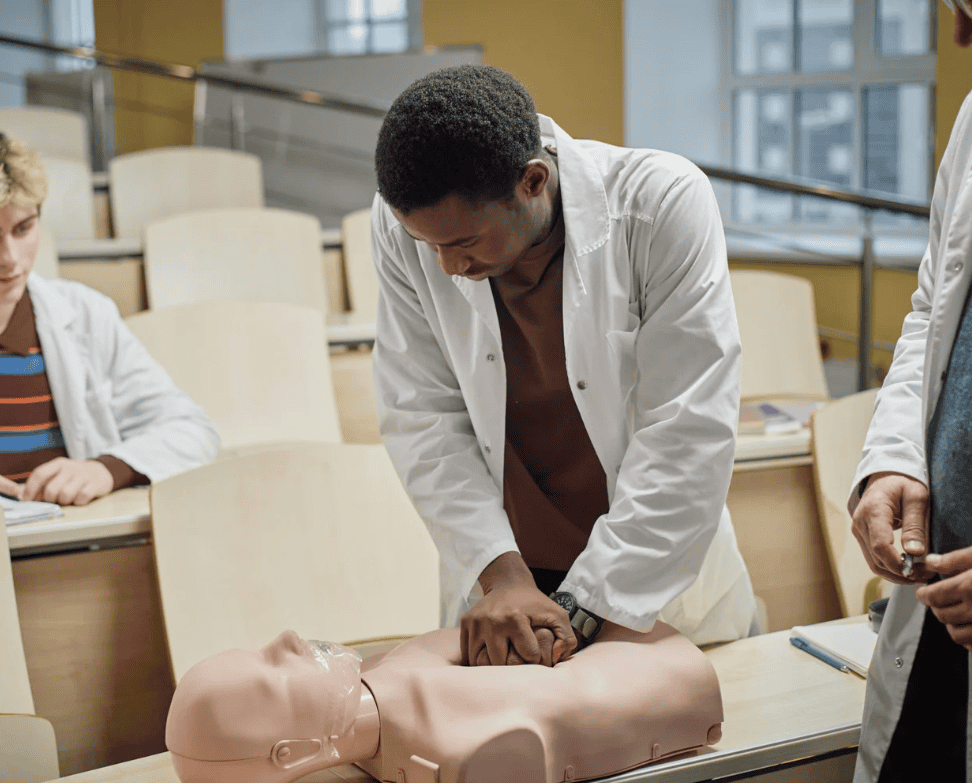
A Basic Life Support course provides healthcare professionals and first responders with the advanced skills required to recognize life-threatening emergencies and deliver high-quality chest compressions.
This specialized training focuses on rapid intervention and effective team dynamics, which are essential for improving patient outcomes during cardiac arrest and respiratory distress in clinical or pre-hospital environments.
What Separates Basic CPR from BLS?
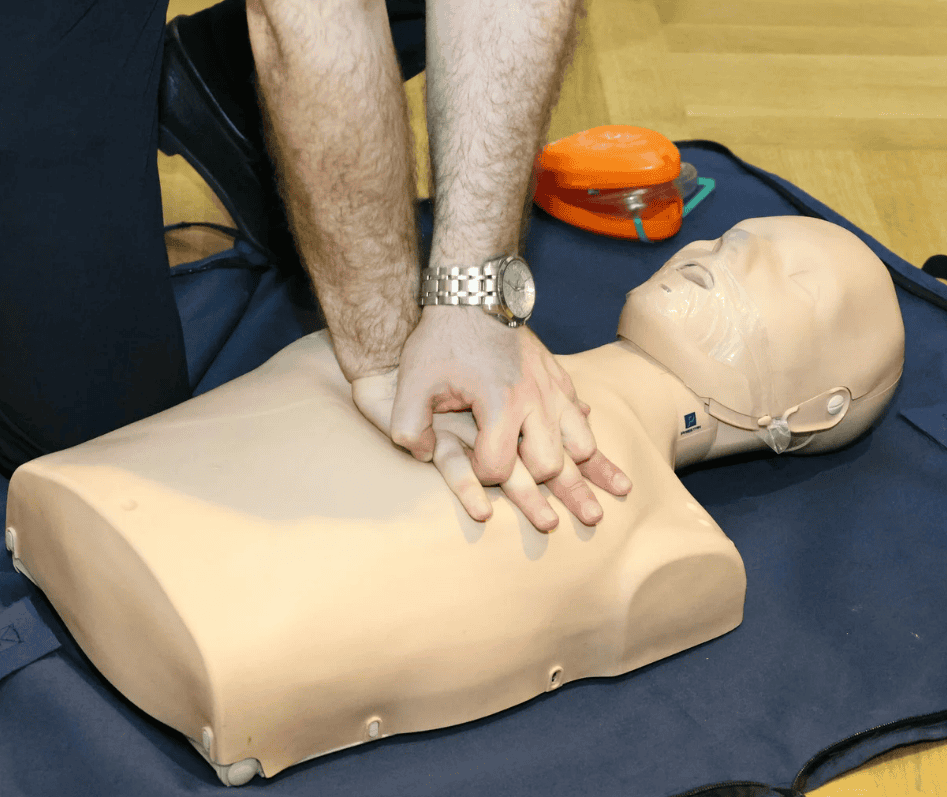
Most people are familiar with the “Level C” CPR taught to the general public, but when you’re working in a clinical setting, the expectations shift. It’s no longer just about keeping someone stable until the ambulance arrives. In a professional environment, you are the response. You need to know how to work as part of a high-performance team.
Taking a Basic Life Support course is about mastering the technical nuances that make a difference in a hospital or clinic. We’re talking about bag-valve-mask (BVM) ventilation, pulse checks, and coordinated multi-rescuer resuscitation. It’s fast-paced, it’s intense, and it’s designed for those who have a duty to act.
Why is Team Dynamics Such a Big Deal?
Have you ever been in a room where everyone is talented, but nobody is leading? It’s chaos. In a cardiac arrest scenario, chaos is the enemy. BLS training places a massive emphasis on “team dynamics.” This means clear communication, knowing your specific role, and understanding when to switch out with a partner to avoid fatigue.
When everyone knows exactly where to stand and what to do, the “hands-off” time—the moments when compressions stop—is minimized. Every second the chest isn’t being pushed, the chances of a positive outcome drop. Professional training ensures those gaps are nearly non-existent.
Can You Learn These Advanced Skills Online?
The short answer is: you can learn the why, but you need the how. That’s where the blended learning model shines. You dive into the complex algorithms and pharmacology basics online, at your own desk. This gives you the mental space to absorb the “Heart & Stroke” or “Red Cross” guidelines without feeling rushed.
However, the real magic happens during the in-class skills session. You can’t learn the “feel” of a bag-valve-mask or the physical toll of high-quality compressions from a video. The hands-on portion is where that theoretical knowledge turns into a reflex.
What Are the Most Common Mistakes in Professional Resuscitation?
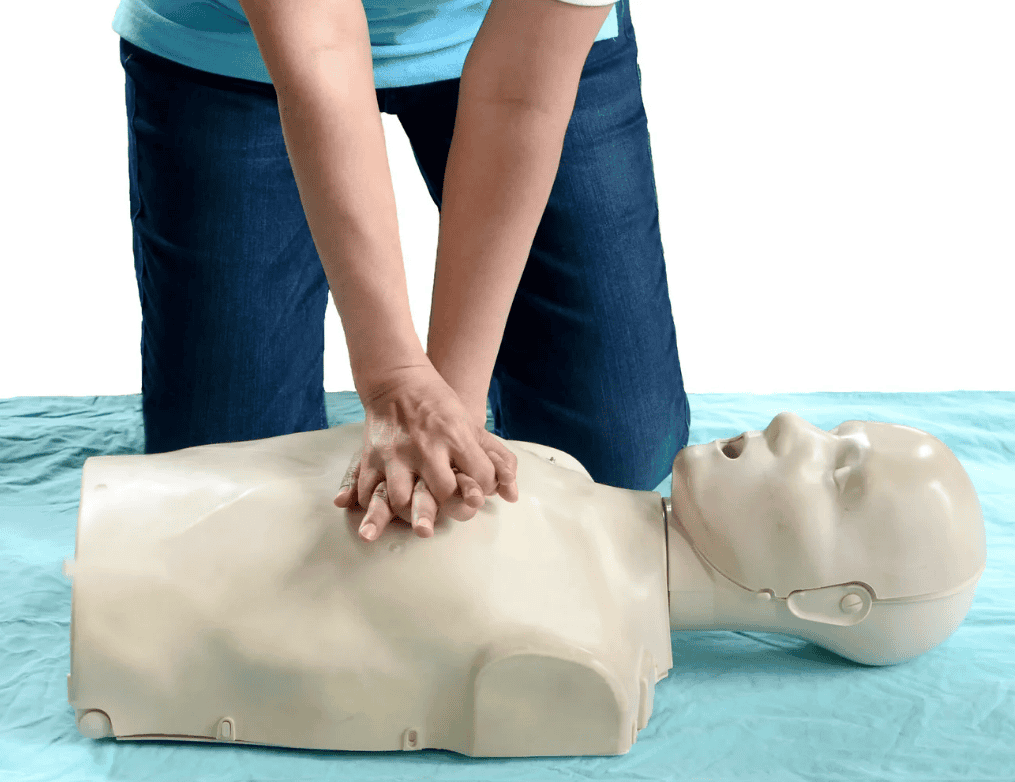
Even pros get rusty. The most frequent errors usually involve:
- Shallow Compressions: Not going deep enough to actually circulate blood to the brain.
- Hyperventilation: Giving too much air, which can actually prevent blood from returning to the heart.
- Slow Transitions: Taking too long to switch rescuers or analyze the rhythm with an AED.
Regular training identifies these “drift” behaviors and corrects them before they happen in a real-world code.
If you are looking for first aid training near the University of Ottawa, Sandy Hill, or other areas close to the Rideau Canal, then you may reach out to Coast2Coast First Aid/CPR – Ottawa in that area. For more info and articles like this visit: https://www.c2cfirstaidaquatics.com/
FAQs
How often do healthcare providers need to renew BLS? In most jurisdictions, BLS certification is required annually for healthcare professionals to stay compliant with workplace and licensing standards.
Is BLS the same as ACLS? No. BLS (Basic Life Support) is the foundation. ACLS (Advanced Cardiovascular Life Support) adds complex interventions like intubation and intravenous medications.
Does a BLS course include AED training? Yes, it covers advanced AED use, including how to integrate the device into a multi-rescuer team flow without interrupting compressions.
Can a non-medical professional take a BLS course? Absolutely. While it’s designed for pros, anyone who wants a more in-depth understanding of resuscitation is welcome to take the training.
What is the “Chain of Survival”? It’s a series of steps—early recognition, early CPR, rapid defibrillation, and advanced care—that together provide the best chance of surviving a cardiac event.