


A meditation chair is designed to support a comfortable, upright posture during meditation, mindfulness, and cross-legged sitting—without the strain that often comes from sitting directly on the floor.
Unlike cushions or benches, an ergonomic meditation chair elevates the hips, supports the spine, and reduces pressure on the knees, hips, and lower back, making longer meditation sessions more accessible for beginners and experienced practitioners alike.
Whether you’re exploring meditation for the first time or upgrading your home practice, understanding how it works—and how it compares to a cushion, bench, or cross-legged chair—can help you choose the right seating for comfort, focus, and long-term well-being.
What a Meditation Chair Is (and Isn’t)
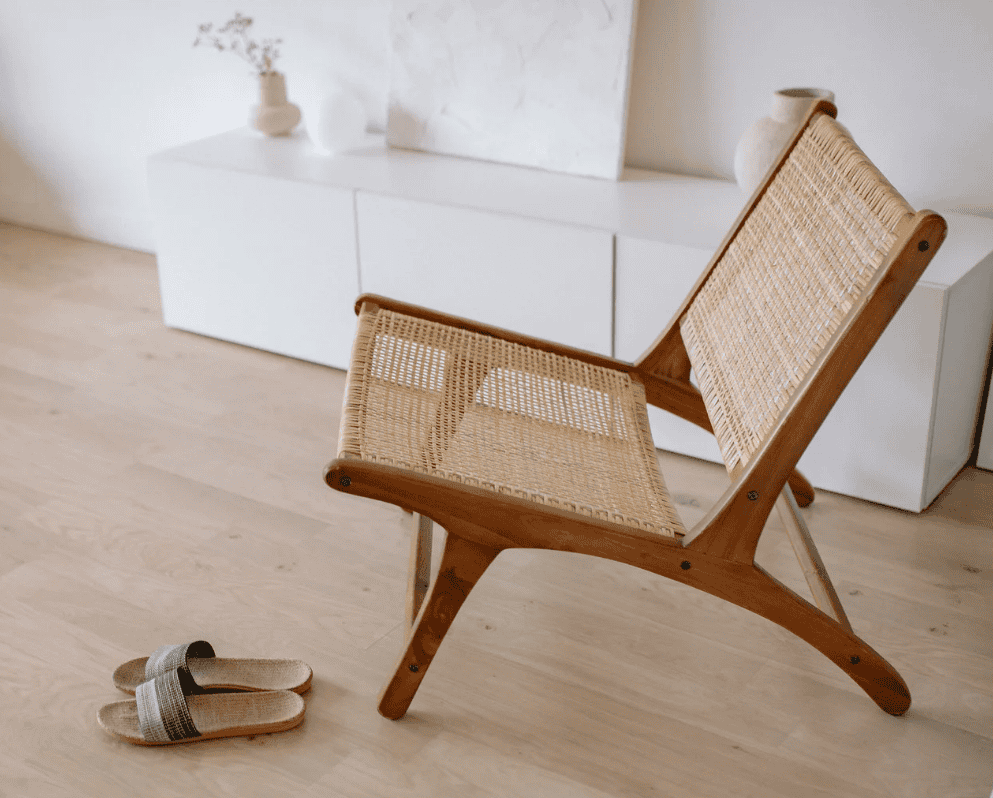
It is a purpose-built seating option designed to support an upright, relaxed posture during meditation, mindfulness, and breathwork. Unlike traditional chairs, it encourages a neutral spine, open hips, and grounded sitting—often in a cross-legged or kneeling position. Many ergonomic meditation chairs gently elevate the hips to reduce strain on the lower back and knees.
This type of chair is not a recliner, office chair, or lounge seat. It is not designed for slouching or passive sitting. Instead, it supports alert stillness—helping the body remain comfortable while the mind stays focused and present.
Meditation Chair vs Meditation Cushion vs Meditation Bench
Meditation cushions, benches, and chairs each serve different bodies and practice styles. A meditation cushion sits directly on the floor and relies heavily on flexibility in the hips, knees, and ankles. While cushions are simple and traditional, they can create pressure points or discomfort during longer sessions.
Meditation benches support a kneeling position, taking weight off the ankles but placing more load on the knees. An ergonomic meditation chair offers the most balanced support by elevating the body off the floor, reducing joint strain, and allowing for cross-legged sitting with proper spinal alignment. For many people, meditation chairs provide the best blend of comfort, stability, and long-term usability.
Physical & Mental Benefits of Using a Meditation Chair
Using one can significantly improve physical comfort and mental focus during meditation. Proper elevation helps align the spine, reduces lower-back fatigue, and eases tension in the hips and knees. This physical support allows practitioners to sit longer in a meditation chair without distraction or discomfort.
Mentally, increased comfort leads to deeper concentration and reduced restlessness. When the body is supported, the mind can settle more easily into meditation. Over time, a consistent seated posture supported by ergonomic meditation seating can help establish a more regular and sustainable mindfulness practice.
Who Should Use a Cross Legged Meditation Chair
Meditation seats are ideal for beginners who may find floor sitting uncomfortable or intimidating. They are also well-suited for people with tight hips, knee sensitivity, lower-back pain, or limited mobility. An ergonomic one makes meditation more accessible without sacrificing posture or intention.
Experienced meditators also benefit from meditation chairs for daily meditation practice, especially for longer sessions. Anyone seeking a supportive, intentional alternative to cushions or benches can benefit from incorporating a meditation chair into their mindfulness routine.

Key Features to Look For
When choosing a meditation chair, ergonomics should be the top priority. Look for a meditation chair design that gently elevates the hips, supports natural spinal alignment, and encourages an open, grounded sitting position. Stability and balance are essential for maintaining stillness during meditation.
Material quality also matters. Solid wood, natural finishes, and durable construction provide long-term support and visual calm. A well-designed premium wood meditation chair should feel intentional, minimal, and supportive—enhancing both comfort and the overall meditation practice environment.
Conclusion: Choosing the Right Meditation Seat for Your Meditation Practice
A meditation seat can be a powerful tool for creating a more comfortable, focused, and sustainable meditation practice and sitting position. By supporting proper posture, reducing physical strain, and encouraging upright stillness, the right meditation chair helps remove distractions that can pull attention away from the present moment.
Whether you’re new to meditation or refining a long-standing practice, choosing a meditation chair that fits your body and sitting style can make a meaningful difference over time.
If you’re ready to elevate your practice, explore our thoughtfully designed meditation chairs that balance ergonomics, craftsmanship, and simplicity. A well-made meditation seat isn’t just a piece of furniture—it’s an invitation to slow down, sit with intention, and return to presence each day.