

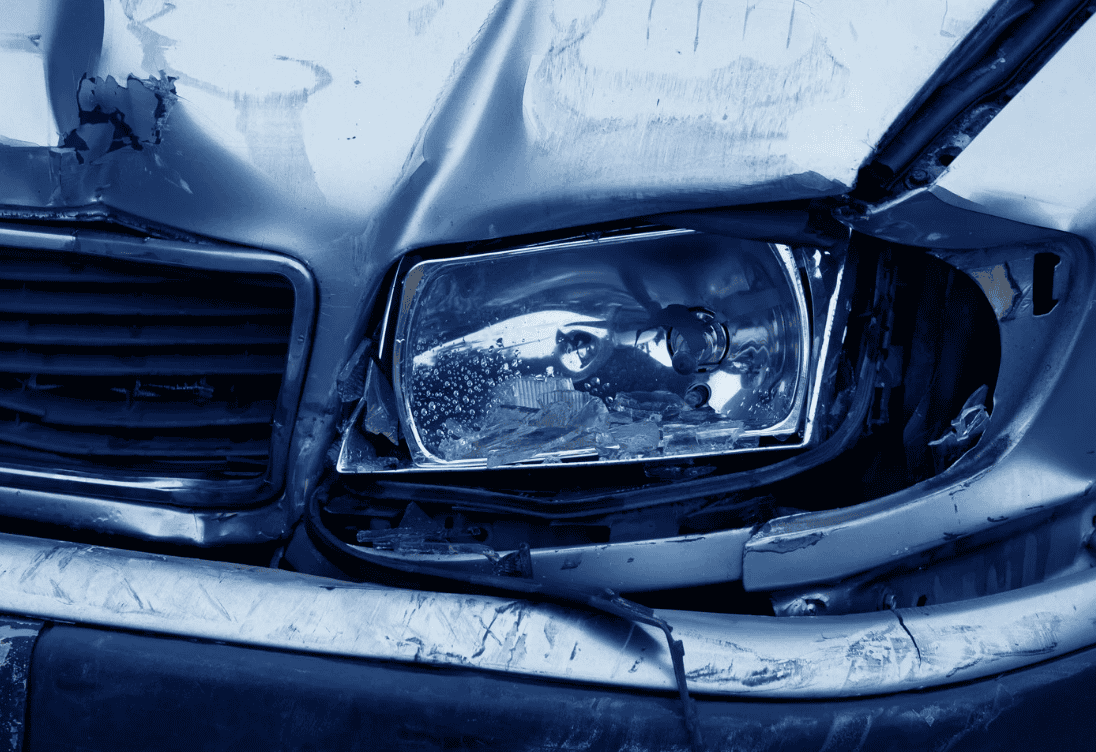
It usually happens on a Tuesday. Or a Thursday. It rarely happens when you are prepared for it. You are driving down I-75, maybe heading into Detroit for a game or just commuting home to Troy. The radio is playing something forgettable. The heater is fighting a losing battle against the February chill. Then the world turns sideways.
Metal screams against metal. Glass shatters. The smell of burnt rubber and radiator fluid fills the cabin.
For a few seconds, there is just silence. Then the chaos rushes back in. Sirens. Honking. The realization that your car is totaled and your neck feels strange. This is the moment your life splits into two distinct timelines: before the accident and the messy, complicated reality of after.
Navigating the roads in the Great Lakes State is a unique skill set involving pothole dodging and blizzard driving, but navigating the aftermath of a wreck here is an entirely different beast. Michigan does not play by the same rules as the rest of the country. We have a system that is supposed to take care of everyone, yet somehow leaves almost everyone confused.

The No-Fault Myth
You have probably heard the term “No-Fault” thrown around since you got your learner’s permit. Most people think it means that when an accident happens, nobody is to blame. It sounds nice. It sounds simple. It is also completely wrong.
No-Fault in Michigan just means that your own auto insurance company is responsible for paying your medical bills and a portion of your lost wages, regardless of who caused the crash. This is your Personal Injury Protection, or PIP. It is designed to get you quick medical attention without waiting for a court battle. But what happens when the bills start piling up, and the insurance adjuster stops calling you back?
The system is filled with deadlines and specific forms that would make a tax accountant weep. If you miss a deadline to file an application for benefits, you might be barred from collecting anything at all. You have one year to file a lawsuit for unpaid no-fault benefits. One year. It goes by faster than you think when you are trying to recover from surgery or relearning how to walk.
There is also the issue of the “Mini-Tort.” This covers the damage to your vehicle not covered by insurance, up to a specific amount. It is a small piece of the puzzle, but it is often the first fight people have. The real battle, however, is usually over the serious stuff. The pain. The suffering. The way your life has shrunk because you can no longer pick up your kids or stand for more than ten minutes without shooting pain.
When the System Fails You
This is where the illusion of “No-Fault” shatters. If your injuries meet a certain threshold—specifically, if you have suffered a “serious impairment of body function”—you can step outside the no-fault system and sue the at-fault driver for damages. This is a third-party claim. It is the only way to get compensation for the pain, the trauma, and the quality of life you lost.
Determining what counts as a serious impairment is a subjective nightmare. Insurance companies will argue that your broken leg healed, so you are fine. They will say your back pain is from getting older, not from the truck that rear-ended you at 60 miles per hour. They have teams of people dedicated to minimizing your payout.
Navigating this threshold is where most people get lost. You need to prove that the injury is objectively manifested. You need to prove it affects your general ability to lead your normal life. It is not something you can easily Google your way through. Often, this is the point where a Michigan personal injury lawyer becomes necessary to help interpret the medical records and match them against the current legal standards. The law changes. Interpretation shifts. What worked in a court case five years ago might not work today.
The Invisible Wreckage
We tend to focus on the broken bones because we can see them. We can sign a contract. We can look at an X-ray and point to the fracture. But the most devastating injuries are often the ones you cannot see.
Traumatic Brain Injuries, or TBIs, are incredibly common in car accidents. The sudden deceleration slams the brain against the skull. You might not lose consciousness. You might just feel a little “foggy” for a few days. But weeks later, you realize you cannot remember names. You get dizzy when you stand up. The lights in the grocery store are too bright.
The medical community is only just beginning to understand the depth of these injuries. Recent neurological imaging advances are finally allowing doctors to visualize the subtle structural changes in the brain and autonomic nervous system that traditional MRIs often miss. These scans can show why a person is suffering from autonomic dysfunction—issues with heart rate, digestion, or temperature control—long after the external wounds have healed.
If you are not looking for these invisible injuries, you will not find them. And if you do not find them, you cannot be compensated for them. An insurance adjuster will look at a clean CT scan and tell you that your headaches are imaginary. You need evidence that digs deeper. You need to understand that the stress of the environment and the trauma itself can fundamentally alter how your brain processes information.
The Comparative Negligence Trap
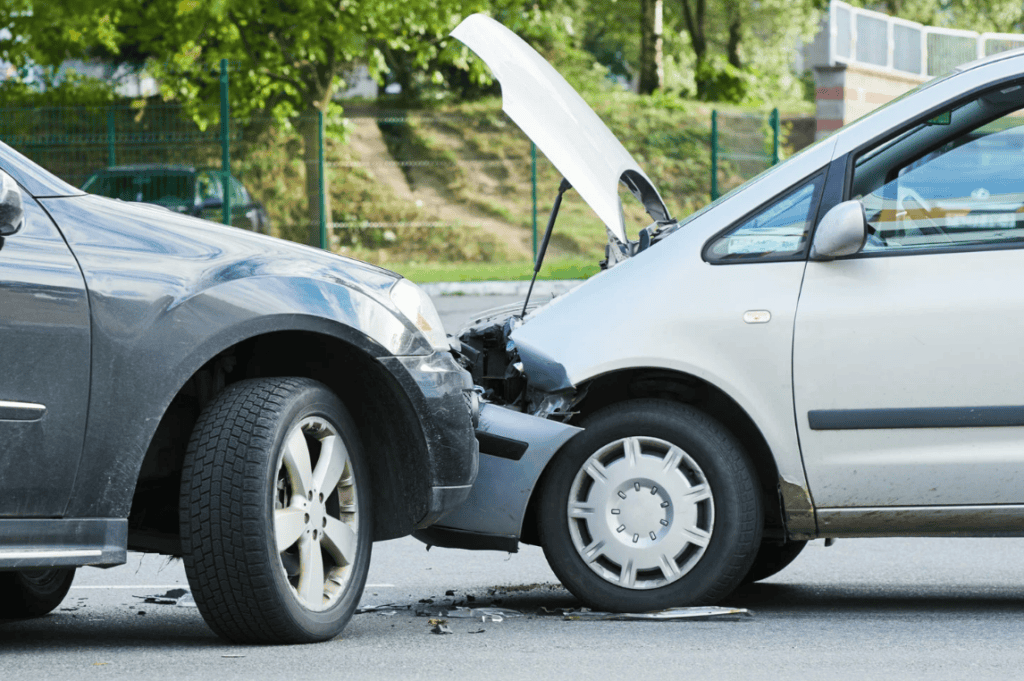
Let’s talk about blame. Even though we are a No-Fault state for medical bills, fault matters immensely for pain and suffering claims. Michigan uses a modified comparative negligence standard. This is a fancy way of saying that your payout depends on how much you were to blame for the accident.
If a jury decides you were 20% at fault—maybe you were going five miles over the speed limit—your total compensation is reduced by 20%. That stings, but it is manageable.
However, if you are found to be more than 50% at fault, you get nothing for your pain and suffering. Zero.
This is why insurance adjusters will call you immediately after the crash, asking for a recorded statement. They are fishing. They want you to say, “I guess I looked down for a second,” or “I might have been tired.” They will take that polite hesitation and turn it into a 51% fault rating. They are not calling to check on your health. They are calling to build a file that saves them money.
The Clock is Ticking
In the aftermath of a crash, time becomes distorted. Days blur into weeks of doctor appointments, physical therapy, and phone calls. But the legal clock is relentless.
For a third-party pain and suffering lawsuit, the statute of limitations in Michigan is generally three years from the date of the accident. That sounds like a luxury. Three years is a long time. But building a case takes time. Witnesses move away. Security camera footage gets deleted after 30 days. Memories fade. The skid marks on the road wash away with the first rain.
Waiting until year two to start taking this seriously is a mistake. By then, the evidence is stale. The insurance company has had two years to build its defense, while you were just trying to survive.
Attendant Care and Replacement Services
There are other benefits hiding in the fine print that many people miss. Did you know that if you need help with basic personal hygiene or safety supervision, your family members can be paid to help you? This is called attendant care. It is a crucial benefit for severe injuries, but the rates and hours have to be negotiated and documented with extreme precision.
Then there are replacement services. If you used to mow the lawn, take out the trash, and clean the house, but now you cannot, No-Fault is supposed to pay someone else to do it. It is capped at a low daily rate, but over months of recovery, that money adds up. It keeps your household running while you are laid up. But again, if you do not submit the right forms with the right doctor’s notes every single month, that money disappears.
The Reality of Recovery
Recovery is not a straight line. It is two steps forward, one step back. It is good days where you think you are back to normal, followed by bad days where the pain is so sharp it takes your breath away.
The goal should always be to get back to who you were before the crash. But sometimes, that person is gone. The “new normal” might involve chronic pain or limitations. The settlement or verdict isn’t a lottery win; it is an attempt to balance the scales for what was taken from you. It is funds for future medical care. It is security for a family that lost a breadwinner.
Driving in Michigan is a necessity. We don’t have the luxury of extensive subway systems. We rely on our cars to get to work, to school, to the lakes in the summer. When that reliance is shattered by a reckless driver, the impact shakes the foundation of your daily life.
Don’t let the confusion of the paperwork bury you. The road is hard enough without having to fight a billion-dollar insurance corporation on the shoulder of the highway. Take pictures. Get names. Go to the doctor. And understand that in this state, being right isn’t enough. You have to be prepared.