

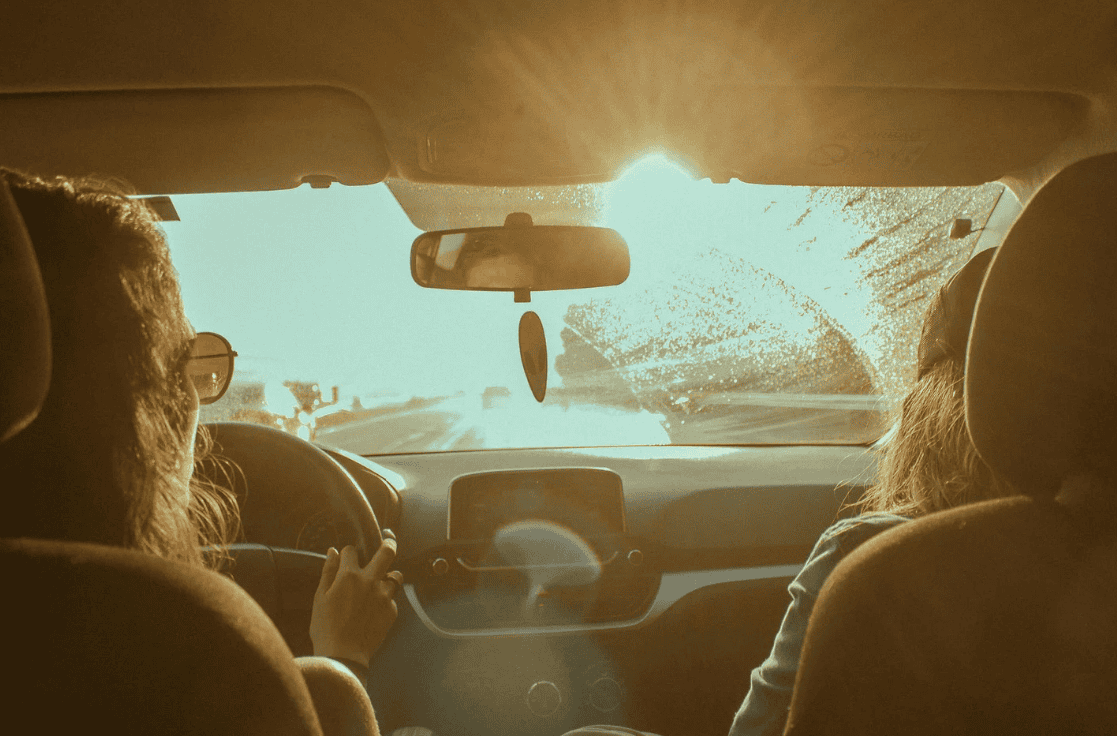
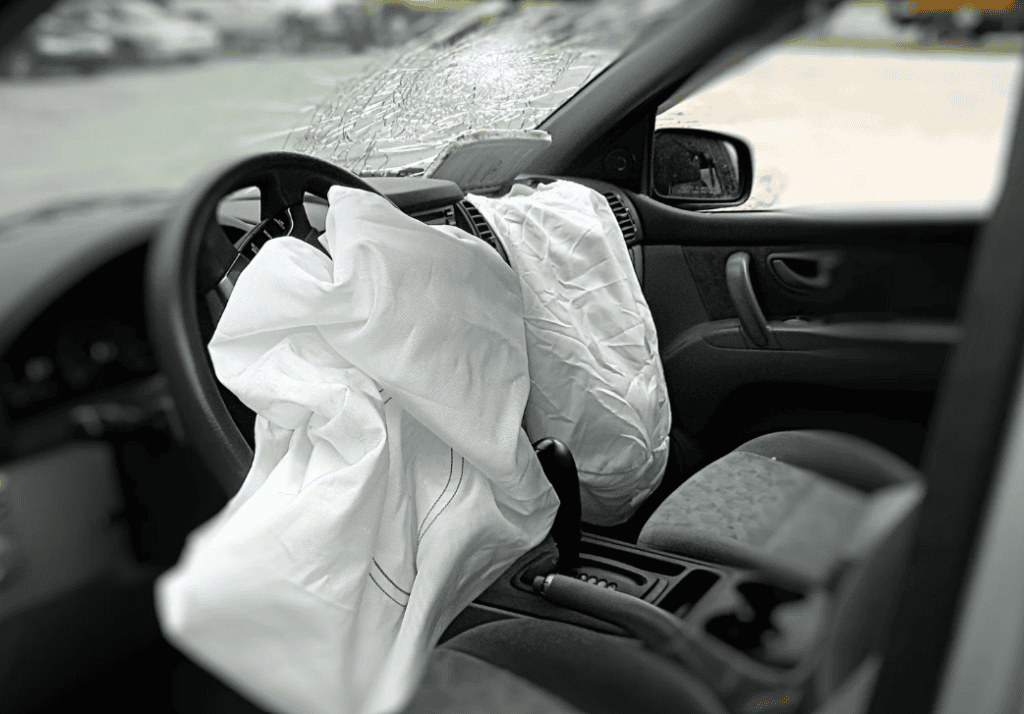
A San Diego car crash has a weird way of shrinking the world. One second, it’s normal life: Coast Highway glare, a quick merge on the 5, maybe a left turn near Balboa Park. Next second, it’s airbags, that burnt smell, and a bunch of strangers staring at crumpled bumpers like it’s an art exhibit nobody asked for.
And then comes the part that surprises people. Not the impact. The aftermath. The admin. The decisions are made while the brain is still running on adrenaline.
So what actually matters in the hours and days after a San Diego car crash? Not the dramatic stuff. The small, practical moves. The ones that don’t feel heroic, but end up being the difference between “handled” and “how did this get so messy?”
The first 48 hours: boring wins
Right after a crash, the body can lie. Pain can hide for a day or two, especially with whiplash, back issues, or anything involving the head. Some people feel “fine” in the moment, then wake up the next morning as if they got hit by a truck. Because… they kind of did.
A few basics tend to hold up, even when everything feels scrambled:
- Get checked out. Even if it feels awkward. Even if it seems minor. A medical visit creates a record, sure, but more importantly, it catches problems early.
- Take photos like a tourist. Wide shots, close-ups, skid marks, intersections, traffic lights, road signs, visible injuries. Yes, it feels excessive. No, it won’t later.
- Keep the crash story consistent. In the chaos, it’s easy to toss out guesses. “Maybe they didn’t see me.” “Maybe it was yellow.” Those little maybes can get repeated back in ways that sound like admissions.
- Start a simple notes file. Symptoms, missed work, doctor visits, sleep issues, headaches, weird numbness, all of it. Not poetic. Just dates and facts.
And here’s a question that sounds paranoid until it isn’t: how long do businesses keep surveillance footage? Sometimes not long. A week. A few days. Sometimes less. If the crash happened near a storefront, a gas station, a parking lot, or an intersection with cameras, time matters.
The “paper trail” phase: when the clock starts ticking
After the initial shock wears off, the real game becomes documentation. Insurance companies are built to process claims, not feelings. They want clean timelines, tidy narratives, and numbers they can plug into a system. Meanwhile, real life is messy. You’re trying to get a rental car. You’re trying to work. Your neck feels like it’s made of rusted springs. The adjuster calls again. And again.
This is often where people realize they’re juggling a lot more than a dented bumper.
You might hear advice like “don’t wait too long.” That’s not just motivational talk. Evidence disappears. Cars get repaired. Phone photos get lost. Witnesses forget. Even medical details get fuzzier with time because the chart starts to look like a normal back-pain complaint instead of a crash injury.
Then there’s the legal calendar. California injury claims have deadlines, and certain cases can have shorter notice requirements when government entities are involved. That can catch people off guard. One minute it’s “take care of your body,” the next minute it’s “why is everyone asking about dates?”
That’s when a San Diego car crash attorney can make the process feel less like trying to assemble IKEA furniture without instructions. Not to add drama, but to keep the claim organized, preserve evidence while it still exists, and stop the constant back-and-forth from eating your entire week.
And no, that doesn’t mean every San Diego car crash becomes a lawsuit. Most don’t. But having someone who understands the pacing, the paperwork, and the common tricks can keep things from quietly drifting off course.
Insurance is not a diary: what gets used, what gets ignored
A lot of people assume insurance is like a friendly customer service system. Sometimes it is. Often it isn’t. Adjusters have a job: resolve claims efficiently and minimize payouts. That doesn’t make them villains. It makes them predictable.
Here’s what tends to affect the value of a claim in a practical way:
- Medical treatment consistency. Gaps in treatment can look like the injury wasn’t serious, even if the gap happened because you couldn’t get an appointment, or you were trying to tough it out.
- Clear diagnosis. “Pain” is real, but “herniated disc confirmed by imaging” reads differently on paper.
- Lost income documentation. Missed work needs proof. Schedules, pay stubs, and employer notes.
- Out-of-pocket costs. Prescriptions, co-pays, mileage to appointments, and medical devices. Small costs add up.
Also, medical billing has its own ecosystem. Hospitals, providers, and insurers may file liens or claim reimbursement from settlement funds. It can feel sneaky if nobody explains it upfront. People get excited about a settlement number, then realize chunks of it are spoken for.
Another little twist: if the at-fault driver has low coverage, the math changes fast. That’s when your own policy details can matter more than anyone expects. Uninsured or underinsured motorist coverage can be the difference between a claim that actually pays medical bills and one that barely touches them. Plenty of drivers carry coverage amounts that look reasonable until you see an ER bill.
Fault gets weird in San Diego, fast
San Diego driving is a mix of commuters, tourists, delivery vans, scooters, rideshares, and drivers who seem personally offended by turn signals. So the fault is not always obvious. Even when it feels obvious.
Some common “messy fault” situations:
- Lane-change crashes on the 805 or 163. Everyone swears they were already in the lane.
- Intersection collisions in Hillcrest or Downtown. Left turns, blocked views, confusing signals.
- Rear-end crashes with “sudden stop” arguments. Insurance loves this one.
- Multi-car pileups. The liability chain becomes a spaghetti bowl.
- Rideshare and delivery drivers. More policies, more parties, more delay.
California uses a comparative fault approach, meaning fault can be split. So if an insurer can pin even a small percentage of blame on you, the payout can shrink. That’s why casual comments at the scene can come back later, and why details like road conditions, lighting, vehicle positions, and witness statements matter more than people think.
Even a “minor” crash can turn into a long-term issue if it triggers chronic pain, migraines, or nerve problems. The body doesn’t always read the crash as minor, even if the bumper does.
And here’s the sneaky part: early settlement offers can show up before you even know what your body is going to do. Accepting money while symptoms are still evolving can feel like relief. But what happens if the pain gets worse two months later? That’s a hard rewind.

The part nobody wants to talk about: your brain after the crash
Physical injuries get the spotlight. But mental aftershocks are common, and they can be confusing.
Some people replay the crash on a loop. Others feel jumpy driving past the same intersection. Some get angry for no clear reason. Sleep gets weird. Driving feels suddenly unsafe, even on familiar streets like Morena Boulevard or Friars Road.
Is that normal? Honestly, yes. The nervous system doesn’t care that the crash is “over.” It cares that something terrifying happened, and it wants to prevent a repeat. Hypervigilance is basically the brain’s overprotective friend who never stops texting.
If this part feels familiar, it can help to read a mental perspective on recovering after a car accident that explains why the emotional side can hit as hard as the physical side. Because sometimes it’s not just about healing tissue. It’s about calming the alarm system.
And it’s not dramatic to say so. It’s practical.
A few gentle, real-world strategies tend to help:
- Name what’s happening. Anxiety after a crash is common. So are intrusive thoughts. Naming it reduces the “what’s wrong with me?” spiral.
- Ease back into driving. Short routes first. Daylight. Familiar streets. Small wins.
- Track triggers. Bridges, freeway merges, honking, and certain intersections. Patterns show up.
- Talk to a professional if symptoms stick. If sleep, mood, focus, or panic gets worse instead of better, that’s worth addressing. No trophies for suffering quietly.
And yes, it can feel strange to seek mental health support after a crash. But why? If physical therapy is normal for a shoulder injury, why wouldn’t nervous system recovery be normal too?
A final reality check, minus the fluff
A crash can turn into a second job. Phone calls, appointments, forms, estimates, follow-ups. It’s exhausting, and that exhaustion can push people into quick decisions.
The smarter approach is slower, even when it’s annoying.
Document early. Treat injuries seriously. Don’t guess on fault. Don’t assume insurance is keeping track of your best interests. And don’t ignore the mental side just because nobody can see it.
Because weeks later, when the dust settles, it’s the quiet steps that make the story make sense. The crash happened in seconds. The recovery and the claim live in the details.