

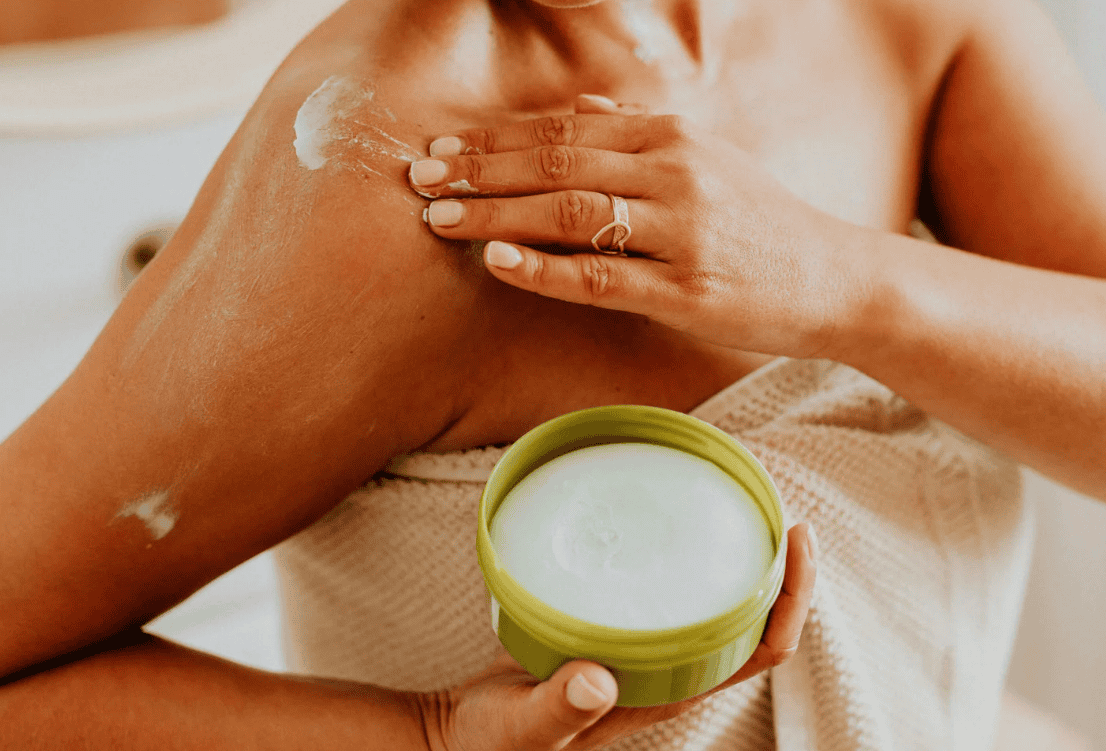
Skin is one of the first things people notice when they meet someone. It is visible every day. Because of this, skin health and self-confidence are closely connected, often influencing how people feel about themselves.
When skin looks clear and comfortable, confidence usually grows. When skin problems appear, people may feel self-conscious.
Many people experience skin concerns at some point in life. Acne, dryness, redness, or irritation can happen to anyone. These issues are common. Still, they can affect mood and confidence more than many people expect.
The good news is that healthy skin habits and proper care can improve both skin condition and self-confidence. Small daily changes can make a big difference over time.
Why Skin Health Affects Confidence
Our appearance often influences how we feel in social situations. Skin concerns may cause people to worry about how others see them. Even minor skin problems can create stress or embarrassment.
When skin is healthy, people often feel more relaxed and comfortable. They may feel more confident speaking in public, meeting new people, or participating in social activities.
Common emotional effects of skin concerns include:
- Feeling uncomfortable in social settings
- Avoiding photos or public events
- Spending excessive time trying to hide skin problems
- Experiencing stress about appearance
These feelings are understandable. Skin conditions are visible, and they can be difficult to hide.
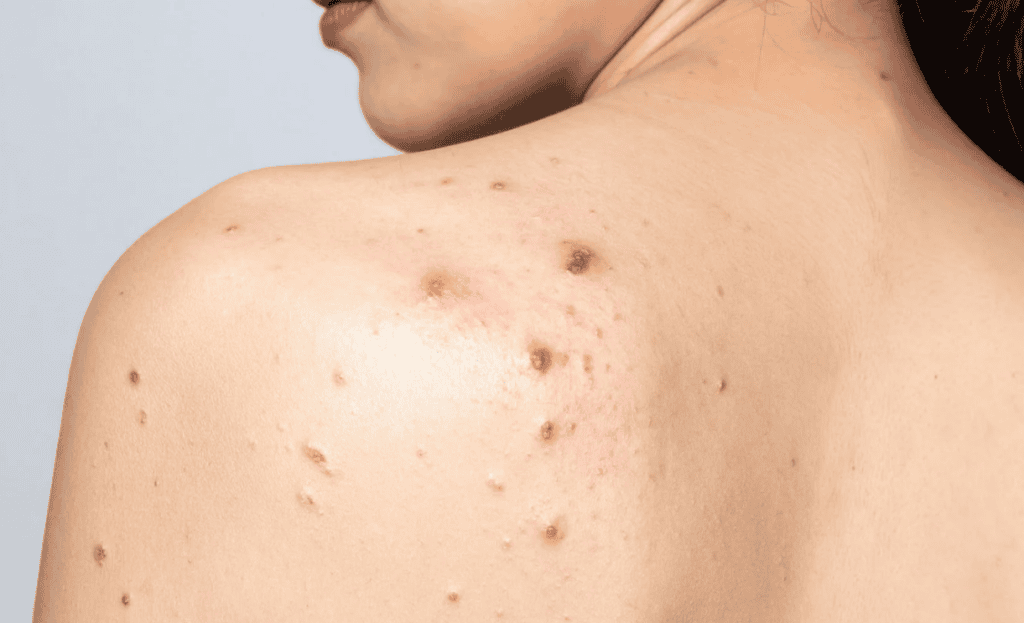
Common Skin Problems That Affect Confidence
Many different skin conditions can affect both physical comfort and emotional well-being.
Some of the most common issues include:
- Acne and breakouts
- Dry or flaky skin
- Dark spots or uneven skin tone
- Redness or irritation
- Sensitive skin reactions
- Acne scars or texture changes
These concerns can happen at any age. Teenagers often deal with acne, while adults may experience dryness, pigmentation, or sensitivity.
Understanding that these problems are common can help people feel less alone in their experience.
How Healthy Skin Improves Daily Life
Skin health and self-confidence are closely connected. While healthy skin can enhance appearance, it also supports overall well-being.
When skin feels comfortable and balanced, people may notice improvements in many areas of life.
Benefits of healthy skin include:
- Greater comfort throughout the day
- Less irritation and itching
- More confidence in social situations
- Reduced stress about appearance
- Improved overall mood
Healthy skin often leads to healthier self-perception. When people feel good about their skin, they often feel better about themselves.
Simple Habits That Support Skin Health
Many people believe skincare must be complicated. In reality, simple routines often work best.
Healthy skin usually comes from consistent daily habits rather than complicated product collections.
Basic habits that support skin health include:
- Washing the face gently twice a day
- Using moisturizer to maintain hydration
- Wearing sunscreen to protect from sun damage
- Drinking enough water during the day
- Getting enough sleep for skin repair
Consistency is more important than using many products. A simple routine that works for your skin type often provides the best results.
The Role of Diet and Lifestyle
Skin health is closely connected to overall health. What we eat and how we live can affect how our skin looks and feels.
Healthy lifestyle choices help support the skin’s natural repair process.
Helpful lifestyle habits include:
- Eating fruits and vegetables rich in vitamins
- Reducing excessive sugar and processed foods
- Managing stress levels
- Exercising regularly
- Drinking enough water
Sleep is also very important. During sleep, the body repairs skin cells and restores balance. Poor sleep habits may lead to dull or tired-looking skin.
Avoiding Common Skincare Mistakes
Sometimes people unknowingly make skincare mistakes that worsen their skin problems.
Using too many products or harsh ingredients may damage the skin barrier.
Common mistakes include:
- Over-washing the face
- Using strong exfoliants too often
- Trying too many products at the same time
- Ignoring sunscreen
- Popping pimples or picking at the skin
These habits can cause irritation and slow down healing. A gentle approach usually works better.
Professional Skin Guidance Can Help
Some skin conditions need more than basic home care. Persistent acne, severe dryness, or unusual skin reactions may require professional help.
A skin specialist can evaluate the condition and recommend proper treatment.
Professional care may include:
- Identifying the underlying cause of skin problems
- Prescribing medical treatments when necessary
- Recommending suitable skincare routines
- Treating skin conditions safely
For individuals struggling with ongoing skin concerns, visiting a trusted clinic such as Ostego dermatology may provide helpful guidance and personalized treatment options.
Professional advice often saves time and prevents people from trying products that may not work for their skin.
Building Confidence Beyond Appearance
While healthy skin can boost confidence, it is important to remember that confidence comes from many sources.
Personal confidence also grows from:
- Positive self-talk
- Supportive relationships
- Achieving personal goals
- Accepting natural imperfections
No one has perfect skin all the time. Even people with healthy skin experience occasional breakouts or irritation.
Learning to accept small imperfections helps people maintain a positive self-image.
Stress and Skin Health
Stress is another factor that affects skin. When people experience high stress levels, the body produces hormones that may trigger skin problems.
Stress can lead to:
- Acne flare-ups
- Increased oil production
- Skin sensitivity
- Slower healing
Managing stress helps both mental and skin health.
Simple stress management techniques include:
- Regular exercise
- Relaxation techniques like deep breathing
- Spending time outdoors
- Taking breaks from screens
- Practicing hobbies or creative activities
Healthy emotional habits often improve skin condition over time.
Confidence Grows With Self-Care
Taking care of your skin is also a form of self-care. When people invest time in their health, they often feel more positive and confident.
Daily skincare routines can become small moments of self-care during busy days. These habits help people feel more in control of their well-being.
Self-care habits that support confidence include:
- Following a consistent skincare routine
- Getting regular sleep
- Staying physically active
- Practicing positive thinking
- Seeking help when needed
Confidence grows gradually. It often comes from small improvements in health and daily habits.
Small Changes Can Make a Big Difference
Many people believe they need perfect skin to feel confident. In reality, confidence often comes from simply feeling comfortable in your own skin.
Healthy routines, balanced lifestyle choices, and proper skincare guidance can help improve skin health over time. These steps do not need to be complicated.
By taking small, consistent steps toward better skin care, people can support both their physical health and emotional well-being. Clearer, healthier skin often brings something even more valuable: the confidence to face everyday life with greater comfort and positivity.