

Fertility plays a critical role in overall health and well-being. Couples and individuals planning to start a family often face uncertainty and questions about reproductive readiness. Modern medical tools, such as the fertility test, provide accurate insights into reproductive potential, offering a practical approach for informed decision-making. These assessments evaluate hormone levels, ovarian reserve, sperm quality, and other essential factors, creating a clear path toward effective family planning.
How Fertility Tests Improve Reproductive Planning
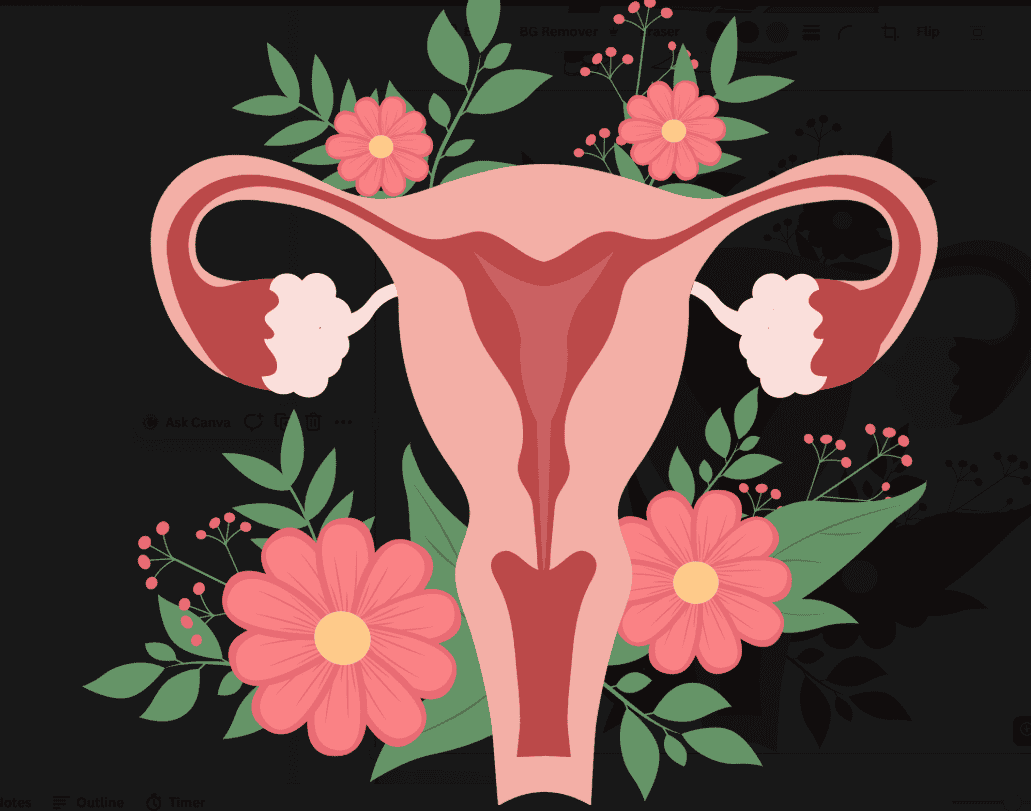
Fertility tests help identify obstacles that might affect conception. For women, evaluations include hormone panels, ultrasound imaging of reproductive organs, and ovarian reserve assessments. These tests reveal important information about ovulation cycles, egg quality, and potential reproductive health issues. For men, semen analysis examines sperm count, motility, and morphology, providing a complete picture of male reproductive health.
Benefits of fertility testing include:
- Early detection of potential reproductive issues
- Guidance for personalized medical treatments or interventions
- Support for strategic family planning decisions
- Reduced uncertainty and stress during conception efforts
With precise results, healthcare professionals can recommend targeted interventions or lifestyle adjustments, significantly improving chances of successful conception.

The role of emotional health in fertility
Emotional wellness has a direct impact on reproductive outcomes. Stress, anxiety, and emotional strain can disrupt hormone regulation and negatively affect fertility. Chronic stress may interfere with ovulation in women and sperm production in men. Integrating emotional support, therapy, or mindfulness practices can enhance overall reproductive function and create a more supportive environment for conception.
Key strategies to support emotional well-being include:
- Regular counseling or therapy sessions
- Stress-reduction techniques such as meditation or breathing exercises
- Support from community groups or online forums
- Open communication between partners regarding fertility challenges
Lifestyle Factors That Affect Fertility
Daily habits influence reproductive health in meaningful ways. Poor nutrition, lack of physical activity, irregular sleep, smoking, and excessive alcohol consumption can reduce fertility levels. In contrast, balanced diets rich in vitamins and minerals, regular exercise, proper rest, and mindfulness practices support reproductive function. Maintaining a healthy weight, reducing exposure to environmental toxins, and managing chronic conditions further optimize fertility.
Tips for lifestyle improvements to support fertility:
- Maintain a balanced diet with essential vitamins and minerals
- Engage in moderate physical activity most days of the week
- Avoid smoking, excessive alcohol, and recreational drugs
- Prioritize 7-9 hours of quality sleep per night
- Incorporate stress-management practices such as yoga or mindfulness
Combining these lifestyle improvements with medical fertility assessments ensures a comprehensive approach that addresses both biological and lifestyle factors. For example, Mayo Clinic provides additional insights on lifestyle factors that influence fertility, offering trusted recommendations for both men and women.
Age and Fertility Considerations
Age is a significant factor in reproductive health. Women experience a notable decline in fertility after their mid-30s, while men may see a gradual decrease in sperm quality over time. Fertility tests provide a realistic assessment of reproductive timing and help individuals make strategic decisions regarding conception, family planning, or interventions such as in vitro fertilization (IVF) or intrauterine insemination (IUI). Early evaluation allows for timely action, reducing uncertainty and increasing the likelihood of positive outcomes.
Advances in Fertility Testing Technology
Fertility testing technology has become more precise and accessible than ever. Modern options include at-home hormone kits, genetic screenings, and advanced imaging techniques that provide detailed information in a convenient format. While technological advances allow for greater access, consulting healthcare professionals ensures accurate interpretation of results and creation of an effective reproductive plan. Combining advanced diagnostics with expert guidance provides both clarity and confidence for individuals planning a family.
Emotional Support and Community Engagement
Fertility challenges often come with emotional stress. Support networks, counseling, and educational resources help individuals and couples manage these challenges and maintain a positive outlook. Approaching fertility as a holistic process that includes mental health, lifestyle adjustments, and medical evaluation produces the best outcomes.
Ways to strengthen emotional support during fertility planning:
- Join local or online fertility support groups
- Engage in regular counseling or therapy sessions
- Participate in workshops or webinars focused on stress management
- Share experiences openly with your partner or close friends
Choosing the Right Fertility Test
Selecting the appropriate fertility test depends on individual needs, health history, and personal goals. Professionals evaluate factors such as age, reproductive health history, and current medical conditions when recommending tests. The fertility test offered at Miracare provides detailed results with clear guidance, helping individuals and couples take practical steps toward parenthood. Accurate testing supports timely interventions and informed decision-making, giving people confidence in their family planning journey.
Conclusion
Fertility tests represent an essential tool in modern reproductive health. They provide precise data, guide decision-making, and improve the likelihood of successful conception. Integrating medical assessments with lifestyle management and emotional support creates a holistic approach to fertility that addresses both body and mind.
Starting with a reliable fertility test offers clarity, confidence, and actionable guidance for couples and individuals planning a family. With proper evaluation, support, and care, reproductive health can be optimized, creating a positive foundation for parenthood.