

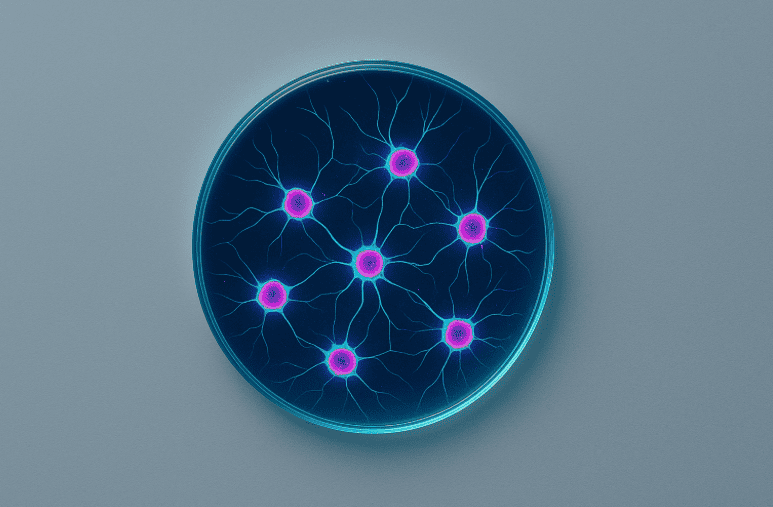
Cellular biology and cognitive psychology are fields that seem worlds apart, yet they are intrinsically linked. The study of cells can provide profound insights into the workings of the human mind. By bridging these two disciplines, researchers hope to unlock new understandings of how we think and process information.
The relationship between cellular biology and cognitive psychology is a fascinating area of study that offers valuable insights into human cognition. As you explore this topic, you will learn how cellular mechanisms can illuminate psychological processes. Utilizing tools like an automated cell counter allows researchers to measure and analyze biological variables with precision, paving the way for significant discoveries in psychology.
Cellular Biology’s Role in Understanding Cognition
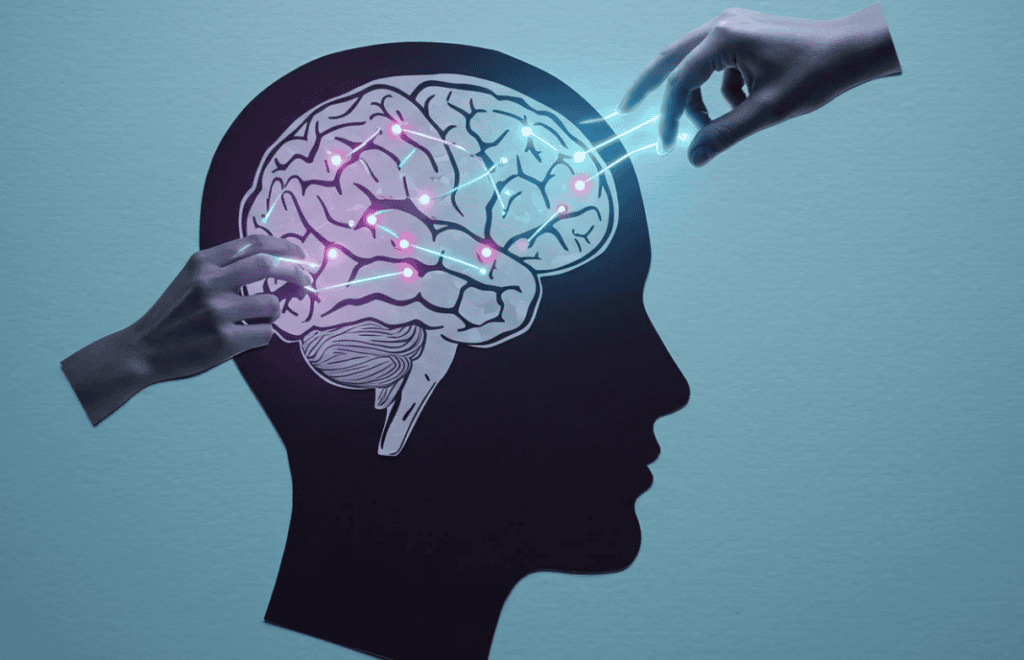
Understanding the biological basis of cognitive processes begins at the cellular level. Neurons, the brain’s cells, communicate through complex networks that form the foundation of thought and behavior. Studying these neurons provides insight into how different brain regions work together to process information. This cellular perspective is essential for understanding cognitive functions such as memory, attention, and decision-making.
Researchers use various techniques to study brain cells and their interactions. By examining synapses, the points where neurons connect and communicate, scientists can observe how learning and memory occur at a fundamental level. This cellular approach provides valuable data on how changes in neural activity correlate with cognitive changes, offering a window into the mind’s intricate workings.
The intricate relationship between cellular structures and cognitive abilities extends beyond simple neural communication. Recent advances have revealed that glial cells, once thought to merely support neurons, play active roles in information processing and cognitive function. These cells regulate neurotransmitter levels, maintain the blood-brain barrier, and even participate in synaptic plasticity.
Understanding the full spectrum of cellular contributors to cognition requires examining not just neurons but the entire cellular ecosystem of the brain, including astrocytes, oligodendrocytes, and microglia that collectively shape our mental capabilities.
Technological Advances Enhancing Research
The development of advanced technologies has transformed research in cellular biology and cognitive psychology. Innovations such as high-resolution imaging and molecular biology tools have allowed scientists to study brain cells with unprecedented detail. These technologies enable researchers to visualize cellular processes in real-time, providing new insights into how neurons function individually and within networks.
These technological advances translate into practical applications in cognitive psychology. For example, sophisticated imaging techniques help identify specific patterns of neural activity associated with different cognitive tasks. This integration of technology and biology not only enhances our understanding of cognitive functions but also informs the development of interventions for neurological disorders.
Automated cell counting and analysis systems have revolutionized the way researchers quantify cellular populations and assess their viability in cognitive research. These sophisticated instruments provide rapid, accurate measurements of cell density, morphology, and health status, eliminating human error and bias from manual counting methods.
By integrating fluorescence detection and advanced algorithms, modern cell counters can distinguish between different cell types and states, enabling researchers to track cellular changes associated with learning, stress, or neurological conditions.
This precision in cellular quantification has become indispensable for establishing reliable correlations between biological markers and cognitive outcomes.
Research Studies Utilizing Cellular Biology
Research highlights the power of integrating cellular biology with psychological research. By focusing on specific cell types or brain regions, researchers have made significant strides in understanding mental processes. Investigations into hippocampal neurons have provided insights into their role in forming new memories. This work underscores how targeted biological research can unravel complex psychological phenomena.
The outcomes of this research emphasize the implications for both basic science and applied psychology. By elucidating cellular mechanisms underlying cognitive functions, these studies provide a foundation for developing therapies for mental health conditions. The potential to translate laboratory findings into clinical practice illustrates the value of this interdisciplinary approach.
Contemporary research has expanded to examine how cellular metabolism influences cognitive performance and mental health. Studies investigating mitochondrial function in brain cells have revealed that energy production at the cellular level directly impacts attention span, processing speed, and emotional regulation.
Researchers have observed that disruptions in cellular energy pathways correlate with cognitive decline and mood disorders, suggesting that maintaining optimal cellular health is crucial for psychological well-being.
This metabolic perspective opens new therapeutic avenues, where interventions targeting cellular energy production could potentially alleviate cognitive symptoms and enhance mental performance.
Future Research Directions
The future holds exciting possibilities for exploring the connection between cellular biology and cognitive psychology. Emerging research areas focus on understanding how genetic variations influence neural function and cognition. This genetic approach could reveal why individuals differ in their cognitive abilities and susceptibilities to mental health disorders.
Technological advancements will continue to play a pivotal role in driving this research forward. As tools become more refined and accessible, you can expect an acceleration in discoveries that deepen our understanding of the mind-brain relationship. The ongoing evolution of technology promises to open new avenues for investigation, fostering a more comprehensive view of human cognition.
The integration of artificial intelligence with cellular biology research promises to accelerate discoveries in cognitive psychology exponentially. Machine learning algorithms can now analyze vast datasets of cellular behavior, identifying patterns and relationships that would be impossible for human researchers to detect manually.
These computational approaches enable predictive modeling of how cellular changes might affect cognitive functions, allowing researchers to test hypotheses virtually before conducting expensive laboratory experiments. As AI continues to evolve, it will likely become an indispensable partner in decoding the complex cellular mechanisms underlying human thought, emotion, and behavior.
The Importance of Integrating Cellular Biology Into Psychology
Integrating cellular biology with cognitive psychology enriches our comprehension of cognitive processes by linking biological structures with mental functions. This fusion allows you to appreciate how microscopic changes within cells can manifest as significant psychological phenomena. By building this bridge between disciplines, researchers pave the way for more holistic approaches to studying human behavior.
This interdisciplinary collaboration not only enhances theoretical knowledge but also informs practical applications in education, mental health, and artificial intelligence. Recognizing the symbiotic relationship between cellular biology and psychology enables a deeper appreciation of human complexity and innovation across various fields.