

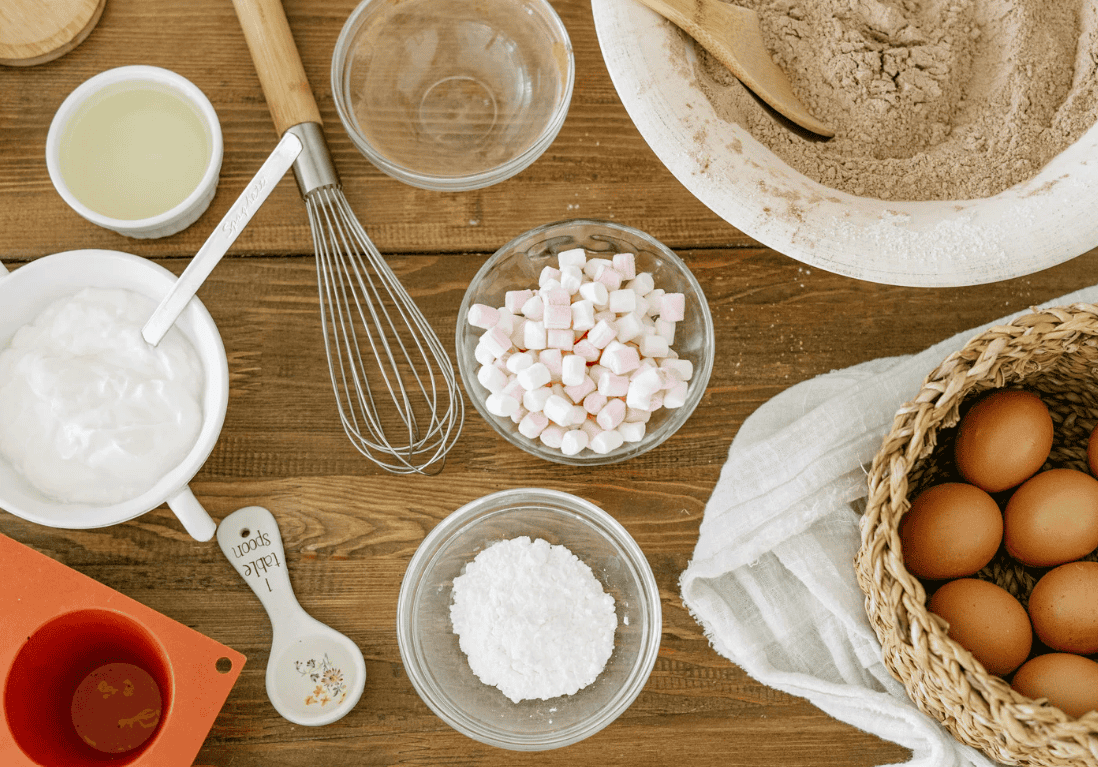
The very first time I ran a bake table for my Macmillan Coffee Morning, I was so occupied with making everything perfect and looking nice that I forgot to consider all the dietary requirements properly.
I didn’t realise how many people would check the ingredients before deciding which cake looked the nicest. Seeing how many people actually had allergies or requirements made me rethink the whole setup. I want everyone to feel welcome at the table, not nervous about whether something was suitable for them or their children.
Since then, I’ve developed a much calmer, safer approach-making an allergy-aware bake table.
How to make Coffee Mornings more allergen-friendly
Since I started giving proper thought to inclusive food prep and dietary requirements, I’ve built a really easy-to-follow system. It doesn’t turn your kitchen into a lab, and you don’t need specialist training. It’s just a bit of prep, honest labelling, and clear communication with anyone bringing food on the day.
Asking contributors for allergen details
I used to assume contributors would bring a little note with ingredients. They rarely did, mostly because everyone was rushing to finish their bakes in time. Now I send a quick message a few days beforehand with a short checklist.
What I ask for:
- Full ingredient list
- Any “may contain” info from packaging
- Whether the bake is intended to be gluten-free, dairy-free, or nut-free
- Whether the bake was made in a kitchen where nuts, eggs, or gluten are regularly present
This simple step gives me enough information to create a label that’s honest without being dramatic. One contributor once thanked me for asking; she said it took away the worry of how to word things herself.
There’s a lot of great advice out there about baking for allergies, and I found bake sale guidance from Anaphylaxis UK incredibly helpful.
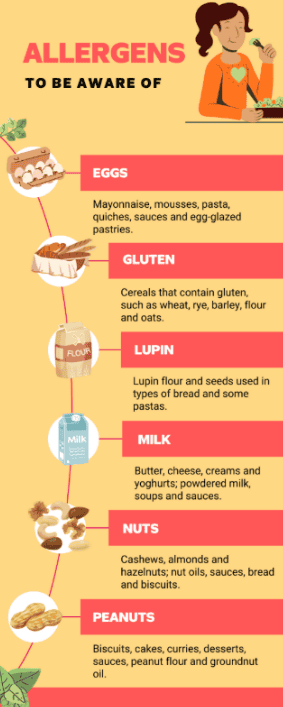
Using a simple, standard label
A loose scrap of paper doesn’t help anyone (and can easily get lost). Guests need something clear and quick to read, with easy-to-read labels for any common allergens in case they need to stay clear. I now use the same basic label for everything.
My bake label template
Name of bake: (e.g., Lemon Drizzle Cake)
Contains: (e.g., gluten, dairy)
Made in a kitchen with: (e.g., nuts present)
Notes (e.g., suitable for vegetarians)
You’re welcome to copy this for your own Coffee Morning. I print mine on small cards, one per bake, so nothing gets muddled.
Keeping cross-contamination manageable
You’re probably like me: my kitchen is busy, and I don’t pretend otherwise. I just do what’s reasonable for keeping things as contained as possible.
My top tips for managing cross-contamination:
- Wipe surfaces before starting (and between steps)
- Keep one chopping board for allergen-friendly bakes
- Use separate utensils where possible
- Store finished bakes in closed containers
- Transport them away from anything messy
It’s not a perfect or professional-standard system, and that’s ok. It’s clarity that’s important. People with allergies or intolerances know how to manage their own diet; you just need to provide all the information.
“Safe swap” bakes for an easy fix
My friend Olivia tests recipes all the time to suit egg and gluten-free diets, so I borrowed a few of her favourites that work well for guests with different needs.
Some of the most popular ideas I tried include:
- Gluten-free brownie – still a chocolatey fix, without the gluten
- Egg-free blondie – soft, simple ingredients, toddler-approved
- Dairy-free banana traybake – made with oil instead of butter
I would recommend putting these in their own section on the table. People appreciate knowing there’s something clearly labelled and low-stress to choose from.
Keeping things friendly, not frightening
It’s easy for allergy conversations to feel tense. It’s a serious topic, but it doesn’t have to be scary. I’ve found that keeping things simple is the easiest way to manage it.
A few phrases to keep in your back pocket:
- “This batch contains no nuts, but nuts are used in my kitchen.”
- “This one has no dairy ingredients.”
- “Gluten-free ingredients used, but it’s a standard home kitchen.”
A quick traffic-light guide
To keep things easy to understand (and colourful!), at my most recent Coffee Morning I used a traffic-light style system:
- Green labels were for food free from all main allergens and made separately.
- Amber labels were allergen-friendly, but prepared in our normal home kitchens.
- Red labels meant food containing common allergens (like nuts and dairy).
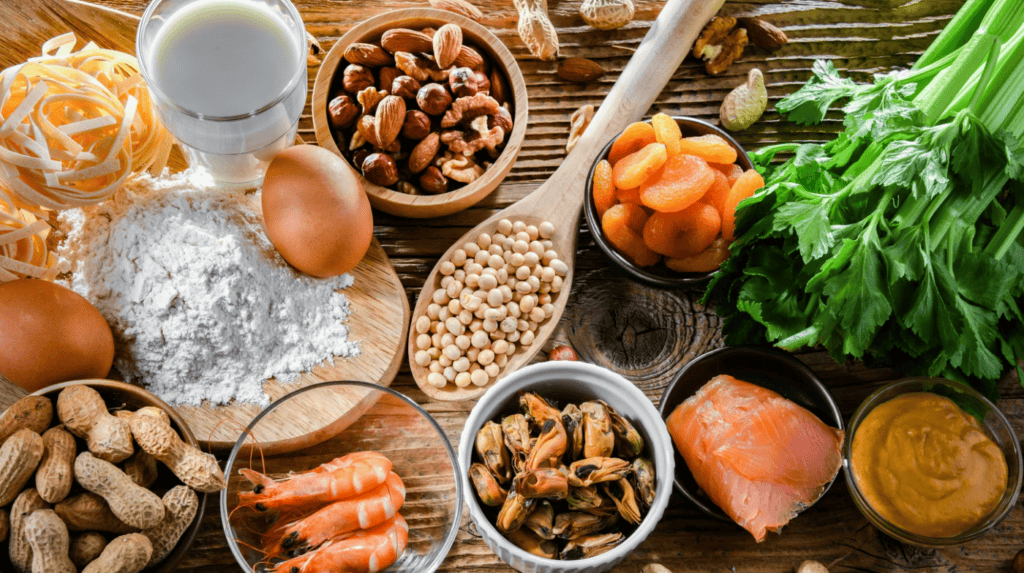
What I learned
Running an allergy-aware bake table turned out to be far less stressful than I once imagined.
Guests appreciated the care that went into each tray, and several told me they felt more included than they usually do at community events. That alone made the extra planning worth it!
Hosting an allergy-aware bake table has made me appreciate the wide range of support Macmillan offers, from allergy guidance at events to their free will writing service for anyone who wants to get their affairs in order without stress. It puts the whole day into perspective: the cakes are fun, but the care behind them is what matters.
A few small steps create a safer, more welcoming table for everyone. I’ll keep refining things as I go, but I hope this gives you a starting point you can shape to your own kitchen and your own crowd.
Hosting a Coffee Morning (no matter how you shape it) is still one of the easiest ways to donate to Macmillan Cancer Support, spend time with your friends, and really make a difference.
BIO
I’m Holly, a business owner and lifelong lemon-drizzle enthusiast who loves nothing more than a good natter over a cup of coffee. When I’m not writing, chatting, or working, you’ll probably find me helping out at my local church or cuddling my two dogs. Hosting my first Macmillan Coffee Morning reminded me how powerful small community moments can be and I can’t wait to plan the next one.