


Need some tips on how to keep your aging parents/grandparents happy and healthy in their own home?
The home environment is a huge part of mental health, especially as people age. From the lighting in the living room to the chair that they sit in for hours each day, every detail has a significant impact. The best news is that with just a few thoughtful design elements, you can completely change how an aging loved one feels in their own home.
Here’s the thing:
Most family members don’t realize just how much the home environment is affecting the mental health of their elderly loved ones. And they end up watching their parents or grandparents struggle with isolation, low mood, and loss of independence.
In this article, we will explain, step by step, how careful home design can promote the mental health of our aging loved ones. Stay tuned!
What’s covered in this guide:
- Why Home Design Matters For Aging Adults
- The Connection Between Comfort and Mental Wellbeing
- Mobility Chairs: A Game Changer For The Elderly
- Lighting, Layout & Sensory Design Tips
Why Home Design Matters For Aging Adults
Elders spend most of their time at home. So, it’s only natural that the home design will greatly influence their mental state.
A poorly designed home can lead to:
- Increased loneliness
- Depression and low mood
- Reduced independence
- A higher risk of falls and accidents
The statistics prove this as well. Per Age UK, 9 out of 10 older people who frequently experience loneliness also feel unhappy or depressed compared with 4 in 10 of those who rarely or never feel lonely. That’s a huge difference, and it highlights just how strongly the home environment is connected to mental health.
When a home does not accommodate their evolving requirements, seniors tend to disengage from their everyday lives. They become less mobile. They stop having guests in their home. And, slowly but surely, their mental health begins to deteriorate.
But here’s the good part…
A well-designed home can do the opposite. It can give your loved ones the confidence to move around, stay social, and feel genuinely comfortable in their own space.
The Connection Between Comfort and Mental Wellbeing
Comfort is one of the most underrated parts of home design for older adults.
Let me ask you a question … If your loved one hurts every time they sit down or have difficulty getting up from the sofa, how do you think they will feel? They will begin to avoid their favourite chairs. They will stop reading their books or watching TV with the family. And, ultimately, they will spend more time in bed.
That’s a fast track to poor mental health.
This is where the investment into comfortable seating for the elderly comes into play. The right mobility chairs can make all the difference for your loved one’s everyday life. They’ll support the back, hips and legs while making it much easier to stand up. Mobility chairs also have another less obvious benefit as well… They go hand-in-hand with your loved one’s emotional wellbeing.
Your loved one will be able to do this when they can sit for hours without discomfort and rise from a seated position with ease, they can:
- Read their favourite book without back pain
- Watch movies with the grandkids
- Sit at the dinner table for family meals
- Enjoy a cuppa in the garden
The little things in life are what engage seniors in their daily living. It all starts with the chair.
Mobility Chairs: A Game Changer For The Elderly
Mobility chairs happen to be one of the smartest investment any family can make for their aging loved ones.
Here’s why:
Mobility chairs for the elderly are built to assist people that have limited movements. They offer features such as:
- Powered recline and lift functions
- Pressure-relieving cushions
- Adjustable headrests and footrests
- Easy-to-reach controls
These features keep your loved ones living independently at home. And independence is paramount when it comes to mental health in aging adults.
Research published in the journal Frontiers in Digital Health states that the number of people in the older adult age range will top 2.1 billion by the year 2050. That’s a lot of folks who will have the quality of their life impacted by a well-designed home and an appropriate mobility solution.
Now let me explain how mobility chairs support mental wellbeing in real life…
When an aging parent can sit in their chair, recline at the touch of a button, and rise to a standing position without assistance, they feel capable. They feel in control. And feeling in control is one of the best ways to prevent depression and anxiety in older adults.
The right mobility chair gives them back their freedom in their own home.
Lighting, Layout & Sensory Design Tips
Aside from good seating, there are a couple of other home design features that greatly affect mental health.
Lighting
Good lighting is one of the most commonly overlooked features of home design for aging loved ones. Did you know that older eyes need more light to see well…About 3 times more light than younger eyes. Poor lighting can cause:
- Increased fall risk
- Sleep problems
- Low mood and depression
- Confusion in the evenings
Install circadian lights that mimic natural light and your life will be transformed. Improved sleep, better mood and your loved ones will feel more like themselves during the day.
Open & Accessible Layouts
Crowded and tight floor plans make everyday living difficult for seniors. Spacious hallways, one-story designs, and walk-in bathrooms minimize anxiety and maximize ease of mind.
NHS-funded research found that loneliness was associated with almost one in five (18%) cases of depression one year later among older adults. A home which is easier to move around in keeps loved ones connected, mobile and significantly less isolated.
Sensory Touches
Don’t underestimate the power of the senses. Things like:
- Soft textured cushions
- Familiar family photos
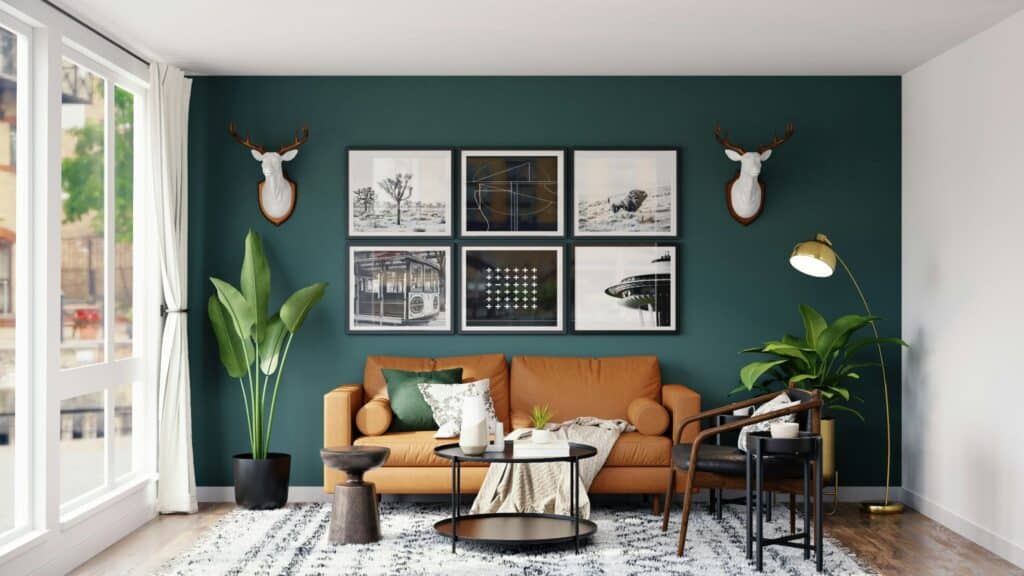
- Calming colours like soft blues and greens
- Plants and natural elements
All these little things lead to a home that feels safe, calm and supportive.
Bringing It All Together
Mindful home design makes a world of difference in the mental health of aging loved ones. It’s not just for aesthetics… It’s about providing a space where they can:
- Stay independent
- Feel safe and supported
- Stay socially engaged
- Move around comfortably
Start simple. Observe the living spaces your family occupies most and think about how those spaces could be improved. Maybe brighter light fixtures, an open floor plan, or investing in quality wheel chairs. Small steps.
The fact is… our aging loved ones deserve a home that helps them in every way possible. And with a few thoughtful design changes, you can give them that and more.