


Introduction
Mental health support has evolved rapidly over the past decade. With the rise of AI-powered tools, people can now access emotional support anytime, anywhere—without the barriers of cost, stigma, or availability.
But this shift raises an important question:
Can AI therapy really replace traditional therapy—or is it something else entirely?
In this guide, we’ll break down the real differences between AI therapy vs traditional therapy, explore their strengths and limitations, and explain where tools like Abby.gg fit into modern mental health support.
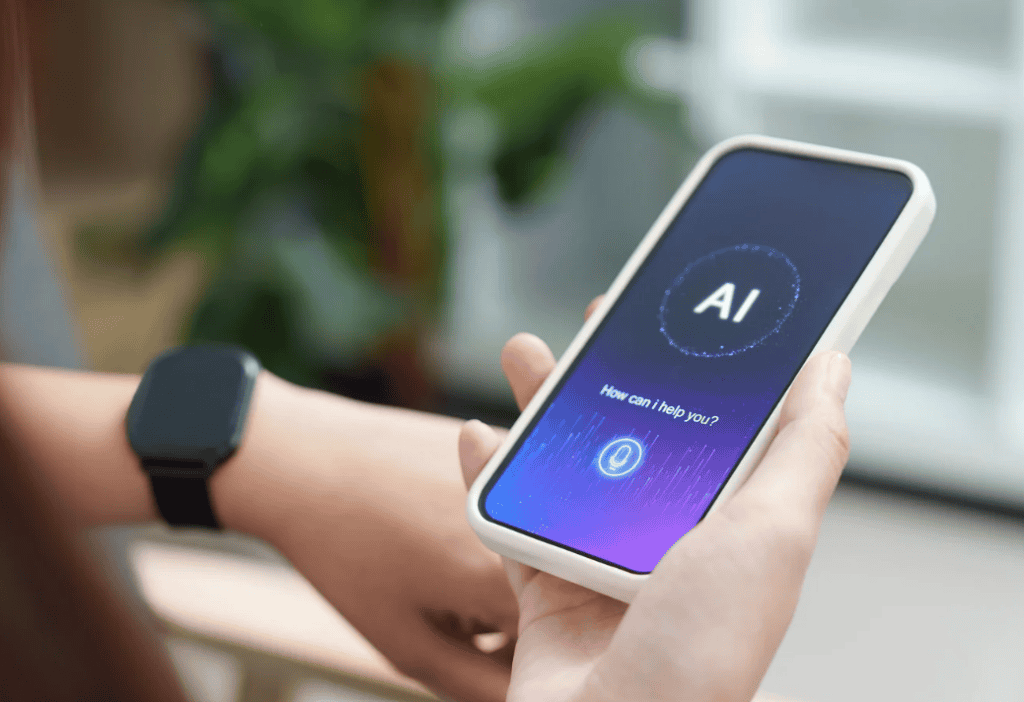
What Is AI Therapy?
AI therapy refers to digital platforms that use artificial intelligence to simulate therapeutic conversations. These tools are often built around frameworks like Cognitive Behavioural Therapy (CBT), offering structured guidance, emotional support, and coping strategies.
Unlike traditional therapy, AI tools are:
- Available 24/7
- Fully anonymous
- Instantly accessible
- Often free or low-cost
Platforms like Abby.gg are designed to provide a safe space where users can:
- Vent emotions
- Reflect on thoughts
- Receive structured prompts
- Build healthier mental habits
Rather than replacing therapists, these tools aim to bridge the gap between need and access.
Traditional Therapy: The Gold Standard
Traditional therapy remains the most effective form of mental health treatment—especially for complex or severe conditions.
Working with a licensed therapist provides:
- Deep emotional understanding
- Personalised treatment plans
- Clinical diagnosis
- Crisis management support
Therapists can pick up on nuance, body language, and emotional depth in ways AI currently cannot replicate.
However, access remains a challenge:
- High cost
- Long waiting times
- Social stigma
- Limited availability in some regions
This is where AI tools begin to play a meaningful role.
AI Therapy vs Traditional Therapy: Key Differences
1. Accessibility
AI therapy tools like Abby.gg are always available. There’s no scheduling, no waiting lists, and no geographical limitations.
Traditional therapy, while more comprehensive, often requires:
- Appointments
- Travel
- Ongoing financial commitment
👉 Insight: AI removes friction, making mental health support more approachable for first-time users.
2. Depth of Support
Human therapists provide:
- Emotional nuance
- Complex problem-solving
- Long-term behavioural change
AI tools, on the other hand, are better suited for:
- Daily check-ins
- Emotional release
- Light guidance
👉 Insight: AI is best for support, not treatment.
3. Privacy and Comfort
Many users feel more comfortable opening up to AI, especially when discussing sensitive topics.
With platforms like Abby.gg:
- No judgment
- No social pressure
- Complete anonymity
This can be particularly helpful for:
- People new to therapy
- Individuals dealing with stigma
- Late-night emotional distress
4. Cost and Scalability
AI therapy is significantly more affordable and scalable. This makes it a powerful tool for addressing global mental health gaps.
Traditional therapy, while highly effective, is limited by:
- Time
- Human availability
- Cost barriers

Where Abby.gg Fits In
Abby.gg positions itself as an AI emotional support companion, not a replacement for professional therapy.
It’s particularly useful for:
- Daily mental health maintenance
- Managing mild anxiety or overthinking
- Journaling thoughts through conversation
- Building self-awareness
Users often describe it as:
“A place to clear your mind when no one else is available.”
This highlights its core value:
👉 Immediate, judgment-free support—anytime you need it
Is AI Therapy Safe?
Safety is one of the most important considerations when using AI for mental health.
Reputable platforms like Abby.gg include:
- Clear disclaimers
- Boundaries around medical advice
- Encouragement to seek professional help when needed
However, users should understand:
AI tools are not suitable for:
- Crisis situations
- Severe mental health conditions
- Clinical diagnosis
👉 Best practice:
Use AI as a supplement, not a substitute, for professional care.
The Future of Mental Health Support
The future isn’t AI or human therapy—it’s both.
We’re moving toward a hybrid model where:
- AI handles accessibility and daily support
- Therapists provide deep, clinical care
This combination can:
- Reduce pressure on healthcare systems
- Encourage early intervention
- Make mental health support more inclusive
Final Thoughts
AI therapy tools like Abby.gg are not here to replace therapists—but they are changing how people access support.
For many, they serve as a first step:
- A safe space to open up
- A tool for daily emotional check-ins
- A bridge toward professional help
As technology evolves, the role of AI in mental health will continue to grow—but its purpose remains clear.