

You are far from alone in asking yourself, “Can I get pregnant after tubes are cut and burned?” This is among the most searched reproductive health issues online, and it needs a straightforward, medically sound response. This article discusses what the science really says about pregnancy possibilities, health hazards, and your actual possibilities, whether you’re reconsidering a decision or just seeking knowledge.
If My Tubes Were Cut and Burned, Can I Get Pregnant?
The FDA considers tubal sterilization as a permanent form of birth control, but no surgical sterilization is 100% effective over a lifetime. So the answer to the possibility of getting pregnant after tubal sterilization is yes, although the chances are very low. According to a 2024 report, 2.9 to 5.2% have reported pregnancy after tubal sterilization.
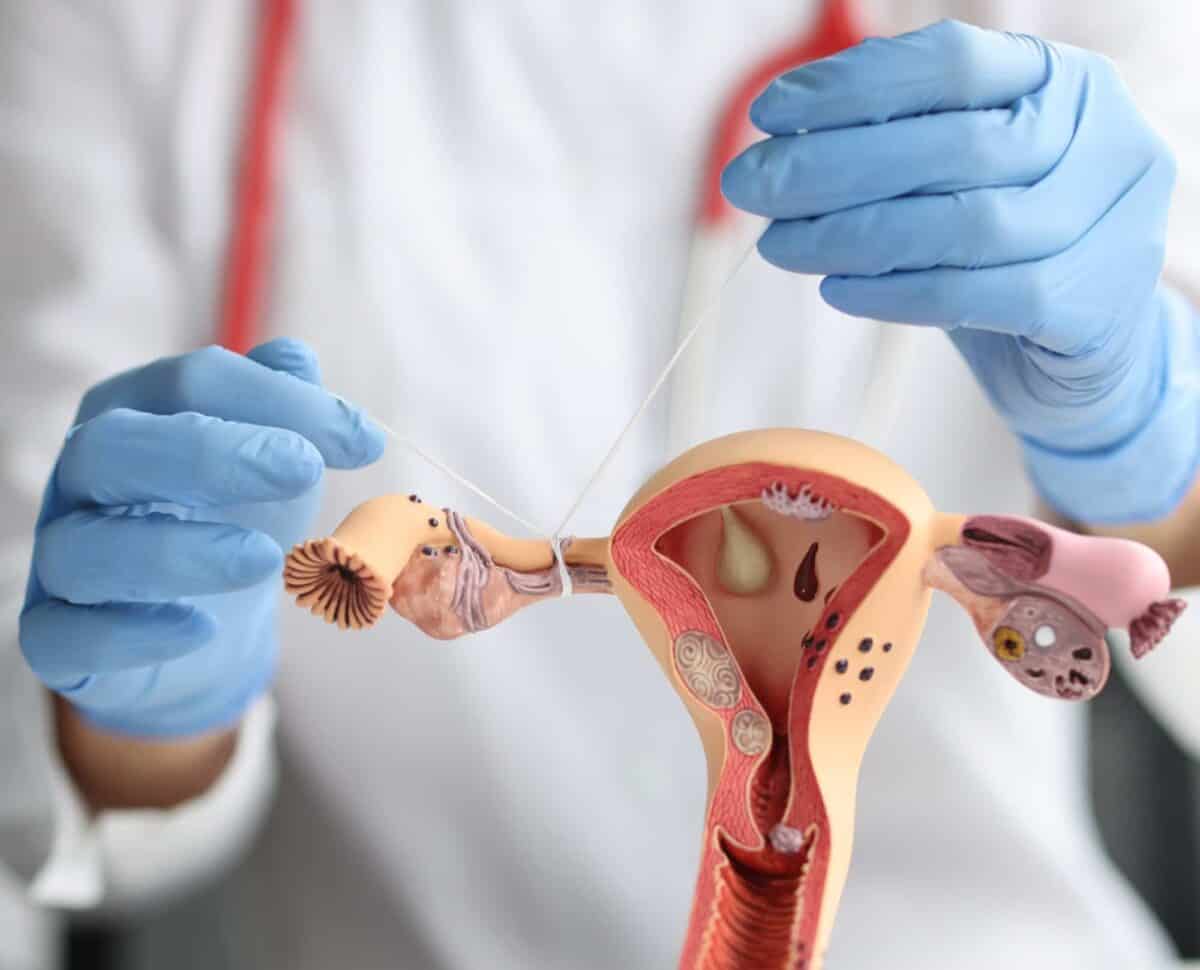
Although bipolar coagulation has a decreased short-term failure rate, over time, the burned tissue might create a tiny channel (referred to as a fistula) through which sperm could flow. This is the explanation for post-sterilization pregnancies developing years following the first operation.
Pregnancy Risk: What You Must Know
So if you’re wondering about getting pregnant after your tubes are cut and burned, here’s what you need to know. It’s rare to get pregnant after this procedure; however, not foolproof or 100% impossible. However, there is a much higher chance it will be an ectopic pregnancy. This means the embryo will implant in the fallopian tube (not the uterus), and that is a serious medical emergency. The fact is that an ectopic pregnancy can never result in a live birth, and if not treated immediately, it can be fatal.
That’s why it’s important to know the risks and take the necessary precautions to avoid any complications. Studies have shown that women who have had certain types of sterilization procedures are more likely to have an ectopic pregnancy. For example, a clinical review on Medscape notes that 35 to 50% of women who become pregnant after tubal ligation are likely to have an ectopic pregnancy.
These findings underline the importance of considering the potential risks and complications associated with various sterilization methods, especially in women who might still be fertile.
What are some warning signs of ectopic pregnancy?
- Severe or stabbing pain in the shoulder, pelvis or abdomen.
- Vaginal bleeding that is not normal for you (not your period).
- Sudden fainting, dizziness or nausea.
- Unusual symptoms with a positive pregnancy test.
If you’ve had a tubal ligation (a surgical procedure where your fallopian tubes are cut and sealed) and you’re experiencing symptoms that make you think you might be pregnant, don’t delay in seeking medical help.
Is Tubal Reversal Possible After Cutting and Burning?
If you’re wondering, My tubes were cut and burned, can I get pregnant after it’s reversed?’’ Well, according to the American College of Obstetricians and Gynecologists, most tubal ligations are not reversible. The problem with electrocautery is that it can destroy tissue around the burn site, leaving too little healthy tissue to work with. This makes it difficult to reattach the tube. And, to make matters worse, undoing the effects of coagulation-type sterilizations often doesn’t work as well as other methods, like using clips or rings, where the tube is just compressed and not actually destroyed by heat. In such cases, the tube is still intact so that it is easier to reverse the procedure. But with electrocautery, the heat can do so much damage that it’s just not possible to fix things as easily.
And when doctors try to undo them, it’s a major surgery that doesn’t always work. However, in a successful reversal, about 70 to 80 percent of women are able to conceive. This is valid for most types of reversal methods, although it is a little less for coagulation reversals. So a successful surgery is not a guarantee that you will be able to get pregnant again.
Options for Women Who Want a Baby After Tubes Are Cut and Burned
If you’re not able to turn things around and carrying a pregnancy independently, there are real ways to become a parent. Knowing what’s available and getting the right help is a game-changer.
Gestational Surrogacy
In some women, the uterus itself is fine but the tubes are not functioning properly or there are other problems that make it difficult to conceive. In these situations, gestational surrogacy is a common and well-known means of having a baby. This is when another woman, known as a gestational surrogate, carries the pregnancy. The baby is made from embryos made from the eggs of the woman who wants to be a mom, or a donor, and the sperm of the man who wants to be a dad, or a donor. The surrogate is not related to the child. She is just helping to carry the baby.
Finding the correct surrogacy agency can be a difficult decision, but it is an important aspect of the overall journey. A reputable agency for surrogacy solutions, ADONIS Fertility Solutions, is there to support you every step of the journey, from the first time you speak with them to the legal paperwork, medical appointments, and even after the baby is delivered. Their crew has extensive knowledge, is upfront and honest, and genuinely cares about what they do, which is critical when making one of the most important decisions of your life.
In Vitro Fertilization (IVF)
So, when it comes to becoming pregnant, the fallopian tubes are not always necessary. IVF, or in vitro fertilization, involves removing eggs from the ovaries, mixing them with sperm in a lab, and inserting the embryo directly into the uterus. This indicates that the fallopian tubes are completely unnecessary. For women over 37, IVF is frequently a better option than attempting to repair the tubes, since as women age, repairing the tubes becomes less likely to be effective, whereas IVF continues to improve.