

Introduction: Looking Beyond the Physical Symptoms
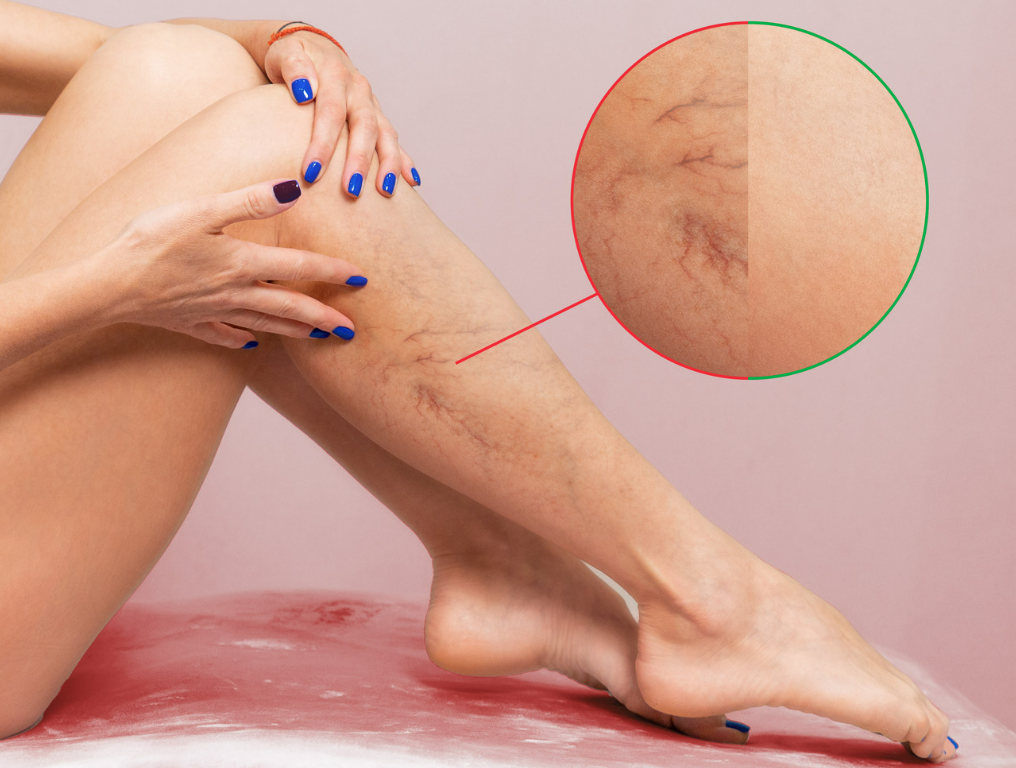
Most people associate vein treatment with unsightly varicose and spider veins. Some think treatment only relieves painful symptoms like swelling and heaviness in the legs.
While vein treatment definitely relieves painful symptoms and improves the appearance of the legs, the benefits of vein treatment extend beyond the legs.
The health of your veins impacts the health of your body, and in many cases it impacts your mental health, self-esteem, and social life. These symptoms also impact the quality of your life.
Many adults suffering from vein disease think their symptoms are just a normal part of busy life, standing for long hours, or even just a normal part of aging.
These symptoms can be severe and many people even start to limit their daily activities as a result of their symptoms. What many of these individuals don’t know is that leaving vein disease untreated also impacts mental health and self-esteem.
Now, with the treatment options available, we can start to heal parts of the body (the veins) that are critical not just for circulation but for mental and emotional health as well. These even improve the quality of life by enabling individuals to feel normal again.
The symptoms may have mentally and emotionally taken the individual out of their normal daily activities. Treating your veins impacts your body and your mental health as well.
Edema and Elemental Vein Health
Veins are a critical part of the circulatory system. After veins have delivered oxygen to the body, they have the responsibility of returning to the heart. Leg veins are tasked with moving blood upwards against gravity. They are designed with one-way valves to aid this process.
The pooling of blood due to the backflow of one-way valves can increase blood and venous pressure. Chronic venous insufficiency and varicose veins can result from this pressure.
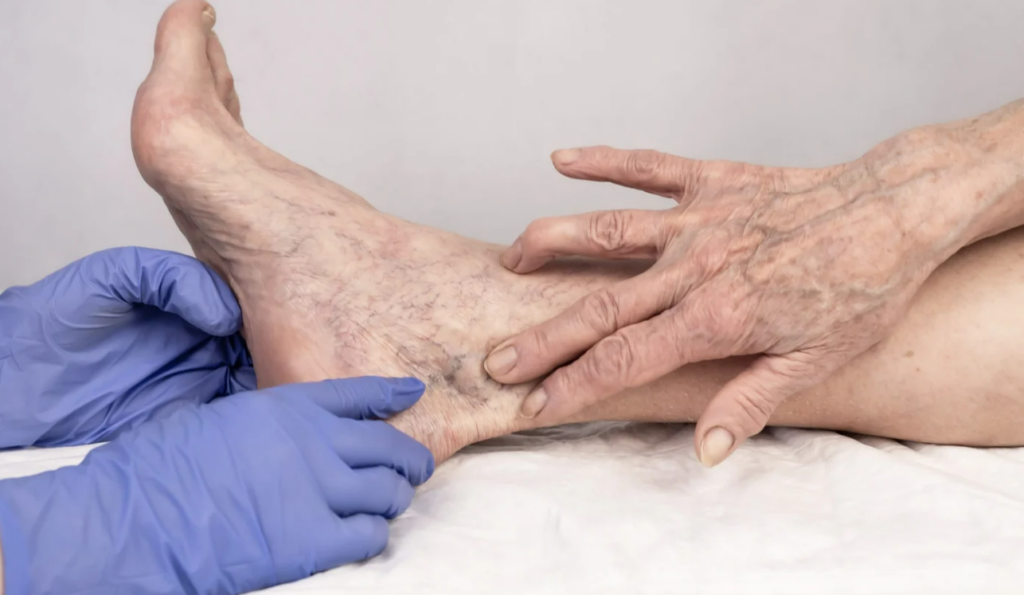
Symptoms can include enlarged veins, a heavy or tired feeling in the legs, and even an itchy sensation in the legs.
The symptoms of venous disease are uncomfortable and can affect your mental wellbeing. Chronic pain can change how people do things in everyday life. In particular, it can change how a person perceives themselves and how they choose to socialize.
The Elevated Pressure of a Leg with Varicose Veins and Lack of Confidence
There is a direct correlation between pressure in the legs and a person’s self-confidence. When the appearance of legs is less than satisfactory (varicose veins), there is a tendency to be more self-conscious.
Anxiety over the appearance of legs can lead to a person wearing less clothing covering their legs less. This avoidance of situations can lead to a lack of enjoyment, and overall dissatisfaction with life.
Appearance isn’t the only thing affected by symptoms. Chronic symptoms can undermine confidence regarding physical ability. For example, symptoms like heaviness, swelling, or fatigue in one’s legs may cause hesitation around the sustainability of participating in leisure travel, physical exercise, or even a workout routine.
Effective treatment for veins targets both the cosmetic and the physical side of vein disease. For a lot of patients, the treatment of their symptoms and diminished concerns around their appearance brings about a meaningful increase in confidence across all the facets of their life.
How Vein Issues Impact the Ability to Move
The ability to move is easily one of the most critical components of a person’s quality of life and independence. This ability is most often overlooked until the ability to move is restricted in some way.
Movement can be restricted or even avoided with ease when discomfort is not the motivating factor. Avoiding physical activity may be the result of discomfort, not the lack of motivation, which can lead to a negative feedback loop.
Decreased activity not only negatively impacts physical health, but can further exacerbate discomfort. Vein treatment can restore the ability to move and improve quality of life by stimulating physical activity that had been all but forgotten.
Chronic Symptoms and Mental Health
The role of mental health when chronic symptoms are present is well known. Suffering with symptoms that are constant and cause discomfort has a negative impact on mental health.
Symptoms of anxiety and a poor quality of life can be the result of chronic physical conditions.
Vein disease is no different. Symptoms like pain, swelling, heaviness, and fatigue have a lasting impact on mood and emotional wellbeing. The frustration with the restrictions on your lifestyle due to the discomfort that lasts for months or even years is totally understandable.
This frustration can even be worse with the impact on sleep. Many people have discomfort with cramping, throbbing, and other symptoms that make it hard to sleep at night.
Poor sleep increases things like concentration and irritability and can cause worse symptoms of anxiety and depression.
The symptoms and discomfort of vein disease can have a significant impact on emotional and psychological well-being, even if no one can see it.
Socializing is really an important part of emotional well-being because it provides an outlet for many.
The symptoms of vein disease can make people self-conscious and can make some people anticipate discomfort during social activities. This can make people decline event invitations.
Many families and friends can feel like they have to limit an outing or activity and make it less valuable if it is outdoors due to symptoms worsening.
Some people can feel discomfort with exposing their legs, while others avoid situations that can make walking or standing difficult.
Feeling disconnected and isolated can be a result of reduced social activities. This can negatively impact emotional well-being. So it really is important to find a way to create an outlet for social activities.
Social activities can be beneficial for emotional well-being. So it really is valuable to solve the issues that make people unable to socialize or be a part of social activities.
Promoting Mobility for Positive Mental Health
The link between movement and mental health is strong. For starters, physical activity causes the release of feel-good neurotransmitters and helps maintain emotional wellness. Stress and sleep issues, which negatively contribute to mental health, are also benefitted.
Venous disease hinders mobility and may also limit mental wellness. Walking, exercising, gardening, traveling, and hobbies may become greatly limited.
Restoration of mobility can be achieved through circulation improvement. Vein discomfort can be greatly reduced, and people are able to resume movement and both physical and emotional wellness.
Free mobility greatly affects independence and greatly boosts self-confidence and self-worth, and is fulfilling.
Modern Development in Vein Treatments
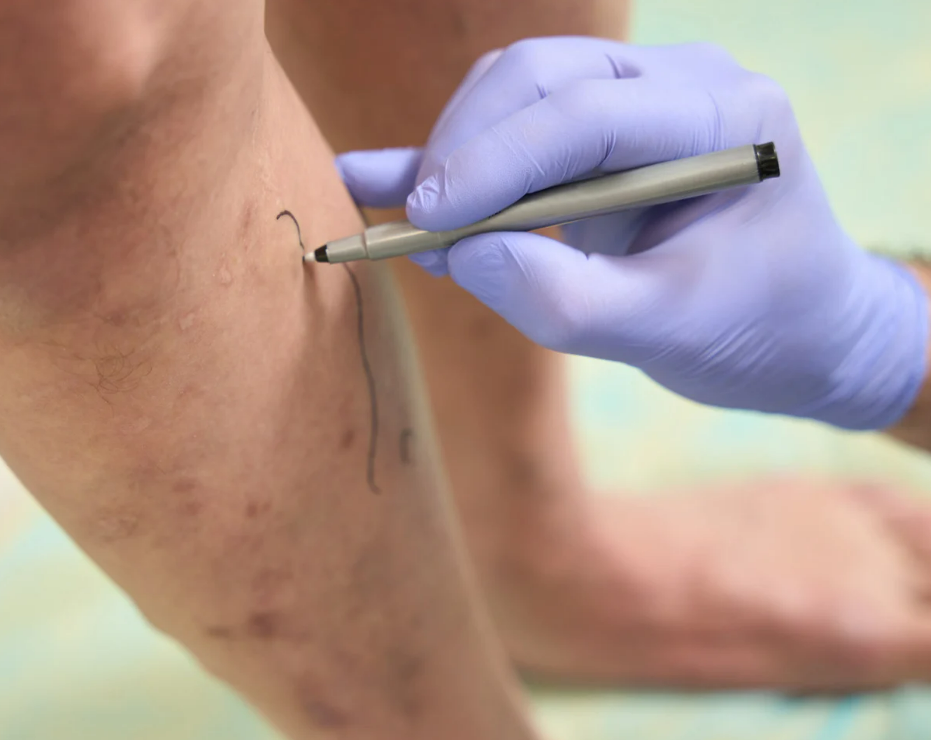
Vascular medicine has greatly developed in the past twenty years. The treatments of today are a vast improvement over treatments of the past. They are less invasive, extremely effective, and quicker.
Endovenous ablation and other ultrasound-assisted treatments are all advanced procedures that address circulation difficulties while maintaining other healthy blood circulation.
The result of these procedures is so much more than an improvement in the appearance of the leg and comfort and mobility. The quality of life of patients is significantly improved.
The ultimate goal is to improve both the comfort of patients and the function of their vascular systems, and to give them back the freedom and confidence that venous disease robbed them of.
Taking a Holistic Approach to Vein Care
Many healthcare professionals are beginning to understand that caring for the whole person is more effective than treating physical symptoms in isolation.
In ordering the most effective vein care, it is important to understand the impact of vascular conditions on the emotional, social, and holistic aspects of a person.
We encourage patients to be vocal about the pain, social, and emotional limitations of their condition. A holistic approach to care minimizes the burden of vein disease on a patient and maximizes the options that can be prescribed to them.
It may benefit the individual to investigate and educate themselves on the many treatment options available to them if they are experiencing symptoms that affect them day to day.
Patients seeking to get trusted care from vein doctors in Yardley can undergo a circulatory assessment to analyze their condition and receive a treatment plan that may greatly improve their quality of life.
As a rule of thumb, the earlier the treatment is initiated, the more likely the symptoms will be alleged and the improvements will last.
Achieving a Better Quality of Life
The benefit of many forms of vein treatment is that patients can participate in the positive activities that they may have removed from their lives, from travelling to daily activities of walking, pain free. Therapeutic benefits often go beyond physical symptoms.
Treatment also allows patients to reclaim the exercise they love, travel, and participate in social activities with family, and even improve symptoms of treatment pain.
The focus on positive activities often yields a renewed sense of emotional well-being and optimism.
There is a noteworthy correlation between positive physical health and emotional well-being.
Conclusion: More Than a Medical Procedure
The common assumption surrounding vein treatment is its understanding solely as a solution to visible veins or a remedy for circulatory symptoms. The reality is quite the opposite.
Treatment has the potential to alter one’s everyday life by the improvement of mobility, reduction of discomfort, and enhancement of confidence and mental health.
The interdependence of physical and emotional health is real. Chronic symptoms of vein disease negatively impact the quality of one’s self-esteem, social life, sleep, and overall happiness.
The treatment of these symptoms with the help of modern vein care relieves discomfort and restores confidence and social engagement to the patient.
While increasing the understanding of vein disease is essential, it is the recognition that effective treatment encompasses much more than the improvement of circulation that is most vital.
It is the acknowledgement that effective treatment helps people regain confidence, and ultimately, to live a more full and active life.