

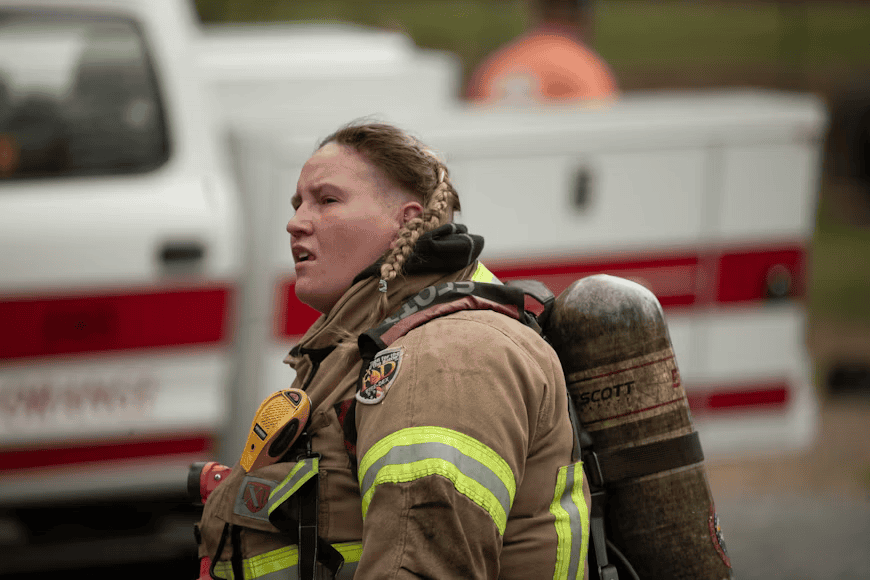
Female first responders often carry work-related stress in both mind and body. Long shifts, disrupted sleep, and repeated exposure to other people’s distress can keep the nervous system activated long after a call ends. Mental resilience training may help with focus and emotional regulation, but it can miss physical changes involving sleep, digestion, pain, and reproductive health. A broader wellness plan recognizes these signals early and connects responders with care suited to their individual needs.
Somatic Expressions of Secondary Stress
Secondary stress can develop through repeated contact with people who are injured, grieving, or frightened. The body may express that strain through headaches, jaw tension, muscle pain, digestive trouble, or a racing heart at rest. Some responders also notice irritability, emotional numbness, or difficulty settling down after work.
These reactions can feel disconnected until you track when they occur. Record sleep quality, physical symptoms, and shift patterns for two to four weeks. Note whether symptoms intensify after demanding calls or several overnight shifts. Resources on somatic support for responders also explain how body-based awareness may help people recognize activation earlier. For more context, this overview of how trauma affects the nervous system describes why stress responses can persist after immediate danger has passed.
When Sustained Alarm Affects Internal Systems
Extended nervous system activation can influence multiple areas of health. Stress hormones may interfere with sleep, appetite, and immune function. For women, cycle changes, pelvic discomfort, fatigue, or worsening menopause symptoms may appear alongside more familiar stress reactions.
Persistent or new physical changes deserve medical attention. Schedule a visit if symptoms last several weeks, disrupt daily activity, or become more intense. Access to women’s health care can support needs such as well-woman exams, breast health, menopause care, postpartum care, and pelvic medicine. Bring a symptom record to the appointment and include details about shift length, sleep timing, and recent high-stress events. This context can help a clinician assess physical causes while accounting for occupational strain.
Integrating Specialized Care Into Wellness Plans
A useful wellness plan connects physical health care, mental health support, and workplace recovery practices. Start with a primary care clinician or women’s health clinician who can review symptoms and rule out conditions such as anemia, thyroid problems, or sleep disorders. A trauma-informed therapist can then address intrusive memories, avoidance, or persistent alertness.
Recovery also needs practical protection between shifts. Keep post-shift routines simple: eat a balanced meal, reduce bright light before sleep, and allow time for the body to settle. Peer support may reduce isolation, though it shouldn’t replace confidential clinical care when symptoms persist. Evidence from prolonged disaster response highlights the cumulative strain that can emerge during extended operations, reinforcing the need for scheduled recovery before exhaustion becomes severe.
Moving Toward Total Responder Wellbeing
Total wellbeing requires more than measuring how effectively someone performs under pressure. Agencies can support female responders through predictable rest periods, confidential counseling access, and health benefits that cover reproductive, pelvic, and menopausal concerns. Supervisors should also treat recurring sleep trouble, pain, and concentration problems as possible health signals instead of personal shortcomings.
For individuals, the clearest threshold for seeking help is a change from your usual baseline. Examples include waking repeatedly for two weeks, missing periods, experiencing frequent stomach pain, or remaining intensely alert on days off. Early assessment creates room to address physical conditions and stress-related symptoms together.
A responder should not have to reach a breaking point before care feels justified. When the body keeps sounding an alarm after the shift is over, that signal belongs in the wellness conversation.