

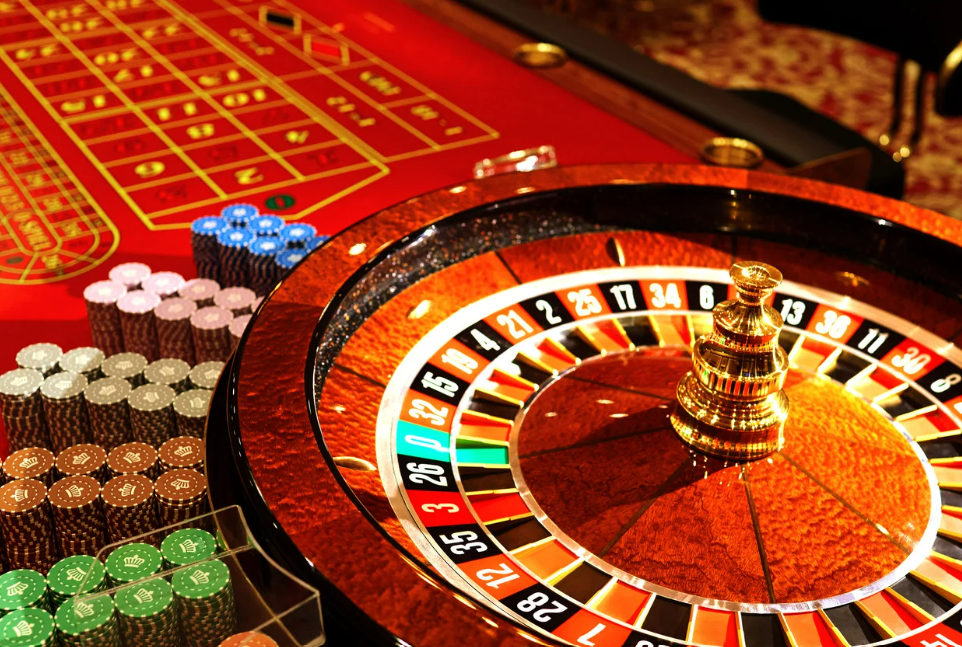
Walk into any casino in Las Vegas or Atlantic City and the first thing that hits you isn’t the table layout — it’s the atmosphere.
Research published in the *Journal of Gambling Studies* found that casino-related sounds and red ambient light, when present together, produced faster betting speeds and more frequent risk-taking in a simulated roulette task than either stimulus produced on its own.
US roulette player behavior doesn’t emerge from pure instinct or personal preference; a considerable part of it is shaped by deliberate sensory engineering that operators have refined across decades of observation and research.
The Psychology Behind Roulette Color Choices
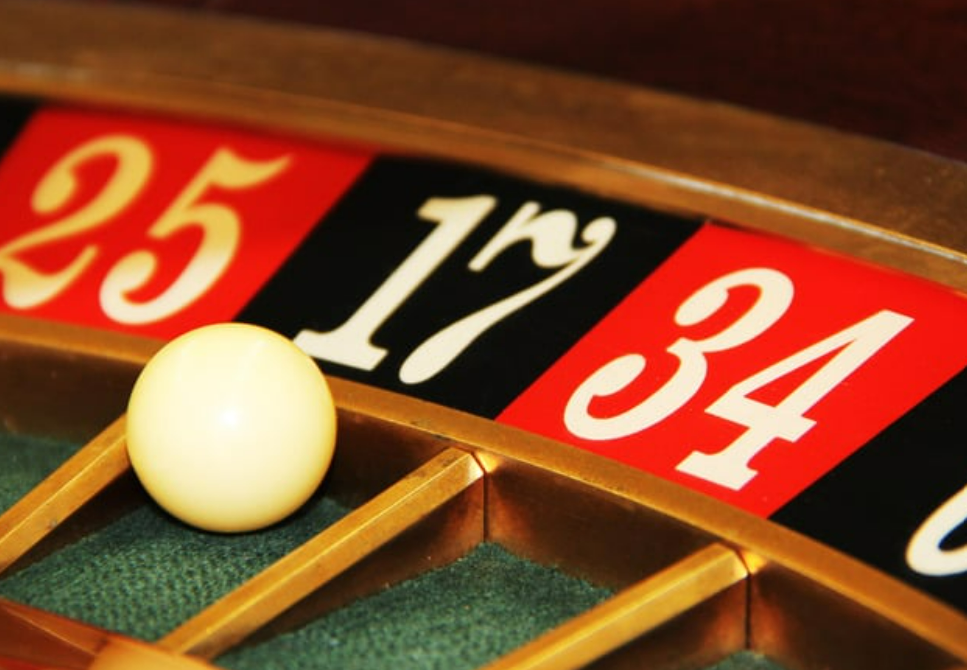
The roulette wheel carries one of the most psychologically loaded color schemes in recreational gaming.
Red and black aren’t a visual convention inherited from tradition without reason — color psychology research consistently links red with heightened arousal, elevated heart rate, and greater willingness to accept risk.
Black registers as authority and deliberateness. Players who feel drawn to one side of the wheel may be responding to those color associations as much as to any personal betting logic, often without realizing it.
These effects extend beyond the wheel itself. The broader casino environment layers color cues through lighting, upholstery, and carpet — warm ambers and reds that sustain a mild state of arousal across a visit. This isn’t legacy interior design from a time when better options weren’t available.
It reflects associative learning principles: the psychological mechanism by which repeated environmental pairings create conditioned behavioral responses over time.
An environment that consistently accompanies gambling activity trains the brain to associate that sensory context with the emotional states of active play.
Blue appears as a deliberate counterpoint to the warm dominant palette. Gaming psychology literature documents cases where roulette wheel illumination shifts to blue specifically during the betting window.
Blue has documented calming properties — it slows perceived urgency and reduces internal tempo — which supports more deliberate wagering during the decision interval.
The design logic is intentional: heighten arousal during the spin, lower it during the decision window, then repeat.
Color-outcome associations add a further layer. Players exposed to red environmental cues before a gambling decision tend to slightly overestimate the probability of a favorable result.
This isn’t a conscious calculation; it’s the brain applying a learned association — red signals positive outcomes in many cultural and natural contexts — to a statistically unrelated event.
Across many decisions over time, that misapplication can contribute to betting patterns that diverge from rational expectation in ways that are difficult to notice from the inside.
How Sound Design Influences Roulette Sessions
Sound in a roulette environment reaches the brain differently from color because it’s far harder to selectively block. Players can look away from a table or close their eyes, but ambient audio in both physical and digital roulette environments runs continuously.
The click of the ball, the mechanical turn of the wheel, chip sounds, and the murmur of nearby activity are all processed whether or not the player consciously attends to them.
Win sounds carry the strongest studied behavioral effect. When a bet pays out, the celebratory audio activates the brain’s dopamine-reward pathway, producing a brief emotional high the nervous system encodes as positive reinforcement.
Research on operant conditioning shows this response remains robust at low reward frequencies — the brain continues treating infrequent wins as meaningful events because each one delivers the same acoustic reward profile regardless of how long the interval was.
Players who observe a nearby bet win experience a secondary version of that response, which reinforces the overall environment’s effect without requiring a personal outcome.
The concept of perceptual constancy helps explain why returning to roulette after a short break tends to feel different from the initial sit-down.
Over repeated sessions, the brain builds a stable sensory model of the roulette environment — a reference pattern that becomes strongly associated with the emotional states of active play.
When that acoustic and visual profile reappears, the associated states re-activate quickly. Players often describe this as “getting into it” within the first few minutes, without being able to identify what triggered the shift.
Background music tempo rounds out the picture. Higher-tempo music correlates with shorter deliberation intervals before bets — not because it alters the reasoning process, but because it sets an environmental rhythm that shorter decision loops tend to synchronize to.
Some US online roulette platforms now offer audio customization options, letting players reduce ambient effects or toggle individual components of the sound layer. The existence of those features quietly acknowledges what the research documents.
The Combined Sensory Effect on Betting Behavior
The most significant finding in this area isn’t about color or sound in isolation — it’s about what happens when both operate simultaneously.
Research published in the Journal of Gambling Studies, 2013, compared the effects of red ambient light alone, casino sounds alone, and the combination of both on a computerized gambling task designed to simulate real wagering decisions.
Red light alone produced moderate increases in risk-taking. Casino sounds alone had modest effects.
The combination produced faster betting speeds and more frequent risk-taking than either condition achieved independently — a synergistic rather than additive result.
This synergy matters because it describes how actual casino and online roulette environments function.
These aren’t controlled experiments that isolate one variable at a time — they’re complete sensory systems where color, audio, light levels, and spatial design operate together and reinforce each other.
The behavioral influence of the full environment is considerably larger than the sum of its individual elements, which means players who account for only one factor at a time tend to underestimate the total effect.
Players exploring the best US roulette sites will notice that this design logic has carried directly into digital platforms.
Most US online roulette interfaces use red-dominant palettes, ambient audio tied to wheel activity, and win-sound libraries built to closely match the acoustic profile of a physical casino floor.
The translation from physical to digital wasn’t nostalgia — it was based on the same behavioral evidence that shapes physical casino design, and it produces comparable results.
Why Live Dealer Roulette Doubles Down on Sensory Design
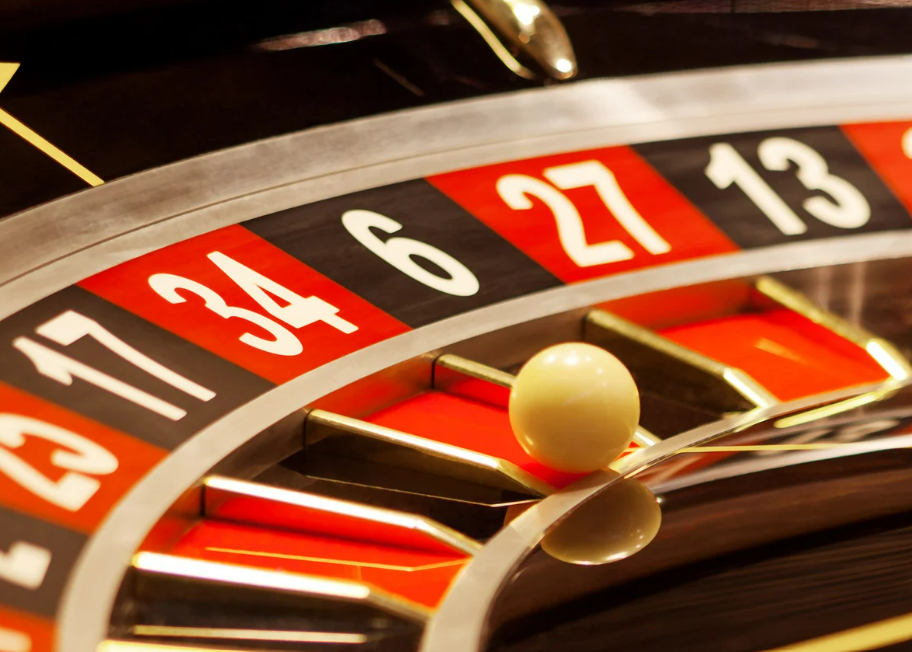
Live dealer roulette represents the fullest application of casino sensory engineering in a digital format. These platforms stream real croupiers from studios purpose-built to replicate the visual and acoustic environment of a premium casino floor, and the replication is deliberate in every detail.
The croupier’s voice calling bets, the audible click of the ball, the physical spin of the wheel, and the studio lighting are all engineered to deliver a specific sensory package.
US operators who offer live dealer roulette invest significantly in studio audio production because the research supports a direct relationship between acoustic fidelity and session engagement.
A live dealer environment that sounds right keeps players engaged longer than one that sounds flat or artificial.
Some platforms have begun offering sound customization in live formats — options to reduce ambient audio or mute specific effect layers. That feature is, at its core, an acknowledgment that the sensory environment produces behavioral effects measurable enough that some players specifically want to manage them on their own terms.
What The Research Means For How Players Approach The Game
The behavioral evidence points in one clear direction: US roulette players are responding to more inputs than the spin of the wheel and the rules on the felt.
Color choices, sound design, lighting intervals, and audio tempo are functional design elements with documented effects on risk perception, decision speed, and session length.
They’re part of what makes roulette engaging as entertainment — the sensory environment is the product, not just the backdrop.
Understanding this doesn’t diminish the experience. Every entertainment environment is built to produce engagement — from sports arenas to concert halls — and roulette is no different.
What the research provides is a clearer picture of which inputs are producing which responses, useful for any player who wants to engage on informed terms.
Players who consistently keep their sessions within the time and spending limits they set for themselves tend to share one approach: they make those decisions before entering the sensory environment, not while inside it.
The design doesn’t disappear once you know it’s there, but knowing it’s there changes how much of your decision-making it can reach.