


Many people face a daily frustrating paradox in their lives. On the one hand, they have a situation that is making them miserable and affecting how they show up in other areas of their lives. But on the other hand, they cannot seem to get out of this situation. For some reason, it seems that their brains continue to rationalise these bad situations despite the awareness of their impact.
So, why does this happen?
Why Do We Stay in Bad Situations?
When people think of bad situations, they tend to gravitate towards the dramatic or toxic ones, such as working under abusive bosses. But truth be told, bad situations are not always this horrendous. However, they all have something in common: they are draining and unchanging.
Examples include safe relationships that lack intimacy and joy, jobs where people feel undervalued or bored, friendships where one person feels like they do all the work, and businesses that no longer make financial sense. These situations may not stand out in the dramatic or toxic sense, but they do weigh on people, emotionally, mentally, and physically.
Thus, begs the question, why don’t people leave?
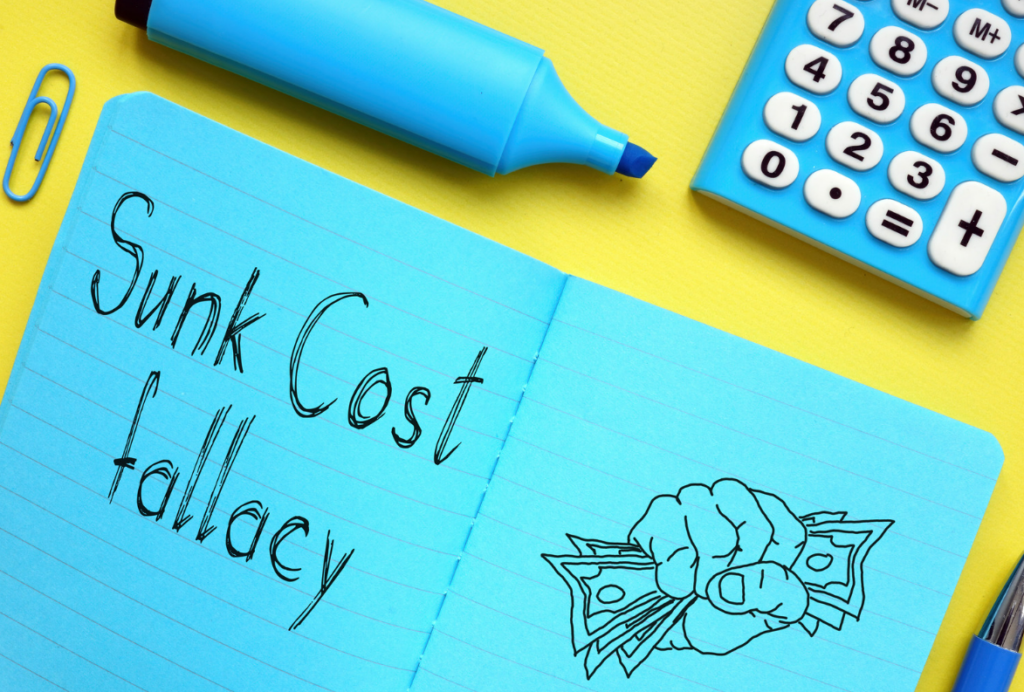
The Sunk Cost Fallacy
Let us think of the sunk cost fallacy from a business perspective. Airlines spend millions on their aircraft. As such, you can imagine just how tempting it would be for them to keep their planes in the air even when they were facing issues, such as poor fuel efficiency, so as to make more money from them.
But they do not keep flying these aircraft just because they cost them millions. Instead, they partner with specialised aviation firms like Magnetic MRO, which provide them with comprehensive CAMO and engineering services, of which you can read more here. By doing so, they save their financial and reputational futures.
But when it comes to our personal lives, many people conflate the value of their past investments with their future value. For example, in a relationship, a person may be unwilling to leave their partner because they have been together for five years.
And given that time investment, they think that if they stay, then they will eventually get value from their years of persistence. The same goes for bad friendships, jobs, and other situations where we keep spending our time and money to stay there, hoping we’ll finally get something out of it.
Additionally, many people grapple with loss aversion. They look at what they will lose if they walk away, be it a routine or a title, instead of what they will gain if they leave.
As such, even if a change promises them growth or peace of mind, they choose to hold on to what they have. For example, someone who has invested heavily in a company may refuse to walk away because they think that if they do, the person who takes their position will reap all the benefits that come from the work they did.

The Fear of the Unknown
Many people often say that ‘better the devil you know than the angel you do not.’ And that is because while their situations may be bad, they are predictable. Leaving, however, means walking into an unpredictable environment.
And since people have already adapted to difficult situations and learned to survive them, they are often willing to forgo alternatives because those alternatives pose a threat they may not know how to address.
Identity also ties in with this fear of the unknown because, for many people, bad situations become part of who they are. For instance, if your identity revolves around being a resilient businessperson, you are unlikely to stop working on a failing business because it feels like giving up who you are. Therefore, many people stay just to avoid the identity crisis that would come from walking away.
Given these nuances, it is important for us to have compassion for ourselves and others, as walking away from bad situations is not always black-and-white. Even so, it is possible to leave these situations behind and embrace happier, more fulfilling lives.