


When bad things happen to us, people react differently. Some people take time to sit with their feelings and acknowledge what has happened. Others distract themselves. Some deny what has happened or numb themselves. Others choose to talk to other people who can listen to them and perhaps comfort them. Some dwell on the negative experiences for days at a time. The list of reactions goes on and on, and these are but a few of the ways we deal with emotional experiences.
More recently, there has been an increase in the number of people who choose to focus on the bright side regardless of what has happened. Each time they experience a setback, they look for the silver lining and focus on it, citing this approach as helping them invite abundance into their lives. But could it be harming us?
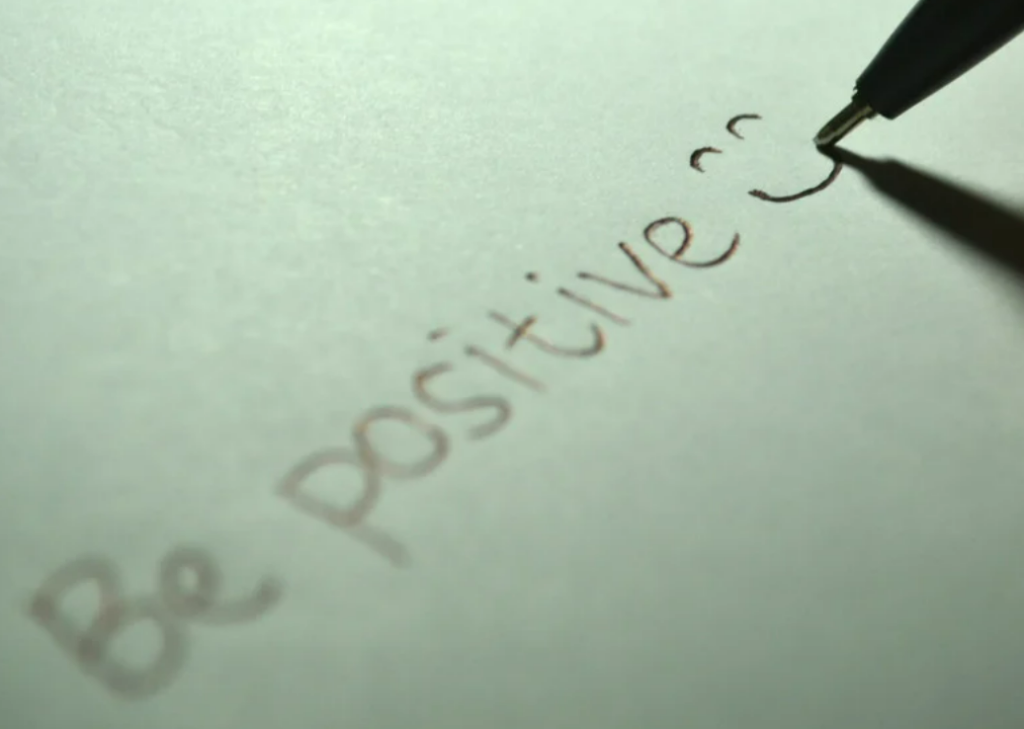
Why Are People Eager to Embrace Toxic Positivity?
In life, we have often been taught that if we ignore problems, then they only grow bigger. For example, if an airplane’s engine is not performing optimally, airlines know this could put people’s lives at risk.
So, instead of waiting and hoping that the issue resolves itself, they seek out help from organisations like Magnetic Enginestands, on whom you can find more information here, who provide them with the engine stands required to inspect and work on engines. This way, they ensure their bases are covered before they can hope for the best.
But toxic positivity is not as practical. The idea behind this kind of positivity is to embrace an optimistic outlook in life so that no matter what comes your way, you remain unfazed and always have something to be grateful for. And in many ways, that means burying your head in the sand. So, why would people do this?
Well, for the most part, it is a defence mechanism. Truth be told, dealing with negative emotions such as anger and sadness can be very uncomfortable. So, some people tend to steer clear of such situations by resorting to positive expressions to avoid dealing with these feelings. Others will even share these positive expressions with others, thinking that they are helping the situation, when what people really need is someone to listen to them.
Our culture also plays a role in toxic positivity, since it strongly reinforces the belief that performing happiness actually leads to real happiness. As such, people feel the pressure to act happy even when things are not going well in their lives.
Does This Mindset Hurt Us?
While positivity does help us appreciate the good things in life, toxic positivity suppresses or dismisses negative emotions. As such, even when things are really bad, people feel the need to ignore those feelings and focus on the good.
Unfortunately, this emphasis creates a breeding ground for feelings of shame and guilt whenever we are unable to stay positive. After all, if we cannot smile things away, the cultural messaging is that we are not trying hard enough, and we are being negative.
Additionally, toxic positivity suppresses real emotions. If continued over time, these emotions do not just go away. Instead, they creep back up in the form of stress and anxiety. In some cases, these negative emotions can even harm our physical health, with studies linking toxic positivity to lifestyle diseases such as high blood pressure.
Toxic positivity also hurts our relationships. If we are always looking for the bright side, then we fail to really listen to the people around us when they are struggling. And when people feel unseen and unheard, they do not feel safe around others, which leaves them isolated when they really need connection.
Being Positive Without the Toxicity

Unlike toxic positivity, healthy positivity allows you to feel negative emotions while acknowledging that you can still have positive experiences and that there is room to move forward. It all starts with acknowledging negative emotions as they arise, finding ways to work through them, and remaining hopeful about the future.
We do not have to choose between pleasant and negative experiences, as we can have both without necessarily having a bad life or being bad people.