

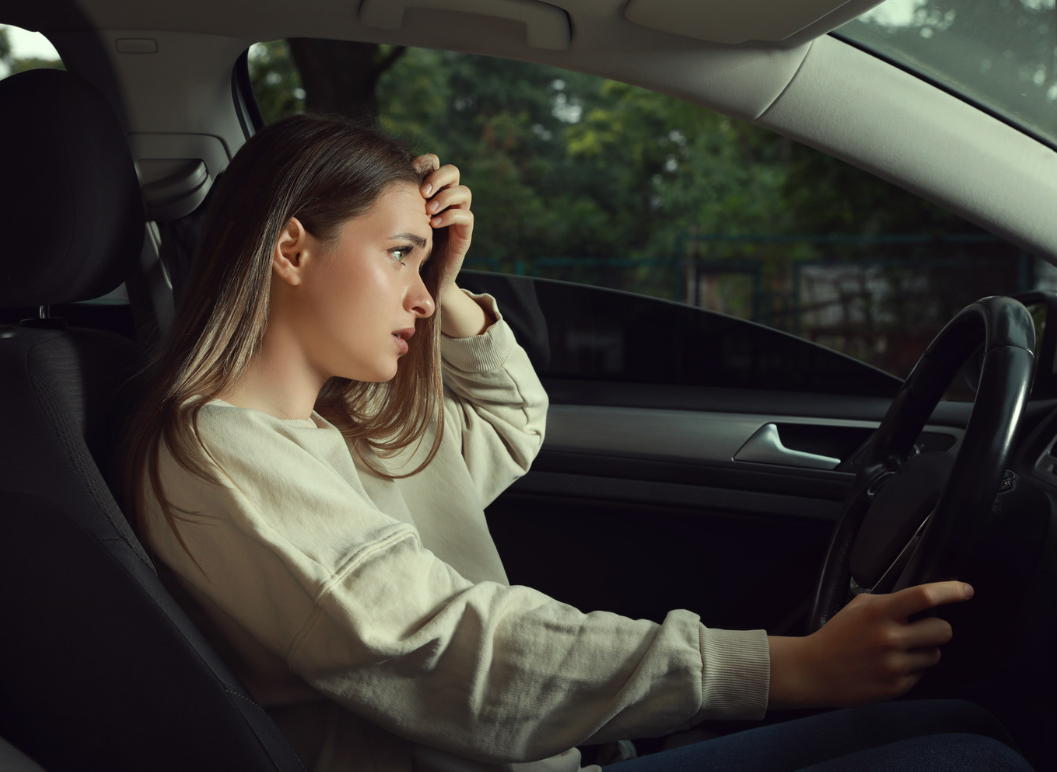
A car crash can affect more than the body. Even after visible injuries begin to heal, many people feel nervous about getting behind the wheel again.
They may worry about another collision, feel tense in traffic, or replay the crash whenever they pass the same type of road, intersection, or vehicle involved in the accident.
Driving anxiety after a crash is not a sign of weakness. It can be a natural response to a frightening event, especially if the person was seriously hurt or believed they were in danger.
When anxiety, medical bills, vehicle damage, and insurance questions all happen at once, speaking with a Seattle car crash lawyer may help accident victims understand how the crash affected their life and what evidence may support their claim.
Anxiety Can Appear in Different Ways
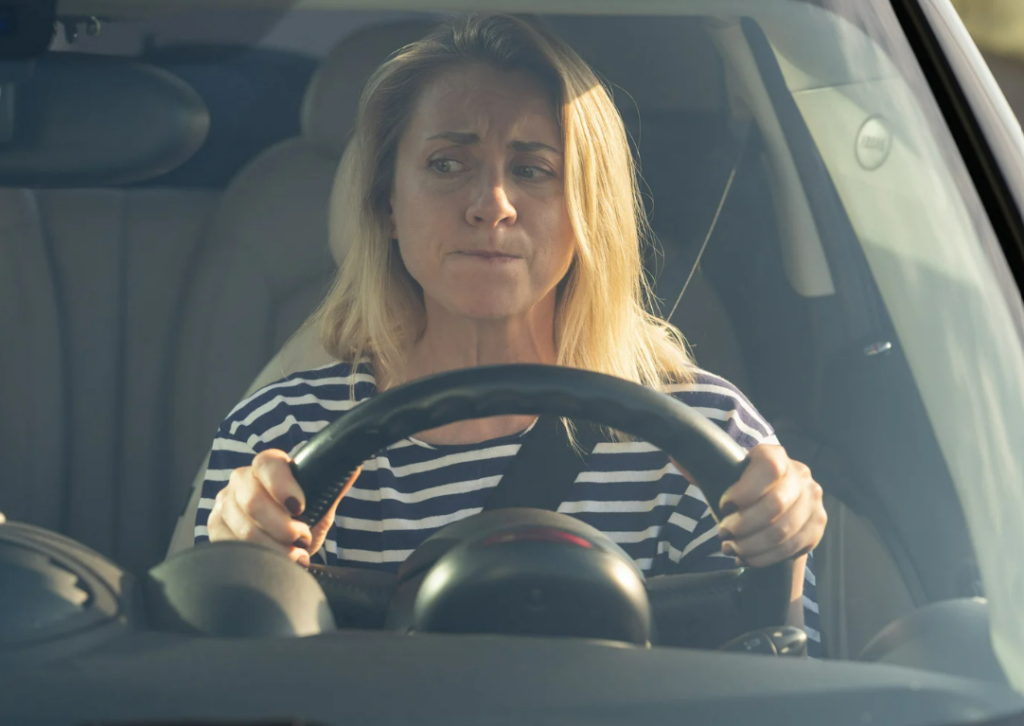
Driving anxiety does not look the same for everyone. Some people avoid driving completely, while others can drive only short distances or familiar routes.
A person may feel panic when merging, stopping at red lights, riding near large trucks, or traveling through the area where the crash happened.
Physical symptoms can also appear. These may include a racing heart, sweating, shaking, nausea, chest tightness, shortness of breath, or trouble concentrating.
Even when the road is safe, the body may react as if danger is still present. That reaction can make everyday travel feel stressful and exhausting.
Avoidance Can Make Daily Life Harder
After a crash, some people begin changing their routines to avoid driving. They may skip appointments, rely on relatives for rides, avoid highways, or turn down work opportunities that require travel.
What starts as a temporary coping strategy can slowly affect independence, income, and personal responsibilities.
Avoidance may also make anxiety stronger over time. The longer someone stays away from driving, the harder it may feel to return.
This does not mean the person should rush before they are ready. It means the emotional impact of the crash should be taken seriously, just like physical pain or vehicle damage.
Emotional Injuries Can Be Connected to the Crash
Emotional injuries after a crash can be just as disruptive as physical injuries, even though they may be harder to see or explain. These effects may appear in different ways, including:
- Anxiety or panic: A victim may feel nervous while driving, riding as a passenger, or even thinking about the crash.
- Fear after a sudden impact: Someone who was hit without warning, trapped in a vehicle, or feared serious harm may continue to feel unsafe.
- Sleep problems: Nightmares, trouble falling asleep, or waking up during the night can develop after a traumatic collision.
- Changes in daily life: Emotional distress may affect work, family responsibilities, relationships, and normal routines.
- Loss of enjoyment: A person may avoid activities they once enjoyed because of fear, stress, or reminders of the accident.
- Documented symptoms: Medical records, therapy notes, personal journals, and statements from loved ones can help show how deeply the crash disrupted daily life.
Medical and Mental Health Support Can Help
Seeking help after a crash is important when anxiety affects driving or daily routines.
A primary care doctor can check for physical conditions that may contribute to symptoms, such as pain, concussion, sleep loss, or medication side effects. They may also refer the person to a mental health professional.
Therapy can help accident victims process what happened and learn safer ways to manage fear. Some people benefit from gradual exposure, relaxation techniques, breathing exercises, or treatment for trauma-related symptoms.
Getting care also creates records that may explain when the anxiety began and how it has affected the person since the crash.
Insurance Companies May Minimize Anxiety
Insurance companies sometimes focus on visible injuries, repair estimates, and medical bills while overlooking emotional harm.
They may suggest that anxiety is unrelated, exaggerated, or temporary. This can be frustrating for someone whose life has changed because they no longer feel safe driving.
That is why documentation matters. Medical notes, therapy records, journal entries, work records, and statements from family members may help show the real impact of driving anxiety.
These details can explain how the crash changed the person’s habits, responsibilities, sleep, confidence, and ability to travel.

Returning to Driving Should Be Gradual
Some people feel pressure to start driving again quickly, especially if they need to get to work, school, medical appointments, or family obligations.
However, returning too fast can increase fear if the person is not emotionally ready. A gradual approach may feel more manageable.
This might begin with sitting in a parked car, riding as a passenger, driving around a quiet neighborhood, or taking short trips during low-traffic hours. Over time, the person may rebuild confidence step by step.
Progress may not be perfectly smooth, but small improvements can still be meaningful.
Recovery Means Taking the Fear Seriously
Driving anxiety after a crash can be isolating because others may not understand why the fear remains. Someone might say the accident is over or encourage the person to simply move on.
But for many victims, the crash continues to affect how they feel every time they approach traffic.
Taking anxiety seriously can help people recover with more patience and support. Medical care, emotional support, proper documentation, and legal guidance can all play a role in moving forward.
A crash can leave more than physical injuries, and recognizing that truth is an important part of rebuilding confidence after the accident.