


Safety in assisted living depends less on appearance and more on who is present when a resident needs help.
Older adults can lose their balance during a nighttime bathroom trip, miss an evening medication dose, or wake with chest pressure, nausea, or sudden confusion.
Round-the-clock staffing reduces the time between experiencing distress and receiving skilled assistance.
That constant presence also supports steadier routines, closer observation, and calmer decision-making for residents and relatives alike.
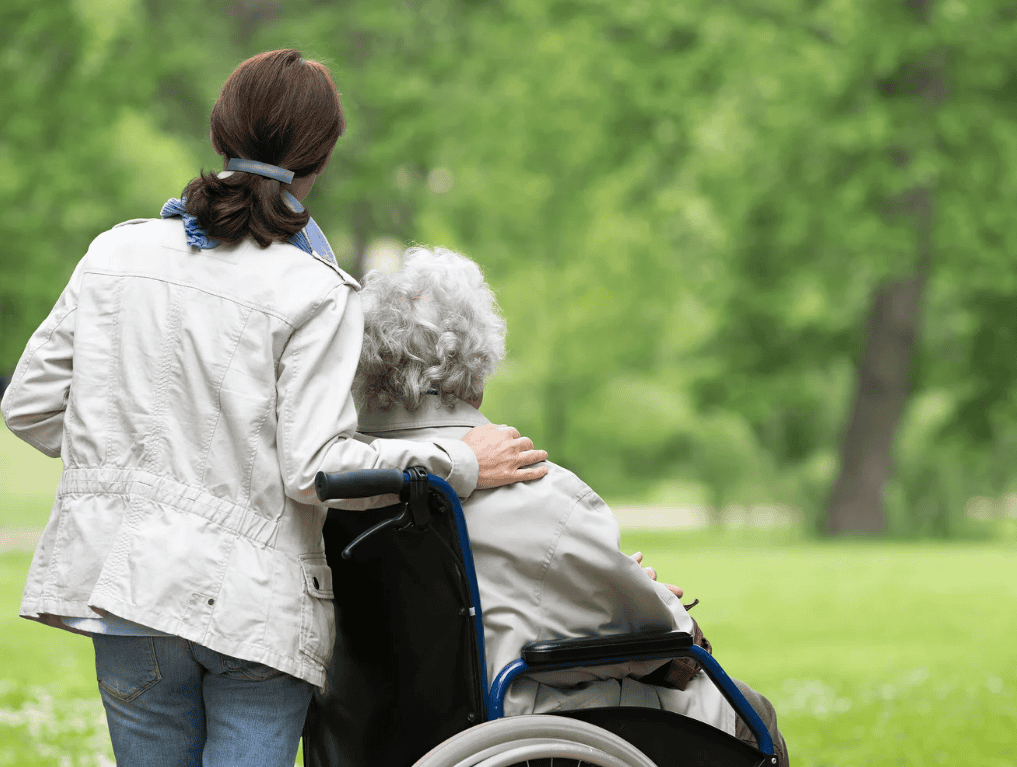
Why Coverage Counts
Families often study staffing before dining options or paint colors, because risk does not pause after sunset.
In assisted living in Midvale, round-the-clock staffing coverage, medication assistance, emergency response, and shorter walking distances all contribute to daily protection. Those features matter in practical terms.
A caregiver who arrives quickly can steady an unsafe transfer, assess symptoms, and keep a minor problem from turning into a fracture, panic episode, or hospital visit.
Safer Nights
Nighttime creates its own hazards. Dim lighting, sleep medicines, urinary urgency, and low blood pressure can weaken stability within seconds.
When staff remain nearby, residents are less likely to walk alone while they are dizzy or half-awake.
Prompt support during transfers protects joints, reduces fear, and helps identify whether pain, breathlessness, or vertigo is driving the difficulty.
Better Medication Support
Many treatment schedules extend beyond daylight hours. Evening tablets, pre-breakfast insulin, inhalers, eye drops, and bedtime pain relief require accurate timing and observation.
A well-staffed residence keeps those tasks from slipping during late hours. Caregivers can notice refusal, monitor side effects, and report concerns before missed treatment leads to dehydration, blood sugar swings, rising blood pressure, or worsening disorientation.
Faster Fall Response
Falls send many older adults to emergency departments each year. Round-the-clock staffing cannot prevent every slip, yet it changes the first minutes after impact.
Caregivers can check for pain, monitor movement, call medical support, and prevent a resident from standing up too soon. Quick help also limits time on the floor, which may worsen fear, tissue pressure, heat loss, and soreness.
Catching Small Changes
A caregiver on an early shift may notice swollen ankles, slower speech, poor appetite, shallow breathing, or unusual fatigue.
Those signs can point to infection, fluid imbalance, medication reaction, or declining circulation. For residents living with diabetes specifically, swollen ankles and circulation changes in the feet deserve closer attention, as these can be early signs of complications that worsen quickly without specialist support. A service like Beaver Valley Foot Clinic’s diabetic foot care team can help families and care staff act early when those changes appear. When several workers observe the same resident throughout the day, subtle patterns like these become easier to recognize and report before they become urgent.
Stronger Team Handoffs
Optimal staffing protects residents only when information moves cleanly between shifts.
A note about loose stools, poor sleep, or new confusion may explain the weakness seen later that morning. Without organized handoffs, each worker sees only a fragment.
Clear reporting helps staff track eating, toileting, mood, mobility, and rest, then adjust support before a manageable issue becomes clinically urgent.

People and Systems
Safety improves when trained staff and dependable systems work together. Call buttons, transfer assistance, medication records, and nursing guidance give caregivers a faster route from alert to action.
Judgment matters just as much. Workers must know when reassurance is enough, when close monitoring is necessary, and when outside medical evaluation should begin without delay.
Reassurance for Relatives
Relatives often judge safety by what happens after regular office hours. A prompt response to a late phone call says more than a polished tour ever could. That response carries emotional weight as well as medical value.
Families rest easier when they know someone is awake, nearby, and prepared if a parent feels ill, needs help with toileting, or wakes up disoriented.
Layout Matters Too
Building design also affects response time. Shorter hallways reduce the distance between apartments and caregivers, which matters during urgent calls or unsteady transfers.
Smaller residences can support closer familiarity as well. When staff know a person’s walking pattern, appetite, sleep habits, and usual mood, they are more likely to notice a meaningful change before that shift ends.
Conclusion
Round-the-clock staffing makes assisted living safer because illness, falls, medication problems, and confusion can begin at any hour. Fast response protects more than comfort.
It can limit injury, reduce physiological stress, and improve the odds of symptom assessment before they escalate.
Residences with continuous coverage, reliable communication, and attentive observation provide older adults with stronger day-to-day protection, while giving families a sound reason to trust the care surrounding them.