

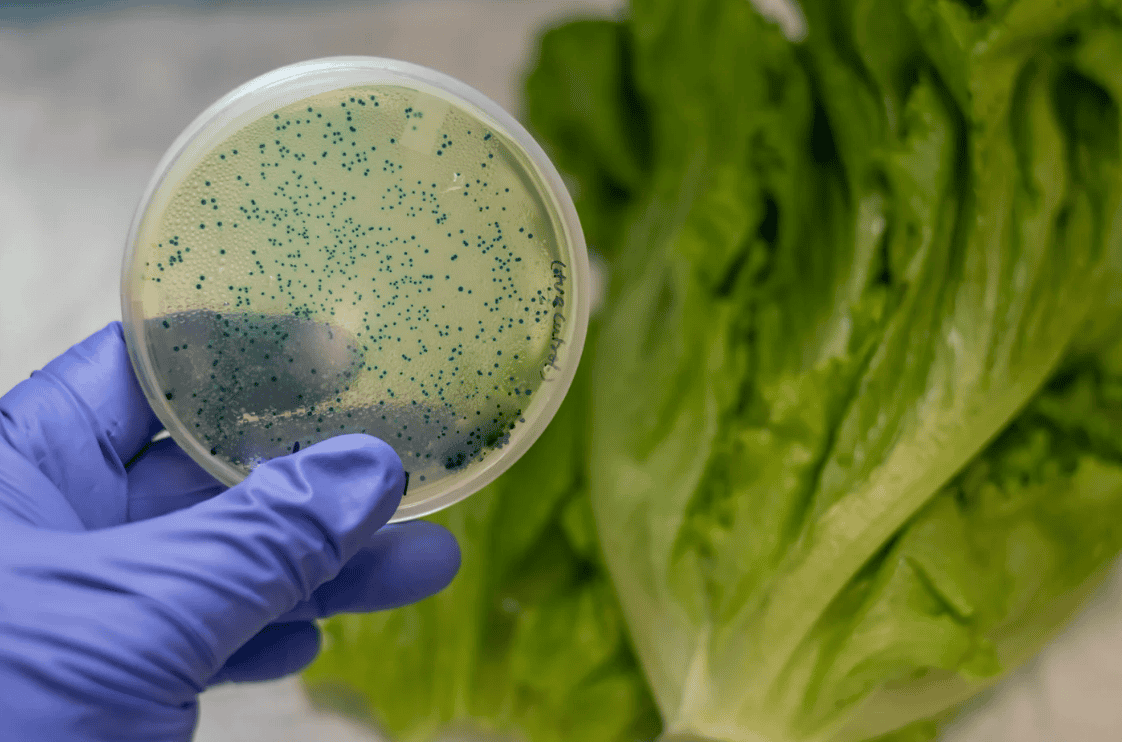
A severe E. coli illness can affect much more than a person’s stomach. While some cases improve with rest and fluids, others can lead to hospitalization, dehydration, kidney complications, long recovery periods, and lasting physical weakness. When the illness is serious, the harm may reach far beyond medical bills or missed work.
Non-economic damages focus on the personal impact of the illness, including pain, fear, emotional distress, lost enjoyment of life, and disruption to normal routines.
These losses can be harder to measure because they do not come with receipts or invoices. When severe foodborne illness is linked to contaminated food or an outbreak, an E. coli attorney may help victims understand how these personal losses may be documented.
Physical Pain Can Become a Major Part of the Claim
Severe E. coli illness can cause intense abdominal cramping, bloody diarrhea, vomiting, dehydration, and exhaustion. For some people, the pain may become so severe that they need emergency care or hospitalization.
The physical experience can be frightening, especially when symptoms worsen quickly or do not respond to ordinary home care.
Pain and suffering may include the discomfort during the active illness as well as pain connected to complications. A person may endure IV fluids, blood draws, kidney monitoring, dialysis, or other treatment depending on how serious the infection becomes. Even after discharge, lingering weakness or discomfort may continue to affect daily life.
Emotional Distress Can Follow a Medical Crisis
A severe E. coli illness can be emotionally overwhelming. A person may fear that their condition is getting worse, worry about organ damage, or feel helpless while waiting for answers. If the illness leads to hospitalization or intensive treatment, the emotional impact can be even greater.
Some victims may experience anxiety, panic, sleep problems, or distress when thinking about the contaminated meal.
They may also feel anger or frustration if the illness could have been prevented through safer food handling, proper sanitation, or faster recall action. These emotional effects can become part of the broader harm caused by the illness.
Loss of Enjoyment Can Affect Ordinary Life
Severe E. coli illness may interrupt activities that once brought comfort, independence, or happiness. A person may miss family events, vacations, school activities, hobbies, exercise, or social gatherings while recovering.
Even after symptoms improve, fatigue or fear of relapse may make it harder to return to normal life.
Loss of enjoyment is not always obvious to others. It may show up in small ways, such as avoiding restaurants, skipping meals with friends, or feeling too weak to participate in favorite routines.
These changes matter because they show how the illness affected the person’s quality of life, not just their medical condition.
Food Fear Can Last After the Illness Ends
Foodborne illness can change the way a person feels about eating. After a severe E. coli illness, someone may become afraid of certain foods, restaurants, grocery items, or shared meals.
They may check labels repeatedly, avoid foods connected to the illness, or feel anxious whenever stomach symptoms appear.
This fear can affect daily life in ways that are difficult to explain. Eating is part of family, culture, work, travel, and social connection.
When a person no longer feels safe around food, the emotional burden can continue long after the infection has cleared. That anxiety may be especially strong if the illness was linked to a widely reported outbreak.
Loss of Independence Can Be Deeply Frustrating
During a serious illness, a person may need help with basic activities such as bathing, dressing, cooking, cleaning, driving, or caring for children.
Weakness, dehydration, kidney issues, or fatigue can make ordinary tasks feel impossible. Depending on the severity, recovery may require weeks or months of support.
Losing independence can be one of the hardest parts of severe illness. A person who is used to caring for others may suddenly need care themselves.
This change can cause embarrassment, frustration, sadness, or stress within the household. These personal struggles may help show the human impact of the infection.

Family Relationships May Be Strained
Severe E. coli illness can affect the entire household. Family members may need to provide transportation, help with medical appointments, manage meals, care for children, or take time away from work. The emotional stress of watching a loved one suffer can also weigh heavily on spouses, parents, and caregivers.
The injured person may feel guilty about needing help, while family members may feel overwhelmed by new responsibilities.
Normal routines can be replaced by doctor visits, medication schedules, financial worries, and uncertainty about recovery. These relationship changes may support a broader understanding of non-economic harm.
Long-Term Uncertainty Can Create Lasting Stress
Some severe E. coli cases lead to complications that require ongoing monitoring. When kidney function, blood counts, or other health concerns are involved, the person may worry about future medical problems.
Even if recovery is expected, the uncertainty can create continuing stress.
This long-term concern may affect sleep, mood, work, parenting, and overall peace of mind. A victim may wonder whether symptoms will return or whether the illness caused damage that will appear later.
Non-economic damages can help recognize that the mental burden of a serious infection may continue even after the worst symptoms have passed.
Personal Losses Deserve Careful Documentation
Non-economic damages can be difficult to prove because they are personal and often invisible. Medical records may show the diagnosis and treatment, but they may not fully explain the fear, pain, lost confidence, or daily disruption caused by the illness. That is why detailed documentation can be important.
Victims may benefit from keeping notes about symptoms, emotional struggles, missed activities, food fears, sleep problems, and ways the illness affected family life.
Statements from relatives, friends, teachers, coworkers, or caregivers may also help describe the changes they observed. Severe E. coli illness can leave lasting personal harm, and those losses deserve to be taken seriously.