


If you’ve spent years squinting at alarm clocks or fumbling for your glasses before you can even get out of bed, you’re not alone, not even close. Millions of adults rely on corrective lenses every single day.
But a growing number are reaching a point where they’re just done with it. Across the country, and right here in Indianapolis, people are exploring permanent vision correction, and one procedure keeps coming up in those conversations: PRK.
LASIK has been the household name in laser eye surgery for decades, and that reputation is well-earned. But PRK (photorefractive keratectomy) has been quietly building a strong following of its own especially among adults who don’t qualify for LASIK, or who simply want something that fits their specific eyes a little better. So what’s actually driving this renewed interest? Let’s get into it.
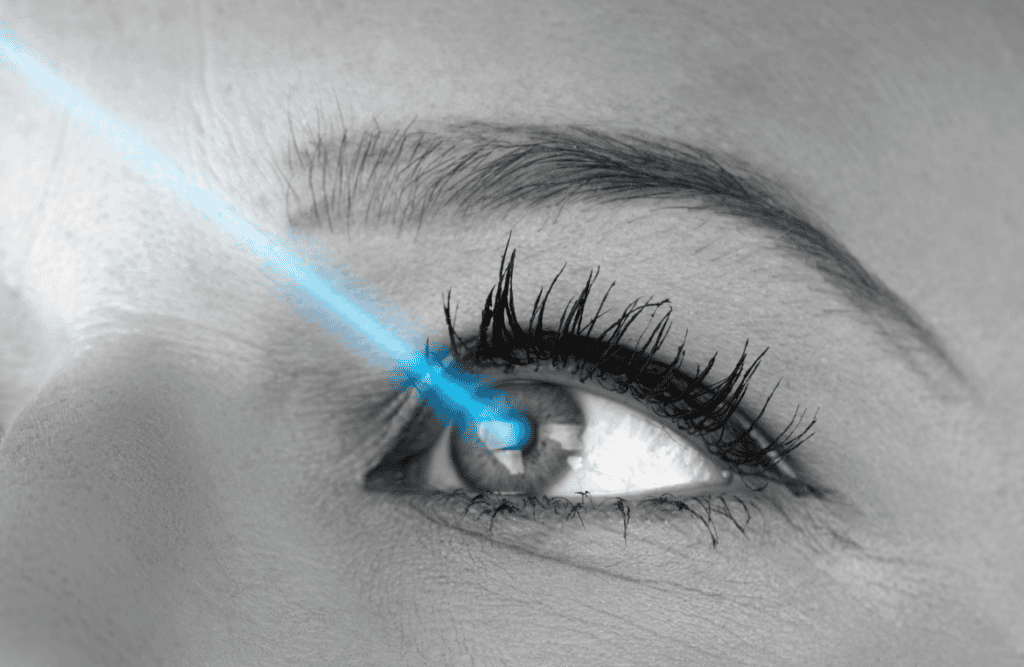
What Exactly Is PRK, and How Does It Work?
PRK is a laser vision correction surgery that reshapes the cornea to change how light focuses on the retina. The key difference from LASIK? No flap. Instead of cutting a thin flap in the cornea first, PRK works directly on the corneal surface after gently removing the outer epithelial layer. That layer grows back on its own and for many patients, that’s actually one of the more appealing parts of the whole thing.
The results are permanent. PRK reshapes the corneal tissue itself, so your prescription is corrected at a structural level. Recovery takes a bit longer than LASIK, typically one to two weeks for clear vision, with full stabilization over a few months but for a lot of patients, that trade-off is completely worth it.
Who Is a Good Candidate for PRK?
This is where PRK really earns its place. One of the biggest reasons it’s gained traction is that it opens the door for patients who simply aren’t good LASIK candidates. Thin corneas, for example, make the flap creation required for LASIK unsafe but PRK sidesteps that issue entirely. That alone makes it viable for a meaningfully wider pool of people.
PRK is also frequently recommended for people with active lifestyles or higher-risk jobs — military personnel, contact sports athletes, professions where physical impact is just part of the deal. With no flap involved, there’s nothing to get dislodged later on. That structural security is a big deal for a lot of adults, and it’s a factor that doesn’t always get enough attention in these conversations.
Finding the Right Provider Makes All the Difference
Any surgical procedure lives or dies by the experience of the team performing it. That’s not meant to be dramatic, it’s just true, and it matters more here than in most medical decisions.
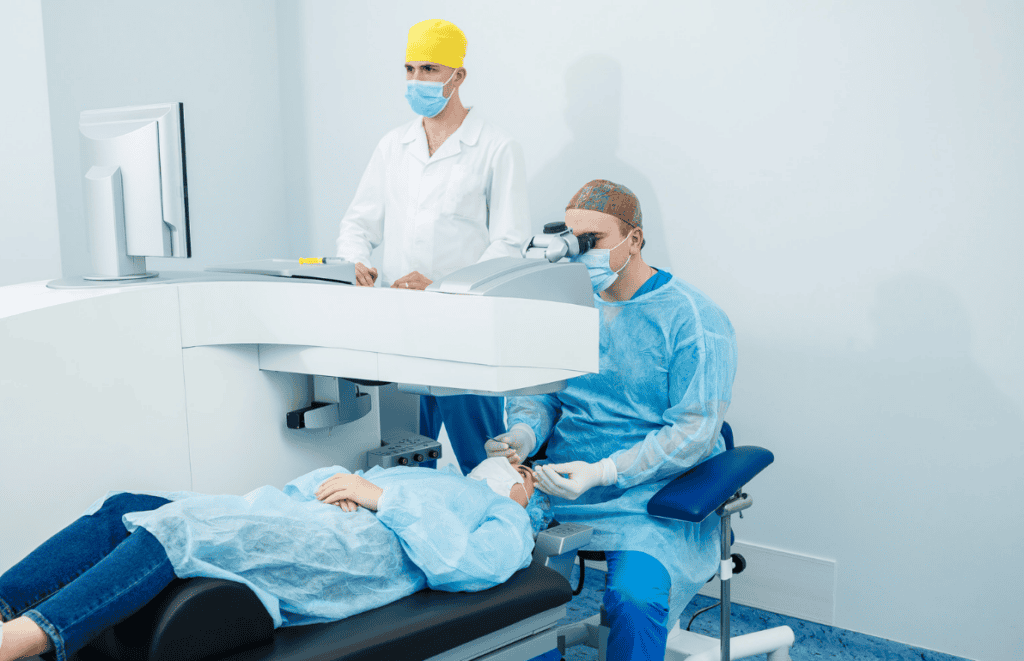
Adults researching PRK Indianapolis will find that the right surgical team walks you through everything whether you’re actually a good candidate, what the day-of experience looks like, what recovery realistically involves. None of that should be a mystery going in.
Eye Surgeons of Indiana offers personalized consultations to help patients understand their options and set realistic expectations for both the procedure and the recovery process.
What Do the Numbers Actually Say?
Anecdotal stories are nice, but the clinical data is what really tells the story. According to the American Academy of Ophthalmology, studies show PRK achieves 20/40 vision or better in over 90% of patients and many land at 20/20 or sharper. Patient satisfaction rates are consistently high, and complication rates stay low when a qualified surgeon is doing the work.
PRK isn’t a new or experimental technology. It has decades of real-world results behind it, and that track record is a big part of why more adults are giving it serious consideration rather than defaulting to whatever they’ve heard the most about.
What Should You Expect During Recovery?
Let’s be upfront: PRK recovery is more involved than LASIK recovery, and any provider worth their salt will tell you that in the first conversation. The first few days can bring some discomfort, light sensitivity, and blurry vision while your epithelium heals. Most patients start seeing significantly clearer within a week, with full stabilization coming over a few months.
The recovery is manageable but only if you actually plan for it. That means taking time off work, lining up someone to drive you, staying consistent with the prescribed eye drops, and giving your eyes a real break from screens when needed.
Patients who go in prepared tend to have a much smoother experience. Patients who don’t? They’re usually the ones who end up surprised by something they could have seen coming.
Why Are Adults Specifically Making This Choice Now?
Something has genuinely shifted in how adults think about their long-term health and quality of life. It’s less about managing symptoms and more about finding real, lasting solutions.
Contact lens discomfort, the ongoing cost of glasses and lenses, the annoyance of dealing with all of it during travel or sports adds up. At some point, a lot of adults do the math and decide that a permanent fix just makes more sense.
There’s also a growing awareness that PRK and LASIK aren’t interchangeable, and that the “best” option is the one that actually fits your eyes and your life — not just the most recognizable name. More people are coming into consultations with better questions, and that’s a good thing all around.
Conclusion
PRK has earned its reputation as a trusted, effective choice for adults who are ready to move past glasses and contacts for good. Whether you’re drawn to it because LASIK isn’t an option for you, because your lifestyle calls for something more structurally secure, or because you just want to understand all of your options before committing to anything PRK deserves a real place in that conversation.
The technology is proven, the outcomes are strong, and the right provider makes the whole process feel a lot less daunting. If permanent vision correction has been sitting on your to-do list, a consultation is a low-stakes way to get honest answers about whether PRK actually makes sense for you.