

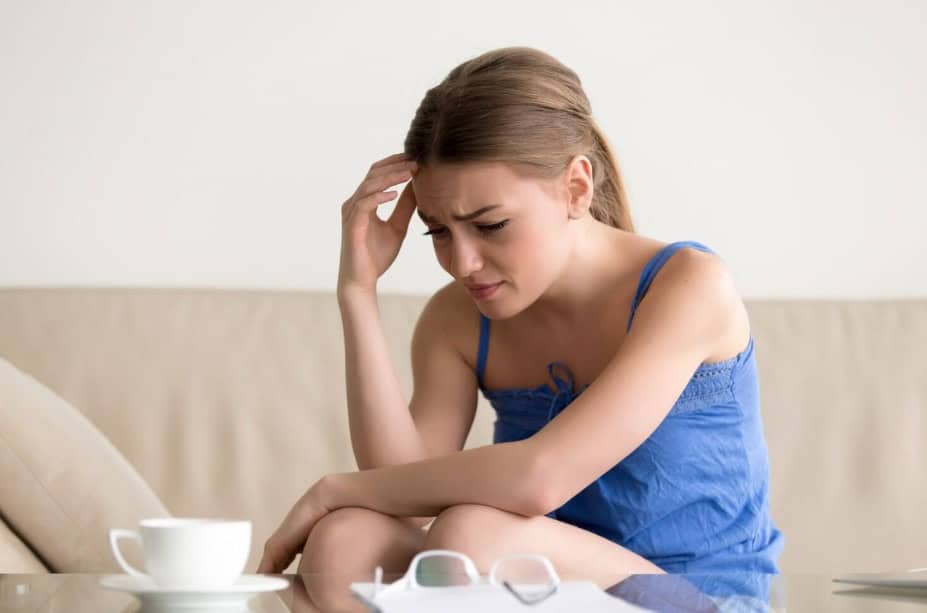
The physical symptoms of anxiety include a racing heart, tight chest, shortness of breath, nausea, and muscle tension, all triggered by your body’s stress response. The World Health Organization classifies anxiety disorders as the most common mental health condition worldwide, affecting over 300 million people.
This guide explains how anxiety affects the body system by system, covering the nervous, cardiovascular, respiratory, and digestive changes behind common symptoms. It also covers how to relieve chest tightness from anxiety using breathing techniques backed by clinical research.
How Anxiety Affects the Body
Anxiety affects the body through the sympathetic nervous system, your body’s built-in alarm. When your brain senses a threat, real or imagined, it floods your bloodstream with adrenaline and cortisol within seconds. This single response explains nearly every physical symptom linked to anxiety, from a pounding heart to an upset stomach.
Nervous System Activation
Your amygdala, the brain’s threat detector, triggers the fight-or-flight response the moment it senses danger. This activates your hypothalamic-pituitary-adrenal (HPA) axis, releasing cortisol and adrenaline into your bloodstream within seconds. Brain imaging research shows people with anxiety disorders have measurably higher amygdala activity, which helps explain why their physical symptoms of anxiety feel so intense.
Your senses sharpen, your pupils dilate, and your attention narrows, which is why anxious moments often feel intensely vivid. This nervous system activation is the root cause behind nearly all physical symptoms of anxiety. Once you understand this single trigger, the racing heart, tight chest, and stomach upset described below start to make a lot more sense.
Cardiovascular System
Adrenaline makes your heart beat faster and harder, pushing blood toward your muscles for quick action. This causes the racing heart, palpitations, and occasional chest tightness that many people mistake for a heart problem. Blood pressure rises at the same time, since your vessels constrict to redirect blood flow.
Chronic anxiety keeps this system activated longer than it should be, according to NIH-published research on the fight-or-flight response. Persistent activation strains the cardiovascular system over months and years, which is one reason doctors take frequent anxiety-related chest symptoms seriously.
A racing heart during anxiety usually settles within 20 to 30 minutes once cortisol and adrenaline clear your bloodstream. If chest pain radiates to your arm or jaw, or lasts longer than that window, treat it as a medical emergency rather than assuming it is anxiety.
Respiratory System
Anxiety speeds up your breathing rate and often makes breaths shallower, a pattern called hyperventilation. This can lower carbon dioxide levels in your blood, causing dizziness, tingling in your hands, or a choking sensation.
The NIH’s StatPearls resource lists rapid breathing and chest pressure among the core physiological symptoms of anxiety disorders. This pattern often peaks during a panic attack, when breathing can climb to 20 or more breaths per minute compared to a normal resting rate of 12 to 16. Learning to slow your breathing directly counters this response, which is why breathing exercises are a first-line coping tool.
Digestive System
Your sympathetic nervous system slows digestion during a stress response, redirecting blood away from your gut toward your muscles. This causes nausea, stomach cramping, and appetite changes during anxious periods. Chronic anxiety is also linked to irritable bowel syndrome, since gut and brain signals travel in both directions.
Anxiety can cause diarrhea in some people and constipation in others, depending on how their gut reacts to stress hormones. These digestive symptoms often improve once the underlying anxiety is addressed directly.
Common Physical Signs of Anxiety
Physical signs of anxiety cluster into predictable patterns because they all stem from the same stress hormone surge. Most physical signs peak within minutes and fade as cortisol and adrenaline clear from your bloodstream.
Common physical signs include:
- Racing or pounding heart, sometimes felt as skipped beats or chest flutters
- Chest tightness or pressure, often mistaken for a cardiac event
- Shortness of breath, ranging from mild to a choking sensation
- Muscle tension, especially in the shoulders, jaw, and neck
- Sweating or hot flashes, even without physical exertion
- Trembling or shaking hands
- Nausea or an upset stomach
- Dizziness or lightheadedness
- Fatigue, particularly after a prolonged anxious episode
- Headaches, often tension-related from clenched jaw and neck muscles
A 2023 Cleveland Clinic review notes that these symptoms occur on a spectrum. Occasional anxiety triggers a few of these physical signs of anxiety briefly, while an anxiety disorder produces them frequently and without an obvious trigger.
Breathing Exercises for Anxiety Relief
Breathing exercises for anxiety relief work by activating your vagus nerve and parasympathetic nervous system, the body’s natural brake on the stress response. Clinical studies show that slow, controlled breathing lowers cortisol and heart rate within minutes. These four techniques are simple, free, and backed by published research.
Diaphragmatic Breathing
Diaphragmatic breathing, also called belly breathing, uses your diaphragm instead of shallow chest breaths. Place one hand on your chest and one on your stomach. Breathe in slowly through your nose so your stomach rises while your chest stays still, then exhale slowly through your nose.
A controlled trial found that eight weeks of diaphragmatic breathing training lowered participants’ cortisol levels and reduced negative mood compared to a control group. Practicing 5 to 10 minutes daily builds this skill so it works faster during anxious moments.
Box Breathing
Box breathing follows a simple four-count pattern: inhale for 4 seconds, hold for 4 seconds, exhale for 4 seconds, hold for 4 seconds. This technique is used by military personnel and first responders to stay calm under pressure. A 2017 study found reduced cortisol levels in participants who practiced box breathing and similar diaphragmatic techniques.
Repeat the four-count cycle for 2 to 5 minutes when you notice anxiety symptoms rising. The rhythmic counting also gives your mind a task to focus on, which interrupts anxious thought loops. Because it requires no equipment or special posture, box breathing works well at a desk, in a car, or standing in line.
4-7-8 Breathing Technique
Developed by physician Andrew Weil, this technique involves inhaling through your nose for 4 seconds, holding your breath for 7 seconds, and exhaling forcefully through your mouth for 8 seconds. Clinical trials on the 4-7-8 technique show measurable drops in anxiety scores and improved sleep quality after regular practice.
Limit this exercise to 4 cycles when starting out, since the extended breath hold can feel intense at first. Most people find it especially useful before bed, when anxious thoughts tend to spike.
Slow Nasal Breathing
Breathing slowly through your nose, rather than your mouth, naturally slows your breathing rate and increases carbon dioxide tolerance. This directly counters the hyperventilation pattern common during anxiety. Aim for about 6 breaths per minute, roughly a 5-second inhale and 5-second exhale.
Nasal breathing also filters and warms the air, and research links slower nasal breathing rates to reduced sympathetic nervous system activity. This makes it one of the simplest ways to relieve chest tightness from anxiety without any special training or a quiet, private space to practice.
FAQs
How does anxiety affect the body physically?
Anxiety affects the body, starting with adrenaline and cortisol release, which raises heart rate, tenses muscles, and slows digestion. These changes produce chest tightness, rapid breathing, nausea, and fatigue.
Why does anxiety make my heart race?
Adrenaline signals your heart to pump faster and harder, preparing your muscles for quick action. This is one of the most common physical symptoms of anxiety, and it usually passes within 20 to 30 minutes as stress hormones clear.
What breathing exercises help relieve anxiety?
The most effective breathing exercises for anxiety relief are box breathing, 4-7-8 breathing, and diaphragmatic breathing, since all three activate your vagus nerve and lower cortisol quickly. Practice any technique for 5 minutes at the first sign of symptoms.
Can anxiety cause digestive problems?
Yes. Anxiety slows digestion and can trigger nausea, cramping, diarrhea, or constipation within the same day symptoms start. Chronic anxiety is strongly linked to irritable bowel syndrome through direct gut-brain nerve signaling.
How long do physical anxiety symptoms last?
Acute physical signs of anxiety from a single stress response typically fade within 20 to 60 minutes. Symptoms from generalized anxiety disorder can persist for weeks without proper treatment or coping strategies.
When should I seek medical care for anxiety symptoms?
Seek immediate care for chest pain, severe shortness of breath, or a racing heart lasting over an hour. Breathing exercises for anxiety relief help with mild symptoms, but they are not a substitute for emergency evaluation.
Can anxiety mimic other medical conditions?
Yes. The physical symptoms of anxiety closely resemble heart attacks, asthma attacks, and thyroid disorders. A doctor should rule out these conditions before attributing chest pain or breathlessness to anxiety alone.
What is the best treatment for physical symptoms of anxiety?
Cognitive behavioral therapy, breathing exercises, and, when needed, medication offer the strongest combined evidence for treating physical symptoms of anxiety. A doctor or therapist can build a treatment plan matched to your specific symptoms and severity.
Sources
- World Health Organization: Anxiety Disorders Fact Sheet
- Cleveland Clinic: 10 Signs You May Have Anxiety
- Cleveland Clinic: Hyperarousal
- NCBI StatPearls: Anxiety
- Mayo Clinic Health System: Anxiety Types and Self-Care Tips
- Harvard Health Publishing: Understanding the Stress Response
- WebMD: Physical Symptoms of Anxiety
- PMC: The 4-7-8 Breathing Exercise Technique on Tinnitus Handicap, Psychological Factors, and Sleep Quality
- ResearchGate: Diaphragmatic Breathing Effects on Cognition, Affect, and Cortisol
- Othership: Box Breathing Techniques, Benefits, and Research