

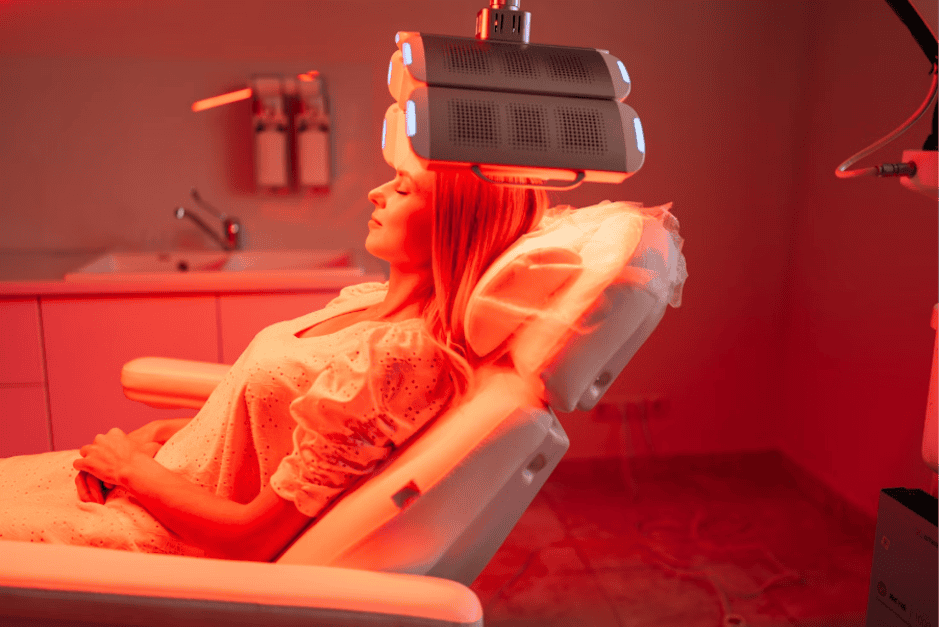
Red light therapies are becoming popular among individuals wishing to integrate them into their health, recovery and wellness practices at home. These devices operate on certain wavelengths of red and near-infrared light that can help in various processes of the body and are therefore often used by a wide range of users with diverse objectives. However, understanding the potential benefits is important before deciding whether a red light therapy device is the right choice for you.
From supporting cellular energy and exercise recovery to improving skin health and maintaining tissue function, red light therapy offers several areas of potential support. By understanding what these benefits are, you may be in a better position to realize how these devices can be incorporated into your routine. Or if, according to light therapy experts like Nick Urban sometimes point out, they belong in your routine at all.
This article discusses five major advantages of red light therapy devices that every customer needs to be aware of before settling on a solution that best suits them.
1. Supports Cellular Energy for Better Daily Recovery
One of the first things you should understand about red light therapy is how it works inside your body.
Your cells require energy to carry out daily activities, and mitochondria contribute significantly to energy generation. Red and near-infrared light may interact with these energy-producing structures through a process called photobiomodulation.
Imagine mitochondria as miniature sources of power within your cells. They assist in the production of ATP, which is the source of energy that your cells need to operate. Red light therapy devices assist your cells in sustaining the energy required to perform daily functions, maintain, and recover by aiding mitochondrial activity.
So, when you are choosing a device, it is important to look beyond simple product claims and focus on real performance details. To make the selection process easier, you can use Outliyr’s comparison table to compare red light therapy devices based on important factors like irradiance, wavelengths, EMF levels, and other technical specifications. This comparison helps you understand device performance and make a smarter choice using reliable data from standardized testing methods.
2. Improves Skin Health Through Collagen Support
Healthier-looking skin is another common reason people explore red light therapy. With age, your body naturally makes less collagen, a protein that makes your skin firm, strong, and elastic. This is why many people consider red light therapy a way to support their skin’s natural processes.
Red light can stimulate the activity of skin cells and facilitate natural regeneration. Through frequent application, it can aid in the enhancement of fine lines, irregular texture, and dull skin complexion. However, your results can depend on factors like your skin condition, lifestyle, and the device you choose.
In addition, your skincare goals should also guide your device choice. A smaller device can be effective in specific regions, whereas a larger panel can be effective with broader coverage. Understanding what you want to achieve can help you choose a device based on your needs rather than only focusing on price.
3. Speeds Up Muscle Recovery and Reduces Exercise-Related Soreness
After a demanding workout, sore muscles can make your next training session feel more difficult. Whether you lift weights, run, or play sports, giving your body enough time and support to recover is important. Red light therapy is often used by active people because it may help support recovery after physical stress.
During exercise, your muscles experience strain that requires time to recover and return to normal function. Red and near-infrared wavelengths may interact with muscle cells and support natural recovery processes. This may help you manage post-workout discomfort and maintain consistency with your fitness routine.
However, red light therapy works best when combined with other recovery habits. Quality sleep, proper nutrition, hydration, and rest days are still essential for muscle health. When choosing a device, consider factors like treatment area and light output to find an option that matches your fitness goals.
4. Supports Joint Comfort and Easier Movement
Stiff or uncomfortable joints can affect how easily you move through your daily activities. For people looking for a non-invasive way to support joint wellness, red light therapy may offer another option to consider as part of a healthy lifestyle.
Red and near-infrared light can reach below the skin’s surface and may influence cellular activity in treated areas. Research suggests this type of light exposure may support a healthy inflammatory response and normal tissue function. However, results can vary depending on your body, condition, and consistency of use.
The device you choose should match how you plan to use it. A targeted option may work better for specific areas, while a larger device may provide wider coverage. Combining red light therapy with regular movement and healthy habits can help create a more complete approach to joint support.
5. Helps Maintain Healthy Tissue Recovery
Your body is constantly working to maintain and repair tissues affected by everyday movement and stress. If you want to support your body’s natural recovery abilities, red light therapy may be a helpful tool to consider as part of your wellness routine.
Red and near-infrared light may support normal cellular activity involved in tissue maintenance and recovery. This can be useful for areas affected by everyday wear and tear, physical activity, or minor stress. However, red light therapy should support your wellness approach rather than replace professional medical care when needed.
By supporting healthy cellular activity, red light therapy may help your body maintain its natural ability to respond to everyday physical demands. Whether your body is dealing with regular movement, exercise, or daily strain, this type of light therapy may provide additional support for long-term tissue health.
Find the Right Red Light Therapy Device for Your Goals
Red light therapy devices can offer several benefits, from supporting cellular energy and skin health to helping with muscle recovery, joint comfort, and tissue maintenance. Understanding these benefits can help you decide whether this technology matches your personal wellness goals.
Before buying a device, focus on the features that matter most for your needs, such as wavelengths, performance details, and treatment coverage. A better understanding of what these devices offer can help you make a more informed choice.