

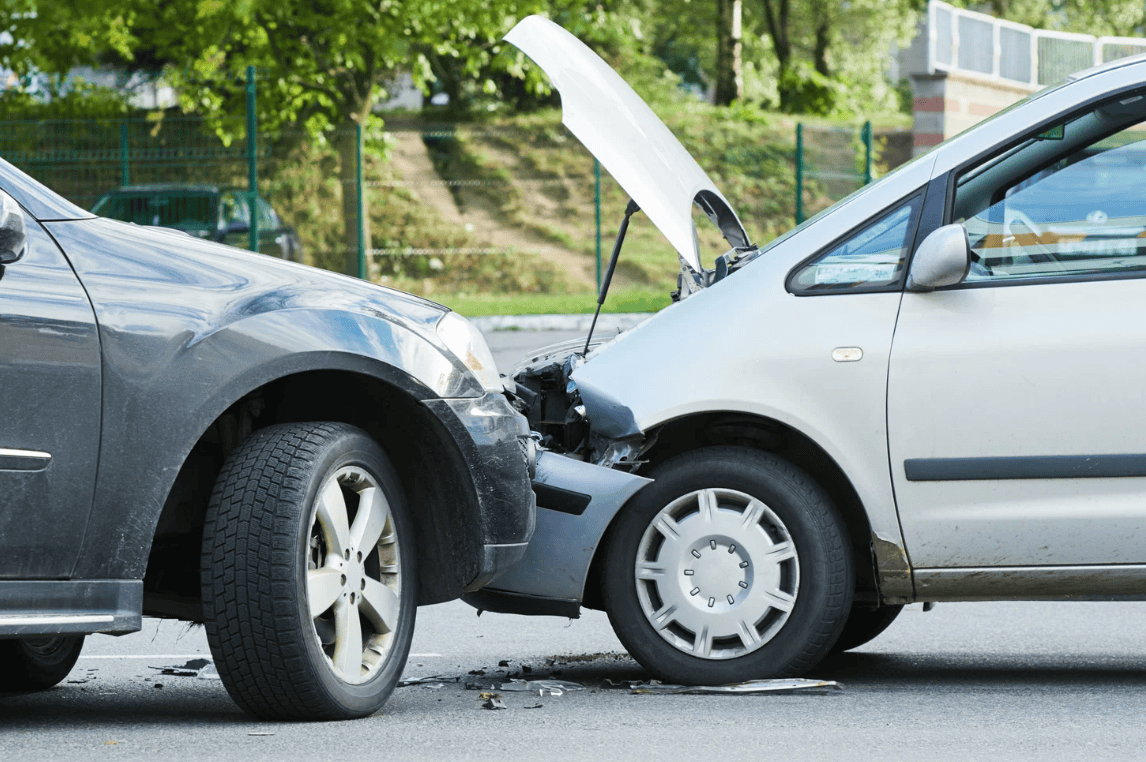
Learning to drive requires practice in real traffic, where a beginner may encounter unfamiliar intersections, impatient motorists, and decisions that cannot be rehearsed in a classroom. A hesitation at a stop sign or a poorly judged turn can cause a collision, even with an experienced adult riding beside the learner. Afterward, questions arise about the driver’s permit, the supervising adult, and the vehicle’s insurance.
In Waco, these crashes are evaluated under ordinary traffic laws alongside Texas’s special learner-license requirements. An injured motorist may consult a Waco car accident attorney to examine the driver’s conduct, supervision arrangements, and available coverage. Understanding each issue helps distinguish beginner inexperience from the evidence needed to establish legal responsibility.
A Learner License Comes With Specific Conditions
Texas Transportation Code § 521.222 generally permits a learner license for eligible drivers ages 15 through 17. The holder must carry the license and be accompanied in the adjacent seat by someone licensed for that vehicle type who is at least 21 and has at least one year of driving experience.
The Texas Department of Public Safety also prohibits learner drivers from using cellphones while driving, including hands-free use, except in emergencies. Investigators may verify the license status and whether those conditions were met. A permit does not exempt its holder from stop-sign, yielding, speed, or lane-control requirements.
A Supervising Adult Has an Active Responsibility
The accompanying adult is not simply another passenger. Section 521.222 prohibits that person from sleeping, being intoxicated, or engaging in activity that prevents observing and responding to the learner’s actions. An adult looking at a phone instead of monitoring an approaching intersection may raise questions about whether supervision complied with the statute.
Still, the presence of an adult does not automatically make that person liable for the learner’s every mistake. An investigation must establish what the supervisor could observe, what response was possible, and whether any legally wrongful conduct contributed to the crash.
Inexperience Can Explain a Mistake Without Excusing It
New drivers may misjudge a gap, brake late, or focus so closely on one hazard that they overlook another. The Centers for Disease Control and Prevention identifies inexperience as a significant teen-driving risk. But a collision involving a beginner is not proof that the learner caused it; other drivers may have violated traffic laws too.
Investigators reconstruct the sequence using road markings, impact locations, witness accounts, and available video. They may consider whether a learner failed to yield or whether another motorist was speeding. The explanation must fit the actual roadway conditions, not assumptions about the driver’s age.
A Parent Is Not Automatically Responsible for the Crash
Parents often own the training vehicle and may supervise practice, but Texas does not impose automatic liability solely because their child was driving. A claim against an owner may involve negligent entrustment, which requires evidence that the owner knowingly entrusted a vehicle to an unlicensed, incompetent, or reckless driver and that the negligent driving caused harm.
The Texas Supreme Court addressed these requirements in Schneider v. Esperanza Transmission Co. A valid learner license used under its lawful conditions is not, by itself, proof of incompetent driving or negligent entrustment. The circumstances of the permission and any known risks require independent examination.
Insurance Questions Depend on the Actual Policy
A family automobile policy may provide coverage for a permitted learner, but coverage cannot be assumed merely because the vehicle belongs to a parent. The Texas Department of Insurance advises families to notify their insurer when a teenager begins learning to drive. Failing to disclose a young driver can create serious coverage and renewal problems.
After a collision, adjusters may ask who owned the vehicle, who authorized its use, and whether the learner met license restrictions. The policy’s definitions, exclusions, and declarations determine which protections apply. Injured people can request relevant insurance information without assuming the teen has a separate policy.
Evidence Should Capture Both Driving and Supervision
The accident scene may establish how the vehicles collided, but additional information can show whether the learner was properly supervised. Depending on what exists, investigators may seek:
- The learner’s license and the supervising adult’s credentials
- Witness descriptions of the driver’s movements
- Statements identifying the adult seated beside the learner
- Dashboard-camera or intersection surveillance recordings
- Photographs of signals, signs, lane markings, and vehicle damage
- Insurance documents and vehicle ownership information
Evidence should be collected without speculation. A passenger’s presence is relevant, but it does not establish that the person was distracted or could have prevented the collision.
Fault May Involve More Than One Driver
Texas Civil Practice and Remedies Code Chapter 33 governs proportionate responsibility in covered claims. Section 33.001 generally prevents a claimant from recovering when their percentage of responsibility exceeds 50%; § 33.012 reduces recoverable damages by the claimant’s assigned share when recovery remains available.
This matters when a learner enters an intersection incorrectly, but another driver was traveling too fast to react. Investigators examine each person’s conduct instead of treating a permit holder as automatically at fault. Licensing violations may be relevant evidence, but causation and responsibility remain separate questions.
The Immediate Steps Afterward Still Apply
Under Texas Transportation Code Chapter 550, drivers involved in qualifying collisions must stop, provide required information, and render reasonable assistance to injured people. If anyone needs urgent treatment, call emergency services. Learner status does not eliminate these duties, and the supervising adult can help communicate with responders.
After addressing safety, motorists can preserve photographs, witness contacts, medical records, and the crash report details. Families should promptly notify their insurer and avoid giving uncertain explanations as facts. Early documentation can clarify what happened before memories fade or recordings disappear.
Experience Matters, but the Evidence Decides
A learner-driver collision is not resolved merely by identifying the youngest person behind the wheel. Texas law sets conditions for supervised practice, while ordinary negligence and insurance questions still require a fact-specific assessment.
The most useful investigation separates three issues: how the crash occurred, whether supervision complied with the law, and which parties or policies may respond to resulting losses. That approach protects injured motorists from assumptions and gives families a clearer understanding of the consequences of a learning-stage accident.