


We usually talk about aging in terms of physical health, right? We focus on creaky joints, heart health, and what’s on the dinner plate. But the psychological side of getting older is just as complex.
And honestly, aging and home support deserve much more of our attention. You know, I’ve often sat and thought about how much we ignore the internal world while focusing on the external.
For most of us, moving into the later stages of life brings a pretty deep shift in identity. It’s a season marked by reflection, but also by the tricky challenge of holding onto autonomy while learning to accept new kinds of support.
How do we keep our sense of self when everything else seems to be changing? Sometimes, it feels like trying to hold onto water with your bare hands.
The Identity Shift in Later Life
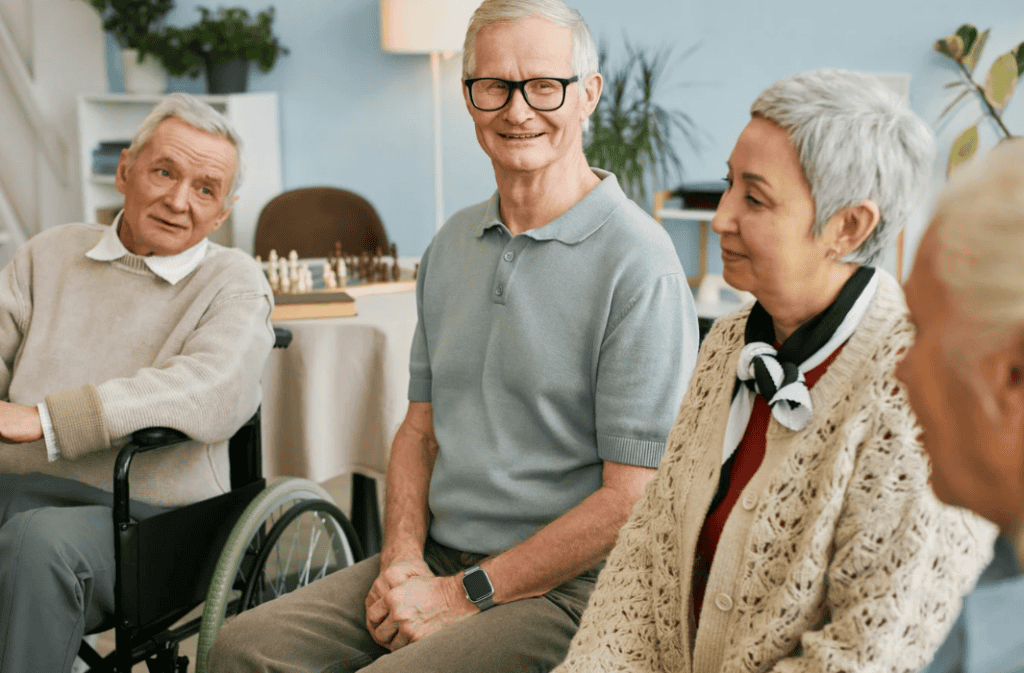
One of the biggest mental hurdles as we age is the shift in how we see ourselves. For decades, our identities have been wrapped up in our jobs, being parents, or staying active in the neighborhood.
But what happens when the office door closes for the last time?
When retirement hits or when physical limits start changing the daily routine, it can spark a real crisis of purpose. I guess that’s why so many people feel a bit lost at first.
Psychologists often talk about “generativity,” that basic human need to feel like we’re still contributing to the world and the people coming up behind us. When that’s interrupted, it’s easy for feelings of isolation to creep in. Honestly, it’s a heavy thing to carry. Navigating this takes a lot of emotional resilience.
It’s about finding new ways to connect and redefining what a “good day” actually looks like.
The Role of Social Connection
We’re wired for connection. It’s just how we’re built. As we get older, the risk of becoming socially isolated increases because of factors like losing friends or not being able to get around as easily.
From a psychological perspective, isolation isn’t just a “lonely feeling.” It has a massive, tangible impact on brain health and emotional stability. I’ve seen it happen, the spark in someone’s eyes starts to dim when they aren’t around people who know their story.
So, how do we stay plugged in?
Keeping a solid social circle is one of the best ways to protect yourself against depression. This is where aging and home support becomes so vital. It isn’t just about finding someone to help with the grocery shopping. And that’s the point. It’s about having a network that sees your value and keeps you engaged with the world.
Integrating Support Without Losing Autonomy
One of the toughest conversations a family can have is about bringing in outside help. There’s usually this deep-seated fear that accepting a hand means giving up your independence entirely. I’ve felt that resistance myself in smaller ways, so I can only imagine the weight of it here.
But the psychological reality is often the exact opposite.
When you’ve got the right support in place, it actually frees up your mental energy. You’re no longer exhausted by the small things, like the hum of the laptop at midnight while you’re trying to figure out a schedule, so you can focus on the people and hobbies you actually love.
For families looking at aging and home support, the goal is always to find a balance that keeps dignity front and center. For instance, people looking into professional senior care in Dallas often find that having that local, reliable support helps bridge the gap. Maybe it’s just about having one less thing to worry about.
It takes the burden of daily logistics off their shoulders, significantly boosting the mental well-being of both the senior and their family.
Addressing Caregiver Stress
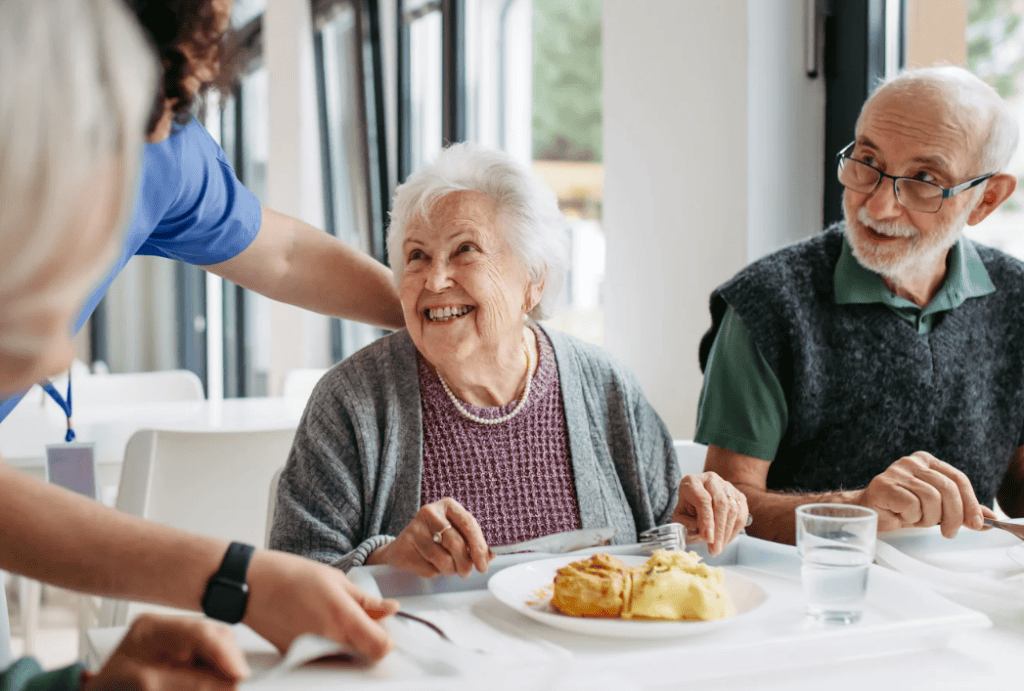
You can’t really talk about the psychology of aging without talking about the people doing the caregiving. Family members often take on so much that they hit “compassion fatigue.” It’s a real state of total exhaustion where it becomes hard to feel positive about the role anymore. You know, you can’t pour from an empty cup.
To keep the family dynamic healthy, caregivers have to be honest about their own limits. Using professional resources isn’t a sign of failure. It’s actually a smart, strategic choice to make sure your relationship stays focused on love and connection, rather than just the heavy lifting of daily chores. Have you ever considered that asking for help might be the kindest thing you can do for your relationship?
Cognitive Health and Mental Stimulation
Keeping the mind active is a cornerstone of mental health in our later years. Staying engaged, whether that’s through reading, picking up a new skill, or just having a good, long talk, helps keep those neural pathways firing. Plus, it just feels good to accomplish something.
Where you live and spend your time matters a lot here. Being in a space that feels safe and interesting makes a world of difference. When the environment is handled well, the mind is free to stay sharp. That’s why specialized support systems work so well. They take care of the “housekeeping” of life so the individual can focus on their own growth. It’s about creating room to breathe.
Cultivating a Positive Outlook
The story of aging is usually told as a list of things we lose. But many people find that their later years are actually a time of “emotional mastery.” With age comes a much better ability to handle emotions and a clearer view of what’s actually important. I think there’s a quiet beauty in that.
Focusing on these strengths makes the transition much more graceful. It’s about leaning into the wisdom you’ve spent a lifetime earning. And that’s the point when we see aging as just another phase of growing up, rather than an ending, that mental burden gets a lot lighter.
Conclusion
Aging is a deeply personal journey, but it definitely shouldn’t be a lonely one. By understanding the mental shifts happening under the surface, we can better prepare ourselves and the people we love.
Whether it’s through staying social, finding professional support, or keeping the mind busy, the goal is always the same: a life full of dignity, purpose, and real emotional health. We’re all just figuring it out as we go, right?