

Few baby purchases get used as often as a high chair. From the first spoonful of puree to messy toddler dinners with the whole family, it becomes the center of mealtime for years. Because it feels like such a straightforward piece of furniture, many parents pick one quickly, set it up, and never think twice about how it is being used. Yet small oversights with seating can lead to spills, frustrated babies, wobbly posture, and, in some cases, avoidable injuries.
The good news is that most high chair problems are easy to prevent once you know what to watch for. This article looks at the most common mistakes parents make, from choosing the wrong model for their space to skipping the harness for “just a quick snack.” Each section explains why the mistake matters and what to do instead, so you can build safe, relaxed mealtime habits from the very first bite. Whether you are shopping for your first chair or rethinking the one you already own, these points will help you get more comfort and safety out of every meal.
Choosing a Chair for Looks Instead of Everyday Life
Scrolling through photos of beautifully styled kitchens, it is tempting to choose a chair based on color or design alone. Appearance matters, especially if the chair will live in your dining area for years, but a baby high chair earns its place through function. Before deciding, think about how your family actually eats and how much space you really have.
Overlooking Your Kitchen Layout
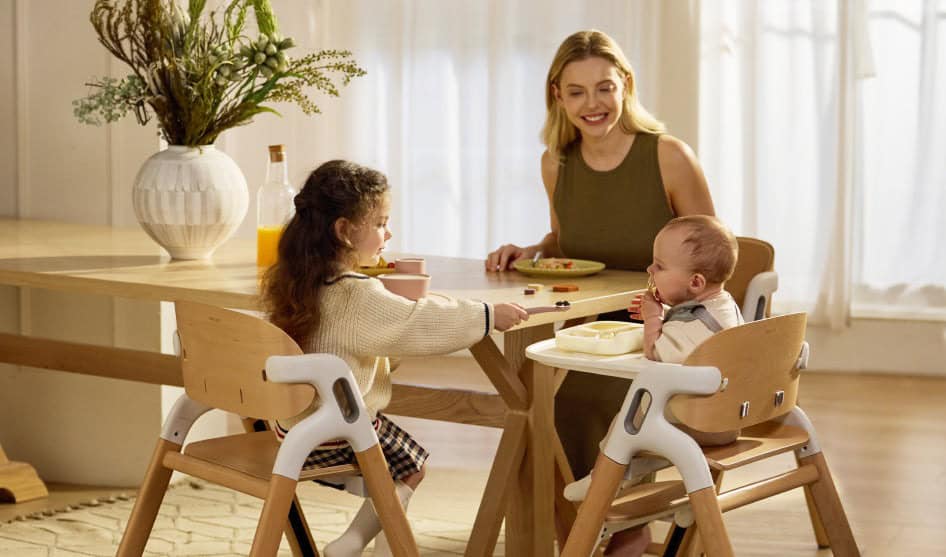
A wide-legged chair may be very stable, but it can become a tripping hazard in a narrow galley kitchen. Measure the area where the chair will sit and consider whether you will need to move it around often. Foldable or compact designs suit smaller homes, while families with more room may prefer a chair that pulls right up to the dining table so the baby can join in.
Forgetting About Cleanup
Fabric seams, deep crevices, and fixed padded covers trap crumbs and yogurt in ways you will not notice until something starts to smell. Look for smooth surfaces, removable trays that fit in the sink or dishwasher, and seat pads that wipe clean or come off for washing. The easier the chair is to clean, the more likely you are to keep it hygienic every day.
Starting Solids Before Your Baby Can Sit Well
Many parents feel eager to introduce solids, and some set up the high chair long before their baby has the core strength to use it. Pediatric guidance generally points to around six months as the time to start, but readiness is about development rather than the calendar. A baby who is ready can hold their head steady, sit upright with minimal support, show interest in food, and move food toward the back of the mouth instead of pushing it out with the tongue.
Placing a baby in a chair before they can sit well often results in slumping to one side, which makes swallowing harder and increases gagging. If your baby tilts or slides, use the infant insert that came with the chair, and consider waiting a little longer before regular sit-down meals. Avoid stuffing loose blankets around them, since soft padding that is not designed for the seat can shift during the meal.
Treating the Harness as Optional
Babies are surprisingly fast. In the few seconds it takes to grab a cloth from the counter, a curious infant can stand up, twist, or lean over the edge of the tray. The tray alone is not a restraint, and many falls happen when parents rely on it to keep the child in place.
Make buckling up part of the routine every time, even for a short snack. A five-point harness offers the most security for young babies, and the crotch post keeps them from sliding down under the tray. Adjust the straps as your child grows: they should be snug enough that you can fit only a finger or two beneath them. Above all, never leave a baby alone in the chair, no matter how securely they are strapped in, and teach older siblings not to climb on it or pull it.
Ignoring the Footrest and Seat Fit
An often-overlooked detail is where your baby’s feet go. Without something to push against, babies dangle their legs, shift around, and lose the stable base they need to focus on chewing and swallowing. Feeding specialists often describe the ideal posture as hips, knees, and ankles each bent at roughly a right angle, with feet resting flat.
Check that the footrest can be raised or lowered so your baby’s feet actually reach it. Seat depth matters too: if your baby’s knees do not bend at the edge of the seat, they will slouch backward. Adjustable seat heights, removable inserts, and multi-position footrests allow the chair to keep up with growth spurts. Momcozy and other modern brands have leaned into this kind of adjustability, which helps one chair support a child from early solids through the toddler years.
Putting the Chair in the Wrong Spot
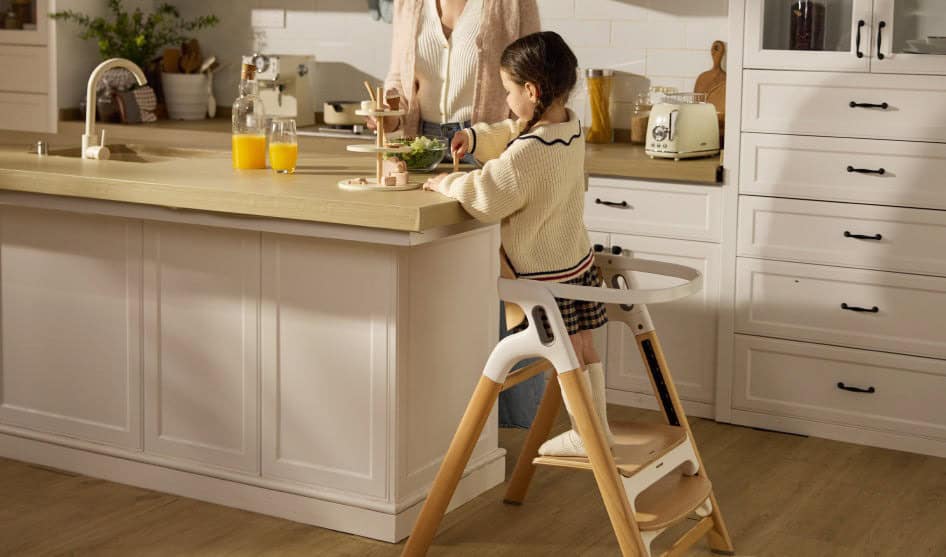
Where you place the chair can matter as much as the chair itself. Keep it away from stovetops, counters with hot drinks, cords from blinds, and windows. Babies can kick off walls or table edges with surprising strength, so leave a little space around the chair to stop them from pushing it over. Hard, level flooring is best; thick rugs and uneven tiles can make even a sturdy chair rock.
It also helps to position the chair so your baby can see you and other family members eating. Shared meals encourage babies to copy chewing, try new foods, and pick up social cues around the table.
Turning Mealtime Into Screen Time
When a baby is fussy, propping a tablet in front of the tray can feel like a lifesaver. Over time, though, screens pull attention away from the food itself. Babies learn hunger and fullness cues by noticing taste, texture, and how their bodies feel, and distraction makes those signals harder to read. Try offering a spoon of their own, a few soft finger foods, or simply chatting and naming foods as they eat. Keep early meals short, and end on a positive note to build a healthy relationship with eating.
Letting Cleaning and Maintenance Slide
Daily wipe-downs keep bacteria and mold from building up, but a few weekly habits extend the life and safety of the chair as well:
- Remove the tray and seat cover to clean the hidden spots underneath.
- Inspect buckles and straps for fraying or sticky clasps.
- Tighten any screws or joints that have started to loosen.
- Test the locking mechanism on foldable models and the brakes on wheeled ones.
- Watch for manufacturer recall notices and register your chair if possible.
A few minutes each week can catch small problems before they turn into real hazards.
Holding On to the Chair Too Long, or Retiring It Too Soon
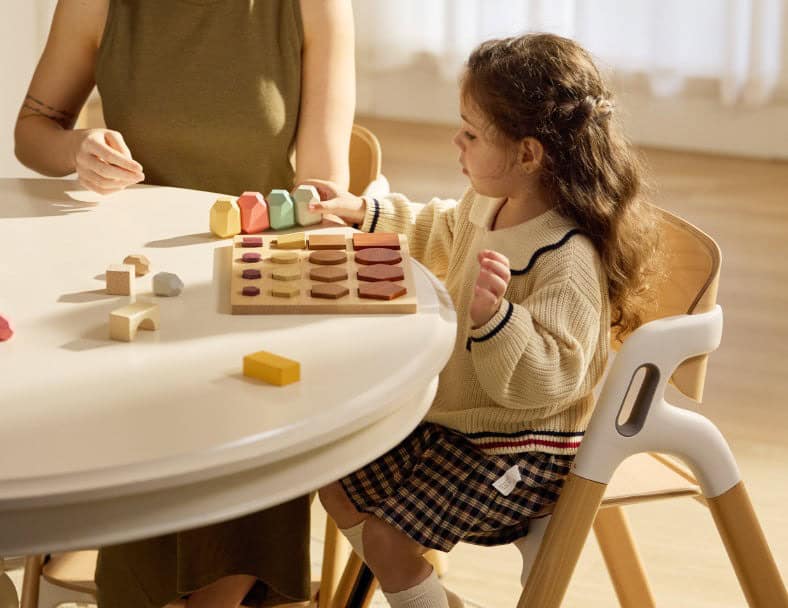
Transitions are another place where parents slip up. Some keep a toddler strapped into the infant setup long after they have outgrown it, which leads to cramped legs, wriggling, and attempts to climb out. Others move a child to a regular dining chair before they can sit steadily at table height, leaving them perched on their knees and reaching awkwardly for food. Watch for clear signals instead of following a set age: if your child’s shoulders sit above the harness slots, if they can unbuckle themselves, or if they repeatedly try to stand, it is time to adjust or change the setup. Many convertible chairs can be reconfigured into a booster or toddler seat, which keeps them at the right height for the family table while giving them more freedom. Make each transition gradually, perhaps starting with breakfast or snacks, so your child adapts to the new seat without turning dinner into a struggle.
Building Safer, Happier Mealtimes
A high chair is more than a place to keep your baby still while you spoon in puree. It shapes posture, safety, and even how your child feels about food. Most of the common mistakes, such as buying for style alone, starting before the baby is ready, skipping the harness, forgetting the footrest, choosing a risky spot, and neglecting maintenance, are simple to fix once you are aware of them.
Start by checking your current setup against the points in this guide. Adjust the footrest, tighten the straps, move the chair away from hazards, and set a weekly cleaning reminder. If you are still shopping, prioritize stability, adjustability, and easy cleaning over appearance. With a well-fitted seat and a few consistent habits, mealtimes can become calmer and more enjoyable for everyone at the table, and your baby gets the secure foundation they need to explore new tastes with confidence.