

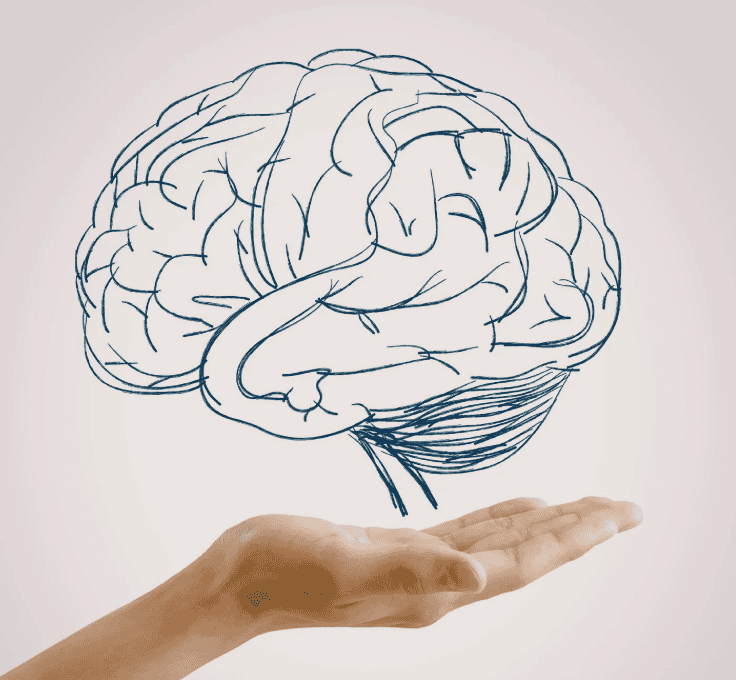
Cognitive changes can affect school performance, work, relationships, and daily routines. Forgetfulness, poor attention, slower thinking, or difficulty organizing tasks often have several possible causes. A neuropsychological evaluation examines these concerns through structured interviews, standardized testing, and behavioral observations. The process connects test results with medical history and real-life function. It also separates temporary difficulties from patterns that require treatment, support, or further medical care. The evaluation begins with a careful review of the person’s concerns and history.
What the Evaluation Examines
A neuropsychologist specialist evaluates how a person thinks, learns, remembers, communicates, and manages everyday demands. The assessment also examines emotional factors, behavior, and adaptive skills because anxiety, depression, sleep problems, medication effects, and pain can affect cognitive performance.
The evaluation does not rely on one score or one short task. It compares results across several areas and considers age, education, language, development, medical conditions, and testing behavior. This approach helps the clinician identify patterns rather than treating an isolated weakness as a diagnosis.
Starting With the Clinical Interview
The interview establishes when the concern began, how it has changed, and where it appears. A clinician asks about school, employment, relationships, medications, sleep, substance use, injuries, illnesses, and previous treatment.
Family members, teachers, or other providers may provide useful information when memory or self-report is limited. Their observations can show whether a problem occurs across settings or only during certain tasks. The clinician also reviews records when they are available.
Measuring Cognitive Skills
Standardized tests measure distinct abilities under controlled conditions. Common areas include attention, processing speed, learning, delayed recall, language, visual-spatial reasoning, problem-solving, and executive functions.
Testing also examines how a person approaches difficult tasks. The clinician observes persistence, response style, error patterns, self-correction, and the effect of distractions. These details often explain why a person struggles, even when total scores appear average.
Memory and Attention Patterns
Memory concerns require careful analysis because poor recall can result from weak attention during learning. A person who misses information initially cannot retrieve information that was never stored clearly.
Testing compares immediate learning, delayed recall, recognition, and benefit from cues. This pattern helps distinguish inefficient attention from a storage problem. Attention measures also show whether a person loses focus quickly, works slowly, or struggles to divide attention.
Executive Function and Daily Demands
Executive functions support planning, organization, inhibition, flexible thinking, and task completion. Difficulties in these areas often appear as missed deadlines, unfinished work, impulsive decisions, or trouble following multi-step directions.
A clinician connects test performance with daily examples. This comparison matters because a mild weakness may have little effect in one setting but create major problems in another.
Considering Emotional and Medical Factors
Cognitive results require context. Depression can reduce concentration and mental speed, while anxiety can interfere with working memory and flexible thinking. Sleep loss, chronic pain, medication effects, seizures, stroke, concussion, and other medical conditions can also affect performance.
The clinician does not assume that emotional symptoms explain every cognitive complaint. Instead, the evaluation weighs medical history, symptom timing, test patterns, and functional changes together. This process supports a more accurate explanation of the concern.
Turning Results Into Clear Recommendations
After testing, the clinician explains the findings during a feedback session. The discussion identifies preserved abilities, areas of difficulty, likely contributing factors, and practical next steps.
Recommendations should match the person’s needs. A student may need classroom supports, while an adult recovering from a concussion may need pacing and work-planning guidance. Someone with memory changes may need medical follow-up, safety planning, or assistance with medication management.
A written report records the results and recommendations for appropriate use. It can support treatment planning, school services, workplace decisions, rehabilitation, or communication with other providers.
When an Evaluation Makes Sense
An evaluation is appropriate when cognitive concerns persist, interfere with daily function, or remain unclear after routine care. It also helps when symptoms follow a concussion, stroke, neurological illness, developmental concern, or major behavior change.
Preparation improves the quality of the assessment. Bring medication details, relevant records, glasses or hearing devices, and a clear description of the problems. Adequate sleep and regular meals also support consistent testing performance.
Conclusion
A neuropsychological evaluation identifies cognitive concerns by combining history, standardized measures, observed behavior, and daily functioning. The most useful result is a clear explanation of the pattern, not a single number. Anyone noticing persistent changes should record examples, note when symptoms began, and discuss the concern with a qualified healthcare professional. A formal evaluation can then clarify the next step, whether that involves treatment, rehabilitation, school support, workplace adjustments, or further medical assessment.