

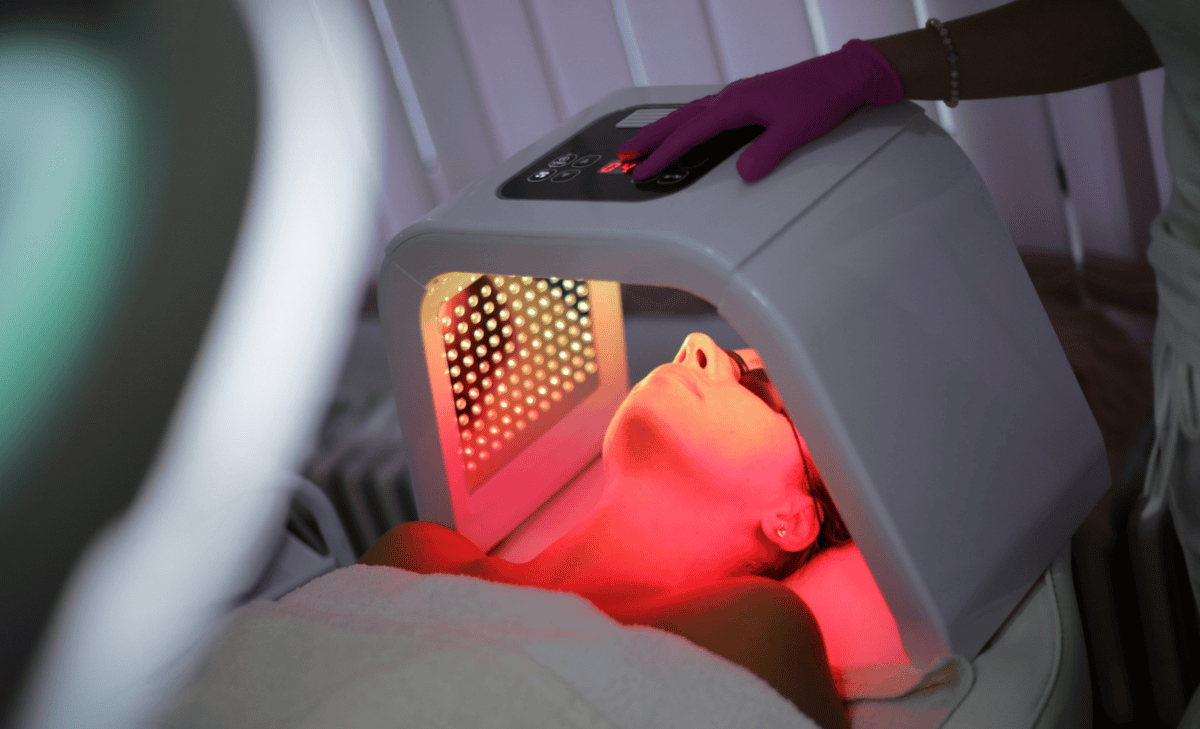
Medical-grade red light therapy panels use specific wavelengths of red and near-infrared light to support cellular activity after injury or tissue stress. Photobiomodulation works through light-sensitive processes in cells, especially mitochondria, which help produce energy for repair. The approach does not replace wound care, diagnosis, or rehabilitation. Its value depends on suitable dosing, consistent application, and appropriate clinical judgment. The following sections explain how panels support repair and how users can apply them responsibly.
Panel selection matters because treatment area, output, wavelength, and session distance affect the delivered dose. A medical-grade red light therapy panel should provide clear operating guidance, stable performance, and safety information for its intended setting. These details help clinicians and users connect a treatment plan with measurable exposure rather than relying on brightness alone.
How Photobiomodulation Supports Repair
Red and near-infrared light reaches tissue at different depths, depending on wavelength and tissue composition. Cells absorb this light through photoreceptive molecules, including components within mitochondria. The resulting response supports adenosine triphosphate production, which supplies energy for cellular work.
Tissue repair requires energy for cell migration, protein production, and matrix formation. Better cellular energy availability helps these processes proceed efficiently when tissue needs rebuilding. Light exposure also influences cellular signaling linked with inflammation and circulation, although treatment outcomes depend on the injury, dose, and individual health factors.
Repair follows a sequence that includes inflammation, tissue formation, and remodeling. Photobiomodulation supports cellular activity during these stages, but it does not force tissue to heal beyond its biological capacity. A qualified healthcare professional should assess serious injuries, infection, unexplained pain, or delayed healing.
Why Dose and Distance Matter
Light therapy works through delivered energy, not brightness alone. Irradiance describes power reaching a surface, while fluence describes the total energy delivered over a treatment period. Session duration, panel distance, wavelength, and exposed area all affect fluence.
A panel placed too far away delivers less light to the tissue. A longer session does not automatically correct an unsuitable distance or wavelength. Users should follow the manufacturer’s instructions and record treatment duration, distance, body area, and any skin response.
Consistency also matters. Irregular sessions make it harder to judge whether a protocol is working. A written schedule helps users compare changes in pain, mobility, swelling, wound appearance, or function without relying on memory.
Tissue Responses That Matter
Photobiomodulation supports several repair-related processes. Increased cellular energy helps fibroblasts produce structural proteins needed for connective tissue. Improved local blood flow can support oxygen and nutrient delivery, while controlled inflammatory signaling can help limit prolonged tissue stress.
These effects do not mean every injury responds in the same way. Skin, muscle, tendon, bone, and nerve tissue differ in depth, blood supply, and recovery time. Treatment plans should match the affected tissue and the person’s medical condition.
Visible changes also require careful interpretation. Reduced discomfort can occur before deeper tissue has regained full strength. A person should continue prescribed rehabilitation and activity limits even when symptoms improve.
Practical Safety Considerations
Protective eyewear should be used when the panel instructions recommend it, especially during close-range exposure. Users should keep the panel, cables, and control equipment dry, and they should inspect the unit before each session.
Medical conditions and medications can alter light sensitivity. People who use photosensitizing medicines, have light-sensitive disorders, or receive treatment for a serious condition should ask a healthcare professional before starting therapy. Treatment over an undiagnosed lesion or a suspected infection also requires medical assessment first.
Skin should remain clean and free from products that increase light sensitivity unless a clinician approves them. Users should stop exposure and seek guidance if they develop persistent redness, blistering, unusual pain, or other concerning symptoms.
Building a Measurable Routine
A practical routine begins with one defined treatment area and a documented protocol. The record should include the panel setting, distance, session length, date, and symptoms before and after exposure. When appropriate, photographs can help track visible skin changes.
Progress should be judged by function, not by warmth or temporary redness. Better range of motion, easier movement, improved wound appearance, or reduced soreness provides more useful information than a sensation during treatment.
A healthcare professional can help adjust the schedule when symptoms change. That review matters when pain persists, swelling increases, or healing fails to follow the expected course.
Conclusion
Medical-grade red light therapy panels support tissue repair by influencing cellular energy, circulation, and inflammatory signaling. Their effects depend on wavelength, delivered dose, treatment distance, and the condition being treated. Safe use requires clear instructions, consistent records, and medical oversight for complex injuries or light-sensitive conditions. The practical next step is to document a defined protocol, monitor functional changes, and discuss the results with a qualified healthcare professional before changing treatment intensity or frequency.