

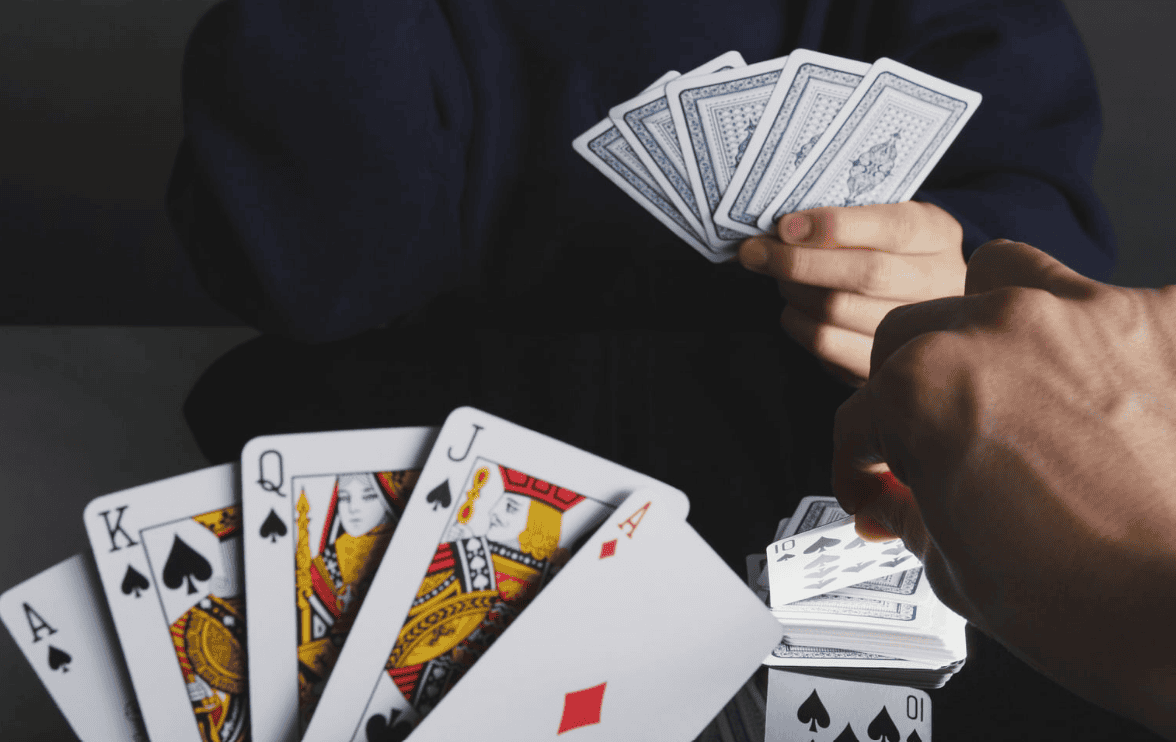
At first glance, Poker might seem like just a card game, but a closer look reveals a fascinating intersection of psychology, risk assessment, and strategic decision-making. Behind those poker faces and stacks of chips lies a wealth of insight into how people handle uncertainty, pressure, and complex decision-making under stress. The game’s unique blend of math, human intuition, and psychological maneuvering makes it a compelling subject for anyone curious about the inner workings of the human mind.
The Role of Risk in Poker Psychology
Poker is inherently a game of risk. Players are constantly faced with incomplete information and they must decide how much to bet, when to fold, or whether to bluff. This process closely resembles real-life risk-taking scenarios, such as investing or negotiating. Poker forces players to evaluate odds, predict future possibilities, and assess their opponents’ potential hands—all while considering the risk of loss. These elements foster acute risk awareness and nurture the ability to make calculated gambles.
In the context of psychology, risk tolerance differs widely from player to player. Some individuals are more comfortable taking larger risks, while others are conservative in their play style and prefer lower-risk situations. Over time, exposure to the highs and lows of the game shapes a player’s risk profile, turning impulsiveness into strategic patience. This mirrors findings in behavioral economics, where people’s experiences and outcomes influence their willingness to take risks in the future.
Emotion Regulation and Poker Performance
Poker isn’t just about probability and skill; it’s also a test of emotional endurance. During intense hands and high-stakes games, emotions such as excitement, frustration, and anxiety can cloud judgement. Successful players develop the ability to manage these emotions, demonstrating strong emotional regulation skills. They know that displaying “tells” or reacting visibly to the outcome of a hand can give valuable information to opponents, so they cultivate the classic “poker face” to mask their true feelings.
The way players handle losses, known as “tilt,” is a profound window into emotional resilience. Tilt occurs when frustration from a bad beat leads to rash decisions and more significant losses. Psychologists have studied this phenomenon to better understand emotional impulse control and coping mechanisms. Research from fields such as cognitive-behavioral therapy draws parallels between poker’s emotional management and strategies used for stress reduction and self-control in everyday life. These insights highlight how poker can help people strengthen emotional regulation not just at the table, but beyond it.
Strategic Decision-Making Under Pressure
Strategic decision-making is at the heart of poker, encompassing not only which cards to play but also when to bet and how to read opponents. Each choice involves carefully weighing available information, assessing probabilities, and anticipating the outcomes of various moves. Underpinning this process is the concept of game theory, which explores how players make decisions in competitive scenarios where each participant’s success depends on others’ actions.
In high-pressure situations, such as a crucial tournament hand, decision fatigue and stress can impact cognitive performance. Poker offers a controlled microcosm for studying how individuals balance intuition with logic under time constraints. Many players hone their skills through experience, learning to make better decisions over time by reflecting on past mistakes and successes. The practice of disciplined reflection, pattern recognition, and adapting strategies aligns closely with psychological principles of learning and expertise development, demonstrating the profound cognitive demands the game places on its participants.