

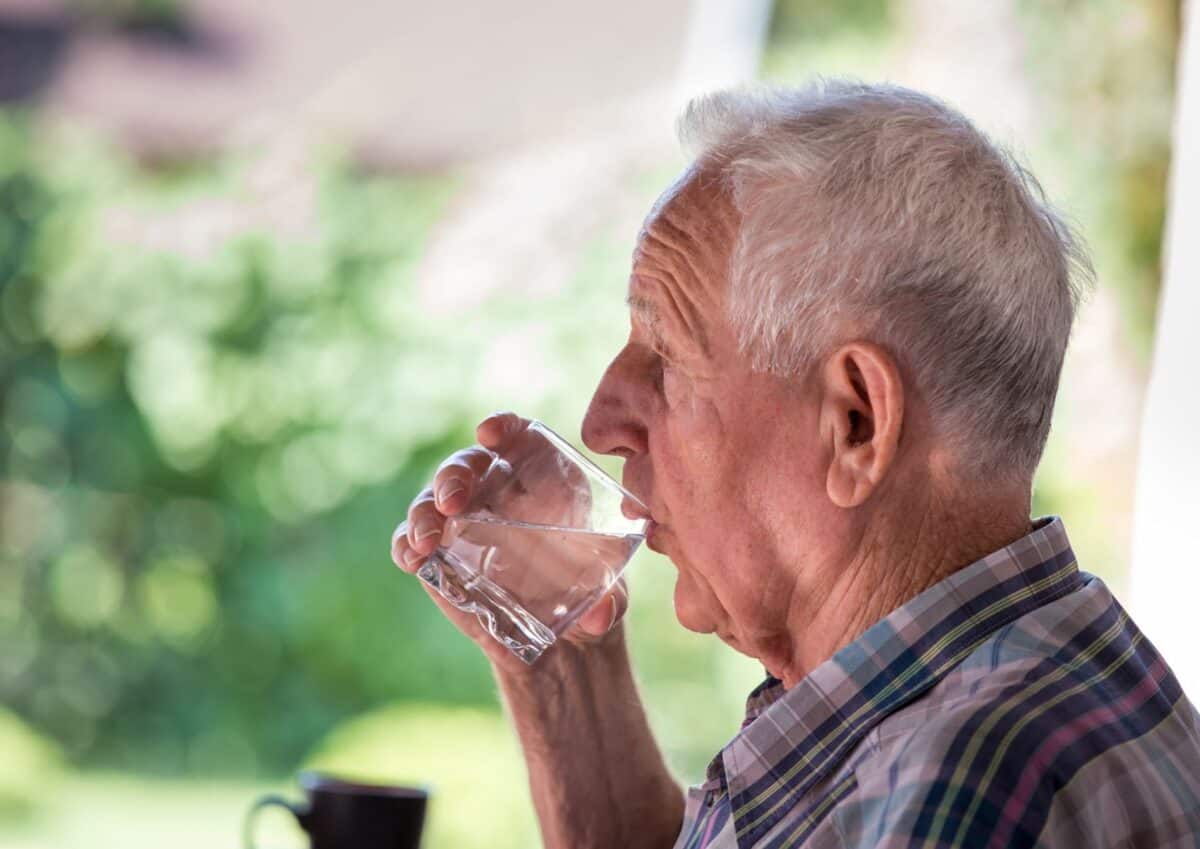
Hydration affects blood pressure control, kidney function, bowel regularity, temperature balance, and attention span in later life. Older adults may not feel thirsty until fluid levels have already dropped. Heat, fever, mobility changes, and common medicines can narrow the margin for error. A practical plan should be calm, visible, and repeatable, so drinking fits meals, rest, activity, and care routines without making the day feel medicalized.
Why Thirst Changes
Aging can blunt thirst signals, reduce total body water, and slow the kidneys’ ability to adjust during heat or illness. Muscle loss also lowers stored fluid. Clear hydration tips for seniors help families connect drinking with familiar cues, such as breakfast, medication, walks, and evening routines. That structure supports comfort while preserving choice, dignity, and normal daily rhythm.
Set a Daily Pattern
Routine matters more than large amounts at once. A cup after waking, another with meals, and small sips between activities often work well. Drinks should sit within reach, preferably in lightweight containers with secure lids. Visible placement near a chair, bed, or reading spot can prompt intake without the need for repeated reminders.
Choose Fluids Wisely
Water remains the standard choice for regular drinking. Still, variety can improve acceptance when appetite or taste changes occur. Milk, broth, herbal tea, diluted fruit juice, and lightly flavored water may all contribute. Sugary beverages can displace food or affect glucose control. Alcohol deserves caution because it may increase urine output and worsen balance.
Eat Foods That Are Rich in Water
Meals can carry meaningful fluid. Melon, citrus, berries, cucumbers, tomatoes, leafy greens, soups, yogurt, and smoothies add water with nutrients. These foods may be easier to consume than a full glass when appetite is poor. Produce also provides potassium, fiber, and natural acids that support bowel function, taste interest, and sustained energy.
Watch Heat and Medicine
Hot weather increases sweat loss before clear symptoms appear. Diuretics, laxatives, and some blood pressure medicines may further shift fluid balance. Fever, vomiting, loose stools, or infection can raise needs within hours. People with heart failure, kidney disease, swelling, or low sodium should ask a clinician for personal limits.
Make Bathroom Trips Easier
Some older adults restrict drinks because bathroom trips feel stressful or unsafe. That pattern can increase dizziness, constipation, urinary irritation, and confusion. Safer paths, night lights, grab bars, supportive footwear, and scheduled toileting may reduce worry. A raised seat or bedside commode can help when mobility is limited overnight.
Track Early Warning Signs
Early dehydration may look subtle. Dry mouth, cracked lips, darker urine, headache, lightheadedness, fatigue, constipation, and new confusion deserve attention. A sudden fall, a rapid pulse, fainting, or marked sleepiness requires urgent medical attention. Families should compare symptoms with the person’s usual baseline, since small changes may signal a larger shift.
Support Memory Needs
Memory loss can make drinking easy to miss. Visual cues help, such as a colored bottle, a marked cup, or a note beside the sink. Shared habits are useful too. A caregiver might offer a drink, snacks, television, card games, therapy exercises, or a short walk.
Plan Activity Carefully
Movement supports circulation, strength, mood, and digestion, yet timing matters in warm months. Outdoor activity is safer during cooler morning or evening hours. Shade, hats, breathable clothing, and planned rests reduce heat strain. After exertion, a light snack and fluids can help restore comfort and prevent weakness.
Ask for Personal Guidance
Fluid goals should reflect medical history, medicines, body size, diet, and activity level. A clinician or dietitian can set a safe range and review warning signs. This step is important for people with kidney problems, heart failure, fluid restriction, or electrolyte concerns. Written guidance helps families respond consistently.
Conclusion
Good hydration care is built from small decisions repeated at the right times. Older adults benefit when drinks are visible, food is added to help with fluid intake, heat risks are respected, and early symptoms are taken seriously. The best routines protect health without taking over the day. With thoughtful support and medical guidance when needed, drinking habits can remain steady, safe, and respectful.