

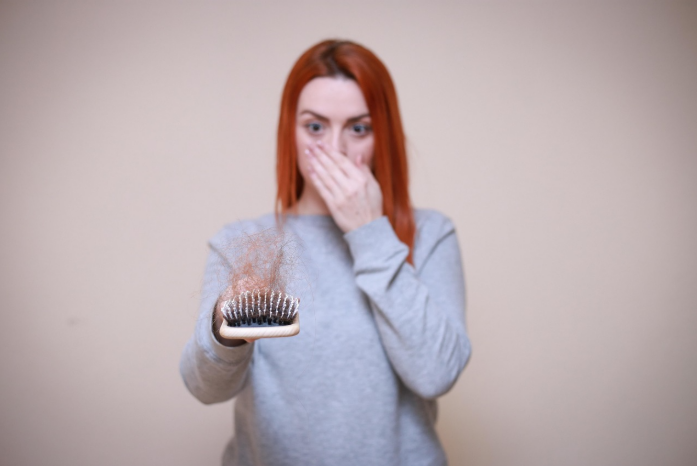
Thinning hair in adults is one of the most underestimated struggles they face today.
Most people believe it’s purely a vanity problem. However, the reality is it can affect you SO much more. Hair loss can decrease your confidence, affect your mental wellbeing and alter your day-to-day presentation.
Here’s the thing…
Thin hair may have physical implications but losing your hair can feel even more emotional than physical. Don’t feel bad. The numbers support your experience. Millions suffer in silence from emotions no one likes to discuss.
What You’ll Discover:
- Why Thinning Hair in Adults Affects More Than Looks
- The Mental Health Side Of Hair Loss
- How It Changes Daily Life
- The Stress And Shedding Cycle
- Modern Ways To Take Back Control
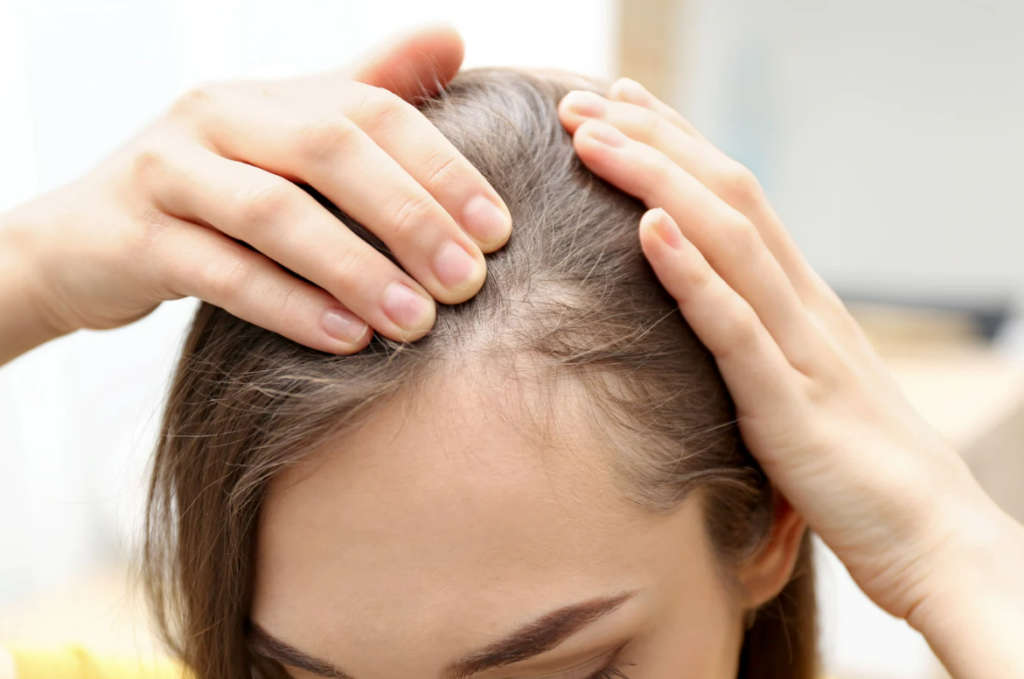
Why Thinning Hair Hits Harder Than People Realise
For most adults, hair is tied directly to identity.
It’s one of your best features. That’s why when hair loss happens it’s not only your appearance that changes… your entire self-image does.
Hair plays a huge role in:
- Self-image
- Social confidence
- Feeling youthful
- Personal style
That’s how even slight thinning hair can lead to drastic mood changes. Avoidance of photographs. Missing social functions. Wearing hats inside. Becoming overly-conscious of light and angles.
It’s not vanity. Losing your hair can cause a very real psychological response when you lose a part of yourself. The better news? Treatment is getting more advanced every year.
There are even science-supported treatments adults are trying like the AHK-Cu hair peptide, a copper peptide for hair that supports follicle health and natural hair regrowth.
The Mental Health Side Of Hair Loss
Here’s what’s really happening behind the scenes.
Hair loss has been associated with anxiety, depression, and low-self esteem in hundreds of studies. This isn’t about feeling “kind of sad” some days here. Adults can suffer from this psychologically for a clinical amount of time.
Research revealed that 78% of women with alopecia suffered shame, anxiety and depression. What’s more 85% had low self-esteem due to their hair loss.
Men aren’t immune either.
One survey of adults experiencing hair thinning revealed that 41% had avoided social events within the last month due to hair-related anxieties. Among those surveyed who were under the age of 30, this statistic rose to 58%.
Think about that for a second.
Nearly 50% of those experiencing hair loss are letting go of their social activities. That’s a huge emotional toll that most suffer in silence.
How It Changes Daily Life
Hair loss isn’t something that passively exists in your life. It affects nearly every aspect of your day.
Adults with thinning hair often deal with:
- Avoidance behaviour — skipping parties, dates, or photos
- Mirror anxiety — avoiding reflections or constantly checking
- Career hesitation — holding back from promotions or public-facing roles
- Relationship strain — feeling unattractive or insecure with partners
The career impact is especially big.
Confidence in the workplace studies indicate that adults experiencing visible hair loss are significantly less likely to self-select for projects where leadership can easily see them. Long-term? Promotions, compensation, and entire careers are affected, often in ways that most people don’t ever link to hair.
Little things.. like hair styling rituals… become anxiety ridden. Adults spend additional time on covering thin areas, picking hats, or altering hair partings just to feel “normal” when leaving the house.
The Stress And Shedding Cycle
Here’s something most people don’t realise…
Stress leads to hair loss. Hair loss leads to stress. It’s a vicious cycle that’s nearly impossible to escape on your own.
When you feel stressed about losing hair, your body increases cortisol production. Too much cortisol can:
- Push hair follicles into the resting phase early
- Trigger more shedding
- Slow down regrowth
- Worsen scalp inflammation
The more stressed you are about losing hair… the more hair you will lose. Harsh truth.
That is why emotional support is so important during treatment. This is one feedback loop right there. Without addressing the mental side, the physical side takes forever to heal.
Why It’s More Than Just Vanity
Some people still brush off hair loss as a “first world problem.”
However, what you may not realize is that the global hair loss treatment market is expected to reach $12.9 Billion by 2032, growing at a 6.2% CAGR through 2032 – because millions of adults like you are looking for products that actually work.
It’s not narcissism. It’s people trying to feel normal again. And that’s not shallow at all.
When hair starts thinning, adults often describe it as:
- Watching part of their identity slowly disappear
- Feeling older than they actually are
- Losing a piece of their self-confidence
- Becoming “invisible” in social settings
That is not surface level stuff. That cuts deep.
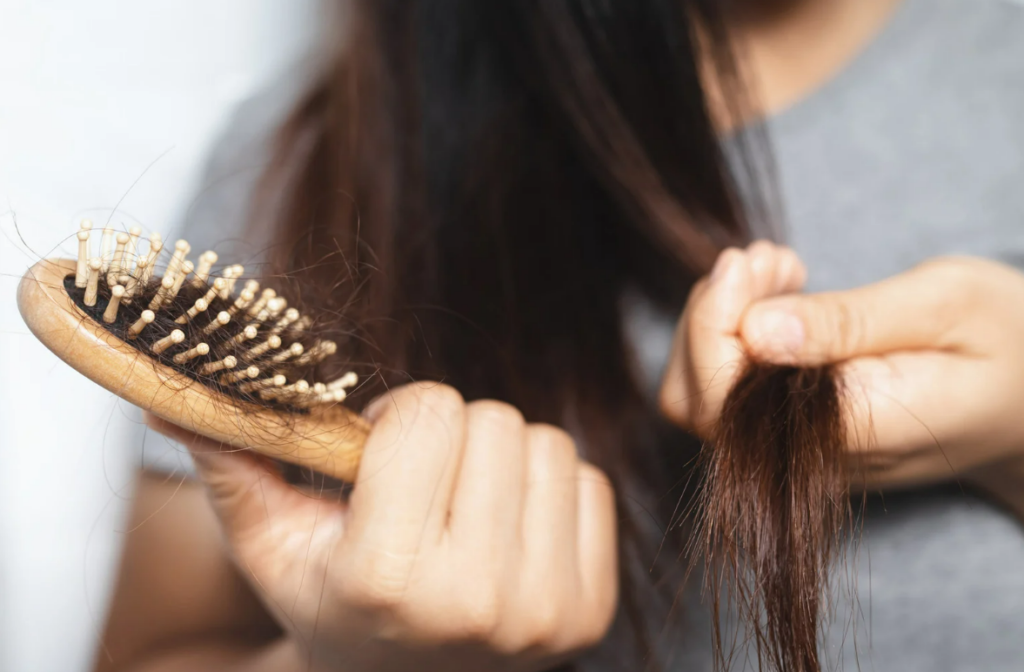
Modern Ways To Take Back Control
The good news? There’s better treatment options now than there have ever been. What was working five years ago pales in comparison to today.
Adults dealing with thinning hair have a lot of paths to choose from:
- Topical treatments — like minoxidil based products
- Oral medications — prescribed by qualified doctors
- Peptide-based therapies — targeting follicle health at a cellular level
- Lifestyle changes — diet, sleep, and stress management
- Cosmetic solutions — hairpieces, micropigmentation, and styling
Number one tip? Begin as soon as possible. The longer you wait to address thinning hair, the more difficult it is to fix in the future.
And remember the emotional aspect of your journey. Whether you seek therapy, find a support group, or simply confide in loved ones, sharing your burden can be incredibly helpful. You are not alone in this.
Final Thoughts
Hair loss isn’t just a vanity problem. It’s an emotional problem. Thinning hair impacts self-confidence, mental health, careers and relationships more than most people realize when they first begin to experience it.
To quickly recap:
- Thinning hair impacts mental health more than people realise
- Anxiety, depression, and avoidance are common emotional responses
- Stress and hair loss feed directly into each other
- Modern treatments offer real and meaningful hope
- Emotional support is just as important as physical treatment
If you currently suffer from thinning hair you are not alone. Millions of adults struggle with thinning hair just like you do — and there are solutions.
The first step is acceptance. Stop treating it like hair. Treat the emotional aspect as you would any other health condition.
Because mental health is important… to you as much as you…are in the mirror.