

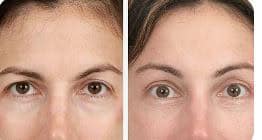
A brow lift can change more than the position of your eyebrows. It can soften a tired or worried appearance, smooth forehead wrinkles, and open up the area around the eyes. But before planning a brow lift in Charlotte, it is worth thinking beyond the procedure itself. Recovery can affect when you return to work, exercise, social events, and your normal routine.
While recovery varies from person to person, knowing what is likely to happen can make the planning process much easier. Here are some of the important things to understand before scheduling your procedure.
1. Expect Some Swelling and Bruising at First
Swelling and bruising are normal parts of brow lift recovery. You may also notice some numbness around the forehead or scalp, along with mild discomfort or tightness. These changes can make the first few days look and feel different from what you expected.
The American Society of Plastic Surgeons recommends keeping the head elevated after surgery to help reduce swelling. Your surgeon may also provide instructions about cold compresses, medications, wound care, and other parts of your recovery.
This is one reason it helps to avoid scheduling important social events immediately after surgery. Even when you feel reasonably well, visible swelling or bruising may still be present.
2. Plan for Around Two Weeks of Downtime
You may be able to do some light activities fairly soon, but that does not mean you should expect to be completely back to normal within a few days.
Initial wound healing after a brow lift may take about 10 to 14 days, with many patients able to return to work and normal activity around that point. Healing continues after this period, however, and swelling can take several more weeks to settle. Vigorous exercise should be resumed later in the recovery process.
So, if you have a wedding, vacation, work presentation, or other important event coming up, give yourself some breathing room rather than planning around the earliest possible return date.
3. Your Recovery Plan Should Fit Your Procedure
Not every brow lift is performed in the same way. When it comes to a brow lift in Charlotte NC, there are different surgical approaches, including endoscopic, temporal, and coronal techniques, and the approach can affect the incision pattern and recovery experience.
The recovery plan should therefore be based on the procedure being performed rather than a generic timeline found online. A surgeon may give you specific instructions about when to wash your hair, exercise, return to work, sleep normally, or expose the treated area to the sun. PPSD’s brow lift information notes that sutures and bandages are generally removed within the first week and that patients should limit vigorous exercise for a little longer.
The important thing is to follow the instructions given for your own surgery, even if another patient’s recovery looks different.
4. Your Face May Not Look Fully Healed Right Away
One of the easiest mistakes to make is assuming that the first visible result is the final one. A brow lift may produce an early improvement in the position of the brows, but the tissues still need time to heal.
As swelling decreases, the forehead and brow area will gradually settle. Incision lines may also become less noticeable over time. Final brow lift results can continue developing over several months as swelling resolves and scars fade. This can be especially important emotionally. You may look in the mirror during the first few weeks and notice changes that seem unfamiliar. That does not necessarily mean something has gone wrong. Healing takes time.
5. You Will Need to Plan for Help and Follow-Up
The days immediately after surgery are easier when you have already arranged practical support. You may need someone to drive you home, help with meals, handle some household tasks, or simply stay nearby while you get settled.
It’s recommended to arrange for someone to drive you to and from surgery and stay with you for the first night.
You should also know when your follow-up visits are scheduled before the procedure takes place. These appointments allow your surgeon to check your healing and address concerns that may come up during recovery.
It is useful to ask about these details during your consultation rather than trying to figure them out afterward. How many follow-up visits will you need? When can you return to exercise? When can you wash your hair normally? What symptoms should prompt a call to the surgical team?
Final Thoughts
A brow lift may have a relatively manageable recovery, but manageable does not mean effortless. Swelling, bruising, temporary numbness, activity restrictions, and gradual healing are all things worth planning for.
The best approach is to build your schedule around the recovery you are likely to have, rather than hoping you will heal faster than expected. Give yourself enough time away from demanding activities, arrange help for the first few days, and follow your surgeon’s instructions closely.
Knowing what recovery involves before scheduling your brow lift can also help you decide whether the timing is right. When you understand what the first few days and weeks may look like, you can plan the procedure with fewer surprises and more realistic expectations.