

A personal injury can change life in an instant. The physical pain is often the first thing people notice. But the emotional effects can be just as serious, and sometimes even harder to manage.
Many victims focus on healing their bodies. They attend medical appointments and follow treatment plans. At the same time, they may ignore what is happening in their mind. This can delay recovery and make daily life more difficult.
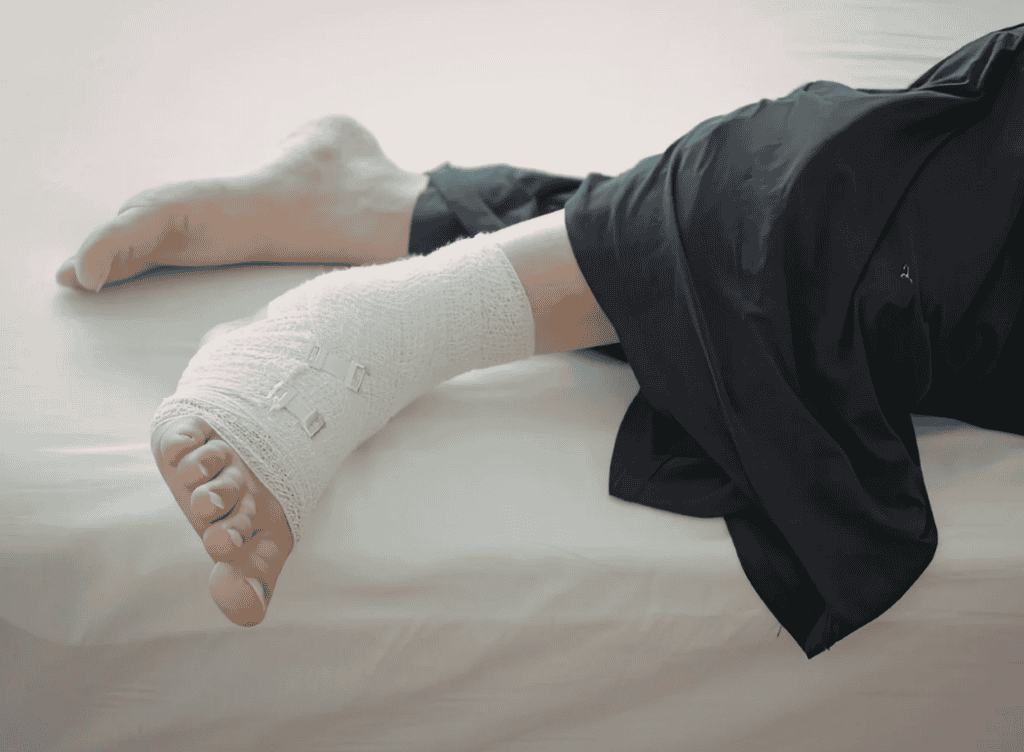
Why Emotional Health Matters After an Injury
An injury does not only affect the body. It can disrupt routines, relationships, and a sense of security. These changes can lead to emotional stress that builds over time.
Some people feel frustrated because they cannot work or move as they used to. Others feel anxious about their future. These reactions are normal, but they should not be ignored.
When emotional health is addressed early, recovery becomes smoother. It helps victims regain control and confidence.
Common Psychological Effects of Personal Injury
The mental impact of an injury can vary from person to person. Some people recover quickly, while others struggle for months or even years.
Here are some common emotional responses:
- Anxiety about health, finances, or the future
- Depression due to lifestyle changes or loss of independence
- Post-traumatic stress after serious accidents
- Sleep problems or constant fatigue
- Irritability or mood swings
These symptoms can affect work, relationships, and daily activities. Recognizing them is the first step toward healing.
The Link Between Physical Pain and Mental Health
Physical pain and emotional stress are closely connected. When pain continues for a long time, it can lead to frustration and hopelessness.
At the same time, stress can make physical symptoms feel worse. This creates a cycle that is hard to break.
For example:
- Ongoing pain can lead to poor sleep
- Poor sleep can increase anxiety
- Anxiety can make pain feel more intense
Breaking this cycle requires attention to both physical and mental health.
Loss of Independence and Identity
After an injury, simple tasks can become difficult. This can affect how a person sees themselves.
Many victims struggle with:
- Needing help for daily activities
- Taking time off work
- Losing their usual routine
- Feeling less productive
These changes can lead to a loss of confidence. Some people may feel like they have lost control over their lives.
Support from family, friends, and professionals can help rebuild that sense of independence.
Social Isolation and Relationship Strain
Injuries often limit social activities. This can lead to isolation, which can worsen emotional struggles.
Victims may avoid social situations because of pain or embarrassment. Others may feel that people around them do not fully understand their experience.
This can create distance in relationships. Open communication is important during this time.
Helpful steps include:
- Talking honestly about feelings
- Staying connected, even in small ways
- Accepting support from others
- Setting realistic expectations
Strong relationships can make recovery easier.
Coping Strategies That Make a Difference
Managing the psychological impact of an injury takes effort, but small steps can help.
Here are practical strategies:
- Seek professional help
A therapist or counselor can provide tools to manage stress and emotions - Stay active within limits
Gentle movement can improve mood and reduce stress - Create a daily routine
Structure helps bring a sense of normal life - Practice relaxation techniques
Breathing exercises and mindfulness can reduce anxiety - Set small goals
Achieving simple tasks can rebuild confidence
These steps may seem basic, but they can have a strong impact over time.
The Importance of Legal and Emotional Support
After an injury, there are often financial and legal concerns. Medical bills, lost income, and insurance claims can add stress.
Getting proper guidance can reduce this burden. Working with professionals such as Maryland personal injury lawyers can help victims understand their rights and options. This support allows them to focus more on recovery.
When legal and emotional needs are handled together, the overall healing process becomes more manageable.
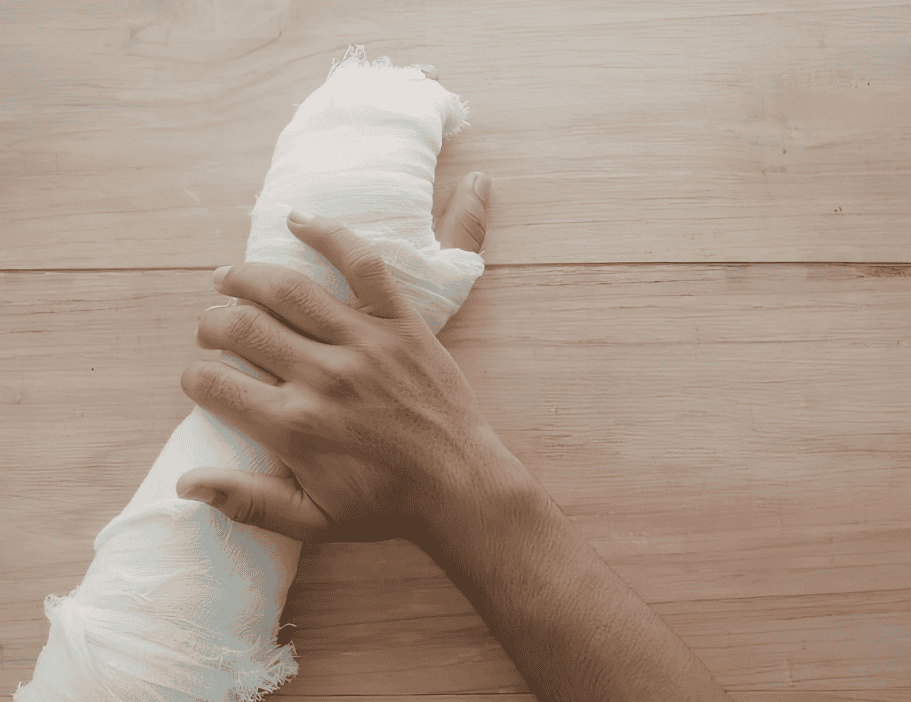
Supporting a Loved One After an Injury
If someone close to you has been injured, your support can make a big difference. Many victims feel overwhelmed and unsure about how to express their feelings.
Ways to help include:
- Listening without judgment
- Offering practical help with daily tasks
- Encouraging them to seek professional support
- Being patient with mood changes
Support does not need to be complex. Consistency and understanding matter the most.
When to Seek Professional Help
Some emotional reactions improve over time. Others may require professional care.
It is important to seek help if:
- Feelings of sadness or anxiety do not improve
- Sleep problems continue for weeks
- There is a loss of interest in daily life
- Thoughts become overwhelming or negative
Early support can prevent long-term issues. There is no harm in asking for help.
Moving Forward After a Personal Injury
Recovery is not only about physical healing. It is about rebuilding a life that feels stable and meaningful again.
Progress may be slow, and that is okay. Each small step matters. With the right support and mindset, many people find strength they did not know they had.
Understanding the psychological impact of personal injury can help victims take control of their recovery. It allows them to face challenges with clarity and confidence.