

In 2026, a significant shift is reshaping global tourism; more travellers are actively ditching fixed itineraries in favour of trips that feel inherently more flexible, personal, and driven by authentic experiences. The days of exhaustingly rigid sightseeing schedules are fading, replaced by a deep desire for meaning, wellness, culinary exploration, and cultural immersion. In this evolving context, the Philippines is rapidly emerging as a premier destination perfectly suited to this modern travel style.

As an expansive archipelago where island-to-island movement is becoming increasingly seamless, it offers the ultimate canvas for spontaneous adventures. Rather than adhering to a strict day-by-day plan, visitors are choosing to let their moods, local recommendations, and even the weather guide their journeys, turning a standard holiday into a highly customised and deeply memorable exploration of Southeast Asia.
Why are travellers abandoning rigid planning for flexible travel in 2026?
In 2026, flexibility is vastly more valuable to holidaymakers than rigid, minute-by-minute planning. Modern explorers are increasingly seeking out intentional, curated, and meaning-driven travel experiences that genuinely reflect their personal interests and core values.
This transformation is largely driven by a collective desire for shorter, more adaptable breaks where the itinerary can evolve organically. Younger travellers, in particular, are showing a strong preference for last-minute adventures, choosing to book their activities closer to their departure dates or even while already on the ground. By leaving room for serendipity, individuals can fully immerse themselves in the local atmosphere, allowing for unexpected discoveries and a far more relaxing, authentic vacation that prioritises high-quality experiences over merely ticking boxes on a predictable checklist.
What makes the Philippines an ideal destination for customized island-hopping?
The geography and diverse offerings of the Philippines make it exceptionally well-suited for the rising demand for highly personalised, multi-destination travel. As a vast archipelago comprising thousands of distinct islands, the country allows visitors to effortlessly combine the following within a single, cohesive trip:
- Pristine beaches
- Vibrant local food scenes
- Lush nature
- Rich cultural heritage
The official Philippines tourism strategy actively promotes these multi-island journeys, encouraging travellers to explore beyond a single location and experience the unique character of various provinces.
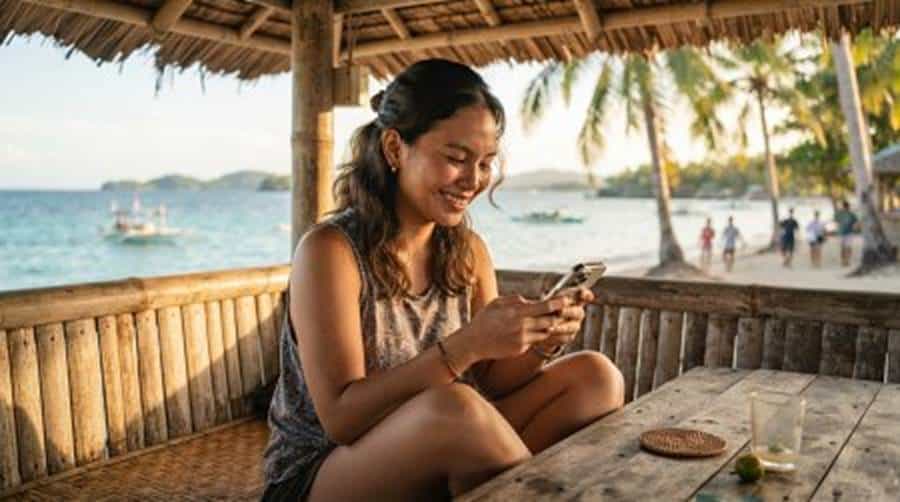
Destinations like Palawan are frequently highlighted as core ecological havens where visitors can design their own unique routes. Instead of being locked into a pre-set tour, tourists can seamlessly shift their focus from diving in crystal-clear waters one day to exploring hidden coastal villages the next. This geographical variety naturally aligns spontaneous island-hopping with the destination’s core offerings, transforming every holiday into a highly tailored adventure.
How are improved transport links and new airports changing inter-island transfers?
The logistics of navigating the Philippine archipelago have seen substantial enhancements, making spontaneous travel significantly more viable than in previous years. A major catalyst for this change is the development of upgraded infrastructure, specifically the new international airports in Clark and Panglao, which are now operating at full capacity to welcome global visitors. Furthermore, streamlined visa entry processes for numerous nationalities have removed bureaucratic hurdles, allowing for smoother arrivals.
Cities like Cebu are strategically positioned as key gateway hubs, offering excellent connectivity and drastically reduced transit times for those looking to branch out to neighbouring islands. Better ferry routes and expanded domestic flight links are continuously reducing the effort needed to hop between idyllic locations. However, while inter-island transfers are easier, the Philippines still faces persistent pain points such as:
- Difficult internal transport in certain rural areas
- Occasional flight delays
- Heavy urban traffic
This means that a degree of patience remains essential for those embracing an unstructured travel style.
How do digital travel tools make last-minute itinerary changes easier?
The spontaneous travel trend is being heavily accelerated by rapid advancements in digital travel tools and artificial intelligence. In 2026, generative search engines and sophisticated AI-assisted planning platforms increasingly build and instantly personalise itineraries on the fly. These smart tourism apps dramatically lower the friction typically associated with changing plans at the last minute, empowering travellers to seamlessly reroute their journeys based on real-time weather updates, sudden ferry cancellations, or spontaneous local recommendations.
Instead of relying on static guidebooks, visitors can now dynamically adjust their accommodation bookings and transport schedules with just a few taps on their smartphones. This digital empowerment ensures that flexible travel is no longer a stressful endeavour, but rather a convenient and highly manageable way to explore the world, perfectly complementing the unpredictable nature of an island-hopping adventure.
Securing reliable local connectivity for real-time adjustments
To fully leverage the power of smart travel apps and AI itinerary builders, maintaining a constant and reliable internet connection is absolutely critical. Travellers hopping between remote beaches and bustling provincial cities need uninterrupted access to:
- Maps
- Booking portals
- Translation services
to make those real-time adjustments. Fortunately, modern telecommunications have evolved to meet this need, eliminating the old frustrations of hunting down physical SIM cards at crowded airport kiosks.
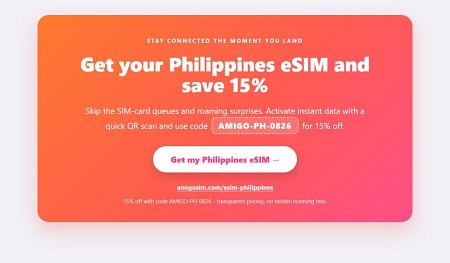
For instance, innovative digital providers like Amigo eSIM offer excellent solutions for modern explorers, allowing them to download their data plans prior to departure and connect to local networks the moment they land. By choosing an instant activation eSIM for the Philippines, visitors can secure affordable, high-speed mobile internet without the dread of exorbitant roaming charges. This seamless digital delivery via a simple QR code ensures that tourists can keep their primary phone numbers active for crucial communications while confidently navigating their spontaneous island routes. Right now, readers can save 15% on their Philippines eSIM plan using the code AMIGO-PH-0826 at checkout.
Why are predictable regional trips becoming a top choice for budget-conscious tourists?
Economic considerations are playing a massive role in shaping how and where people choose to holiday in 2026. With budget pressures and affordability emerging as top priorities for a significant portion of the travelling public, there is a noticeable shift towards shorter, more predictable regional trips. Data from the Klook Travel Pulse 2026 survey indicates that many tourists, particularly domestic Filipino travellers and those from nearby Asian nations, are favouring destinations closer to home for greater financial predictability.
However, being budget-conscious does not mean sacrificing the quality of the holiday. Instead of purchasing packed, expensive, and rigid pre-set tours, these travellers are opting for flexible island-hopping where they can control their daily expenditure. They prefer to spend their travel funds selectively, investing in memorable, high-value experiences such as authentic local food, unique cultural encounters, and meaningful activities, ensuring that every dollar contributes to a richer, more personal journey.
Maintaining internet access across multiple international borders
For those extending their flexible itineraries beyond the Philippines to explore the broader Southeast Asian region, staying connected across varying national networks can often present a logistical challenge. Budget-conscious tourists embarking on multi-country journeys require connectivity solutions that do not incur unpredictable and punishing roaming fees every time they cross a border. Navigating different local telecom providers and swapping out physical SIM cards is both tedious and inefficient.
To solve this, digital nomads and regional backpackers increasingly rely on an international eSIM card to provide prepaid global mobile data plans that cover multiple countries simultaneously. This advanced technology allows for instant digital activation and grants seamless regional coverage, meaning a traveller can fly from Manila to Bangkok or Taipei without ever losing their connection or changing their device settings. By securing this reliable, borderless internet access, tourists can effortlessly manage their cross-country transport bookings, track their budgets, and stay in touch with family, no matter where their spontaneous regional adventures take them.
How does slow travel protect marine sanctuaries and support sustainable tourism?
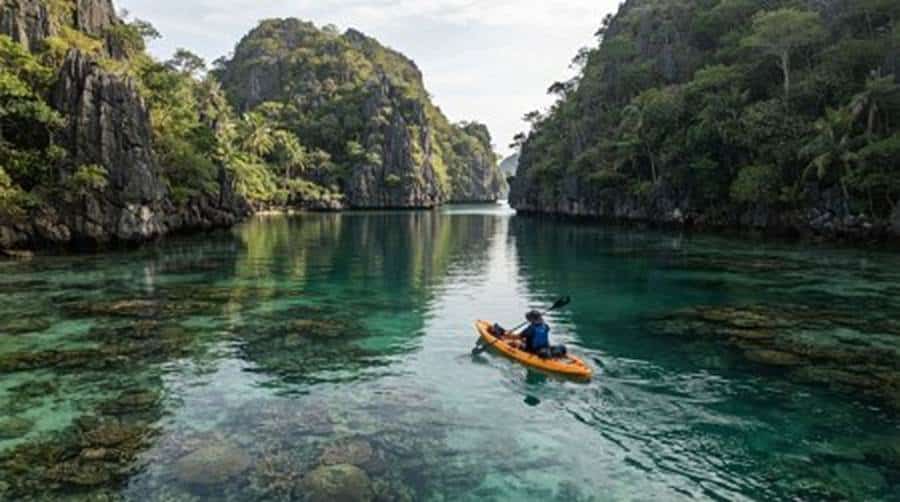
The growing preference for slow travel in 2026 aligns with the need for sustainable tourism practices across delicate island ecosystems. By choosing longer, more intentional stays over frantic, multi-stop rushing, visitors are inherently supporting a model of tourism that values quality and deep cultural immersion over sheer quantity. This slower pace allows local environments to breathe and recover from the heavy foot traffic of traditional mass tourism. In the Philippines, sustainable tourism initiatives are actively influencing how island-hopping routes are designed and managed.
Crucial marine sanctuaries and fragile coastal habitats are now fiercely protected through strict visitor limits, environmental regulations, and mandatory environmental fees. For example, highly sought-after ecological destinations like El Nido and Coron have implemented access controls and permit requirements to cap daily visitor numbers and directly combat overcrowding. Consequently, even the most spontaneous travellers must engage in a degree of responsible advance planning to secure these permits, ensuring that their desire for flexible exploration does not come at the expense of the spectacular natural beauty and rich biodiversity that makes the archipelago so uniquely captivating.