

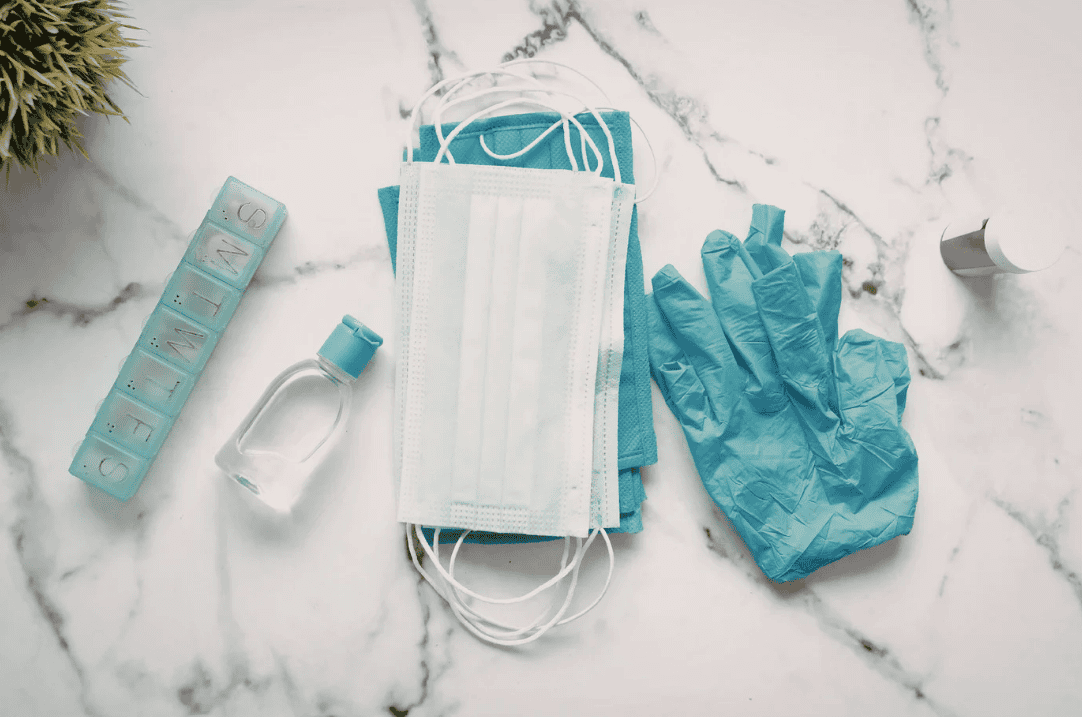
Patient well-being depends on many factors. Medical treatment is important, but medical comfort also plays a major role. When patients feel comfortable, they often recover faster and experience less stress during treatment.
Many people think medical care focuses only on medicines and procedures. In reality, daily comfort, hygiene, and proper equipment also influence recovery. Small improvements in patient care can make a big difference in how someone feels during treatment or long-term care.
Understanding the importance of medical comfort helps caregivers and patients make better decisions about daily care routines.
Why Comfort Matters in Medical Care
Medical comfort is closely connected to both physical and emotional health. When patients feel pain, irritation, or discomfort, their body may respond with stress. This stress can affect sleep, mood, and overall recovery.
Providing proper comfort helps patients:
- Relax during treatment
- Reduce stress and anxiety
- Maintain better sleep patterns
- Improve cooperation with medical care
- Support faster recovery
When patients feel safe and comfortable, they often respond better to treatment plans.
Even small activities can help patients feel more in control. When patients require transfers between hospitals or specialist care, Specialist Mental Health Ambulance Services provide safe, patient-centred transport that supports their independence and well-being.
The Role of Proper Medical Equipment
Medical equipment plays an important role in maintaining patient comfort. Well-designed tools help support the body while reducing pain and irritation.
Many medical devices are created to make daily care easier. These tools help patients perform important functions such as breathing, mobility, or wound care.
Examples of equipment that improve comfort include:
- Adjustable hospital beds
- Support cushions and pressure-relief mattresses
- Mobility aids such as walkers and wheelchairs
- Proper respiratory support equipment
- Medical dressings designed for gentle skin contact
Choosing the right equipment can help patients perform daily tasks more easily.
Supporting Hygiene and Cleanliness
Cleanliness is essential for both medical comfort and health. Poor hygiene can lead to irritation, infections, and unnecessary discomfort.
Maintaining proper hygiene during medical care helps protect patients from complications.
Important hygiene practices include:
- Keeping medical devices clean
- Changing dressings regularly
- Washing hands before and after care
- Cleaning skin around medical equipment
- Monitoring for redness or irritation
These small actions help prevent infections and maintain patient comfort.

Managing Long-Term Medical Conditions
Some patients require ongoing care for chronic conditions. In these situations, medical comfort becomes even more important.
Long-term treatments can sometimes cause irritation or fatigue. Proper care routines help reduce these challenges.
Caregivers can support long-term patients by:
- Creating a consistent daily routine
- Monitoring skin condition around medical devices
- Adjusting equipment for better comfort
- Encouraging gentle movement when possible
- Providing emotional support and reassurance
These practices help patients maintain dignity and independence.
Respiratory Support and Patient Comfort
Respiratory care is a good example of how medical comfort affects treatment success. Patients who rely on breathing support equipment often need regular maintenance and careful monitoring.
When respiratory devices are clean and functioning properly, they help patients breathe more comfortably.
Important respiratory care steps include:
- Checking equipment regularly
- Cleaning parts according to medical guidelines
- Monitoring airflow and breathing patterns
- Replacing worn components when necessary
Proper maintenance ensures that respiratory devices remain safe and comfortable.
In some cases, healthcare providers may recommend using specialized components such as a shiley disposable inner cannula to help maintain airway hygiene and improve breathing comfort. These types of tools are designed to support respiratory care while making cleaning and maintenance easier.
Using the correct components can greatly improve the patient’s daily comfort.
Emotional Comfort Is Also Important
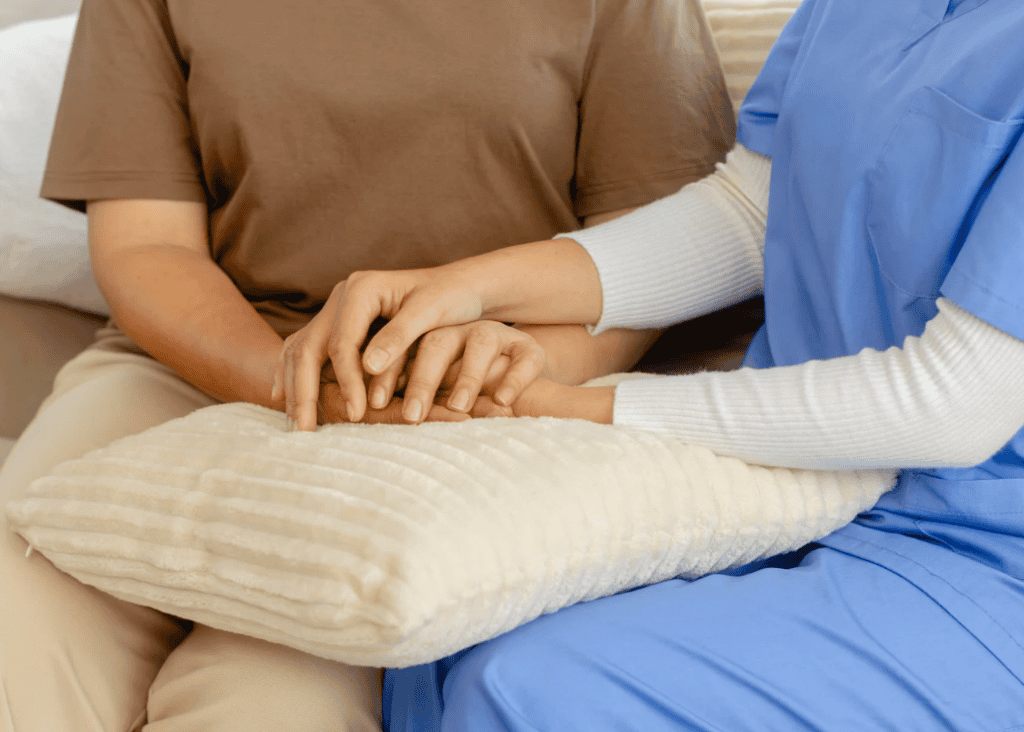
Medical care is not only physical. Emotional well-being also plays a major role in patient health. Many patients feel anxious or uncertain when dealing with medical conditions.
Providing emotional support helps reduce fear and build confidence during treatment.
Simple ways to support emotional comfort include:
- Listening to patient concerns
- Explaining procedures clearly
- Encouraging questions
- Creating a calm and supportive environment
- Offering reassurance during difficult moments
Patients who feel supported emotionally often cope better with medical challenges.
Creating a Comfortable Care Environment
The environment around a patient also affects their well-being. A comfortable space helps patients relax and recover more easily.
Caregivers can improve the care environment by focusing on small details.
Helpful adjustments include:
- Maintaining comfortable room temperature
- Ensuring good lighting
- Reducing unnecessary noise
- Keeping the space clean and organized
- Providing supportive pillows or blankets
A calm and organized environment can significantly improve patient comfort.
The Importance of Skin Protection
Skin health is another key factor in patient comfort. Patients who spend long periods resting or using medical devices may develop skin irritation.
Preventing skin damage helps maintain comfort and reduce complications.
Important skin care practices include:
- Checking skin regularly for redness
- Using protective creams when needed
- Changing dressings or equipment as instructed
- Keeping skin dry and clean
Early attention to skin health prevents many common problems.
The Role of Caregivers
Caregivers play a major role in maintaining patient comfort. Whether they are family members or healthcare professionals, caregivers provide daily support that helps patients feel safe and cared for.
Good caregivers focus on both medical needs and emotional well-being.
Some important caregiver responsibilities include:
- Monitoring patient comfort levels
- Following medical instructions carefully
- Encouraging healthy routines
- Communicating with healthcare providers
- Providing reassurance and encouragement
Compassionate caregiving improves the overall patient experience.
Encouraging Patient Independence
Whenever possible, patients should be encouraged to remain involved in their own care. Independence can improve confidence and emotional health.
Even small activities can help patients feel more in control.
Examples include:
- Allowing patients to manage simple tasks
- Encouraging light movement or exercise
- Helping patients learn how to use their equipment
- Supporting personal decision-making in daily routines
Maintaining independence promotes dignity and self-confidence.
Building a Balanced Care Approach
Effective patient care requires balance. Medical treatments must be combined with comfort, emotional support, and proper hygiene.
When all these elements work together, patients often experience better outcomes.
A balanced care approach includes:
- Proper medical equipment
- Clean and safe environments
- Emotional support
- Clear communication with healthcare providers
- Consistent monitoring of patient comfort
These factors help create a supportive environment for recovery.
Small Improvements Can Make a Big Difference
Many aspects of patient care may seem small, but they have a strong impact on well-being. Clean equipment, comfortable surroundings, and compassionate care all contribute to a better patient experience.
When caregivers focus on both medical treatment and comfort, patients often feel stronger and more confident during recovery.
By paying attention to daily comfort and proper care practices, healthcare providers and families can greatly improve the quality of life for patients facing medical challenges.