

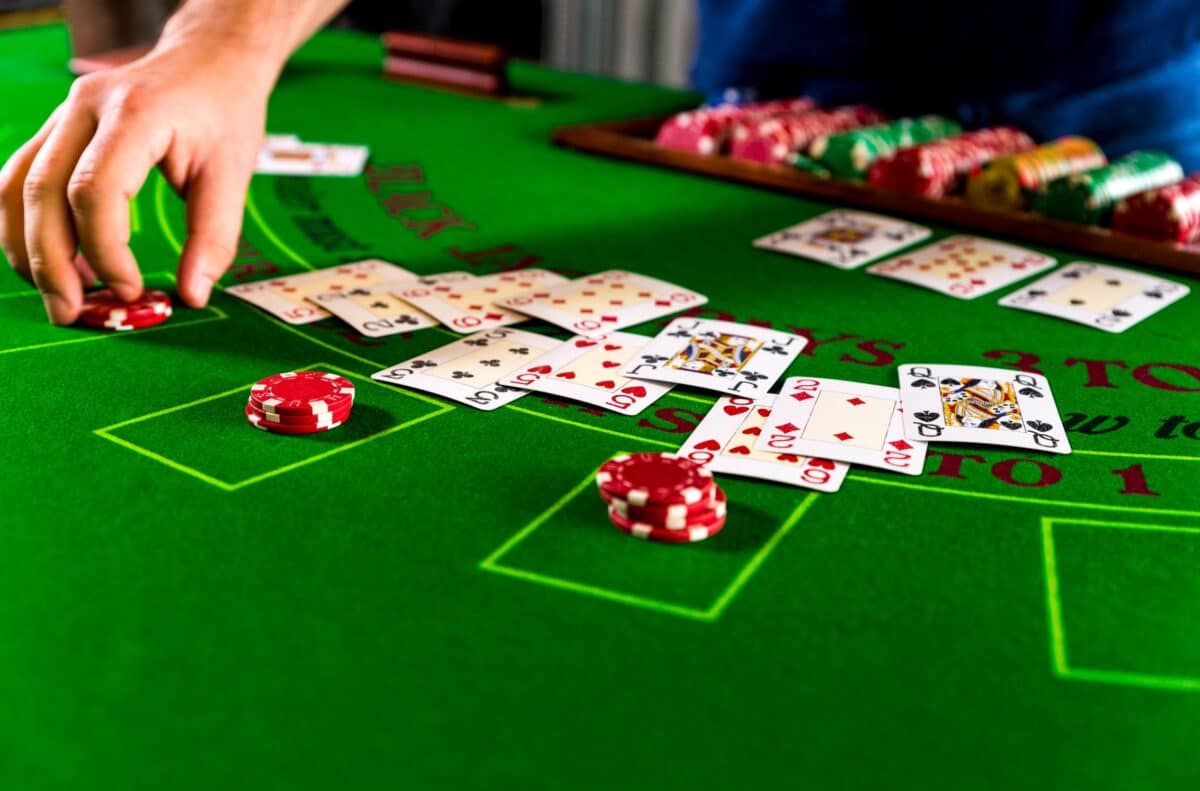
We’ve all had that moment. You’re sitting at a table, cards in hand, and something just clicks. The right call, the right timing, and suddenly you’re riding a streak that feels almost supernatural. But here’s the thing: was that really luck? Or was something else going on inside your head?
The idea that luck is something you can improve sounds a bit wild at first. Luck, by definition, is random. It’s the coin flip you can’t control. Yet psychologists and behavioral researchers keep finding that our relationship with luck is far more complicated than pure chance. And casinos, funny enough, are one of the best places to study it.
Your Brain Wants Patterns (Even When There Aren’t Any)
Here’s where it gets interesting. The human brain evolved to spot patterns. Thousands of years ago, recognizing that certain rustling sounds meant a predator was nearby kept us alive. That skill was essential. But in a casino? It backfires constantly.
Researchers call it the gambler’s fallacy. It’s that gut feeling telling you that after five reds on the roulette wheel, black is “due”. It isn’t. Every spin is independent. The wheel doesn’t have a memory. Still, our brains insist on connecting dots that don’t actually exist. This tendency shows up everywhere in casino gaming (slots, table games, live dealer sessions). Platforms like Betinia NJ offer thousands of options across all these categories, and in every single one, the outcomes remain purely random no matter what patterns your brain thinks it sees.
There’s also something called the availability heuristic. When you hear a friend brag about hitting a jackpot, that story sticks. It’s vivid, exciting, easy to recall. Meanwhile, the dozens of times they walked away empty-handed? Those memories fade. So we end up with a skewed mental picture, one where winning feels more common than it actually is.
The “Lucky Charm” Effect Is Real (Sort Of)
Now, before you toss out your rabbit’s foot, consider this. Superstitions and rituals don’t change the math. A lucky shirt won’t shift the odds on a slot machine. But they can change how you feel, and that matters more than you’d think.
Psychologists have found that people who feel lucky tend to be more confident and relaxed. They make clearer decisions. They’re less rattled by a loss because they trust that things will turn around. In games that involve some element of skill, like poker or blackjack, that calm confidence can genuinely improve performance. Not because the universe is favoring them, but because their mindset is sharper.
So in a weird way, believing you’re lucky can make you play better. It won’t change the outcome of a random slot spin, but it might help you fold when you should fold and push when the odds actually favor you.
The Casino Knows Your Brain Better Than You Do
Casinos aren’t just buildings with games inside. They’re carefully engineered psychological environments. The sounds, the lighting, the layout, all of it is designed to keep you engaged and spending. That “almost won” feeling when two matching symbols land with the third just barely off? That’s called a near-miss, and your brain treats it almost like a real win. Dopamine still fires. Excitement still builds. And you keep playing.
This is where awareness becomes your strongest tool. Understanding that these triggers exist doesn’t make you immune to them, but it does give you a moment of pause. And that pause can be the difference between a fun evening and a regretful one.
So, Can You Actually Get “Luckier”?
Here’s the honest answer. You can’t change randomness. A dice roll is a dice roll. But you can change how you respond to it.
People who study luck, like psychologist Richard Wiseman, have found that “lucky” people share certain traits. They’re open to new experiences. They listen to their gut but don’t ignore logic. They’re resilient after setbacks. They notice opportunities that others walk right past.
Applied to gambling, this translates into a few practical habits. Set limits before you start playing. Know the rules and odds of your game. Don’t chase losses. Treat wins as bonuses, not expectations. And pay attention to how you’re feeling, because emotions are the invisible hand that steers most bad decisions at the table.
It’s About the Experience, Not the Outcome
The best gamblers, the ones who genuinely enjoy it long-term, tend to see casino games as entertainment. They budget for it like they’d budget for a concert or a nice dinner. The thrill is in the experience itself, not in some guarantee of profit.
Getting better at luck isn’t really about bending probability in your favor. It’s about understanding yourself: your biases, your emotional triggers, your patterns. When you know how your brain works in high-stakes moments, you make smarter choices. And smarter choices, over time, look a whole lot like good luck.