

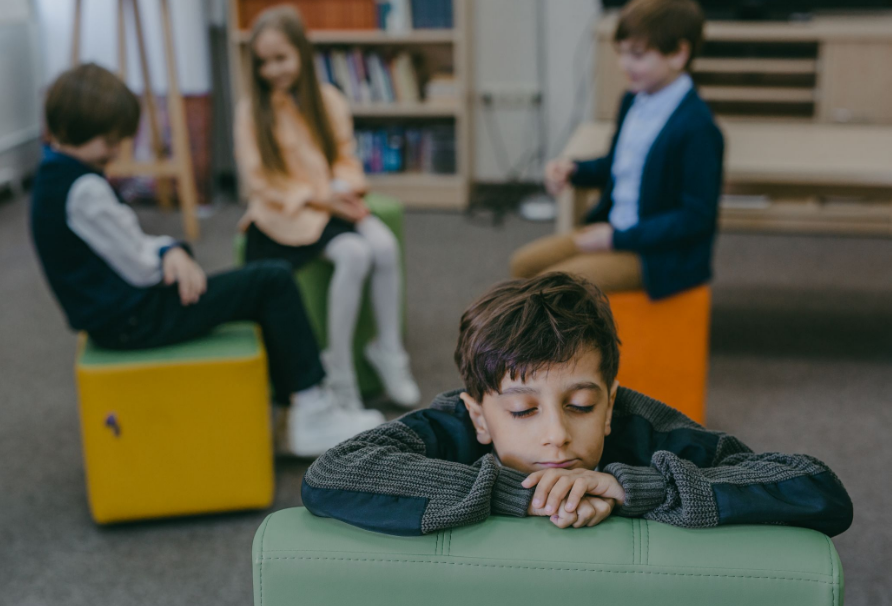
Helping children develop strong communication skills often requires more than structured lessons alone. Kids learn best when they’re engaged, motivated, and comfortable, whether they’re practicing speech sounds through interactive games or winding down with calming sensory strategies that support quality sleep.
Interactive speech therapy activities encourage children to practice language naturally through play, while sensory-friendly tools that promote better rest can contribute to overall learning, attention, and emotional regulation. Together, these approaches help create an environment where children are better prepared to communicate and learn.
Why Play Makes Speech Therapy More Effective
Games aren’t just “fun add-ons” to serious therapy. They’re how the brain actually absorbs language, especially in children. Research on child development consistently shows that children retain new sounds, words, and sentence structures far better through active, emotionally engaging experiences than through rote repetition alone. Play reduces the anxiety that often surrounds speech difficulties, which means a child’s nervous system stays calm enough to absorb new patterns.
Here’s the thing: interactive speech therapy games work because the child’s attention stays on the game objective rather than the self-conscious act of producing sounds correctly. That redirection isn’t magic; it’s a well-documented principle in language acquisition theory that therapists and educators rely on daily. The games remove performance pressure and replace it with play motivation. That shift alone can make weekly targets feel achievable rather than exhausting.
Articulation Games That Encourage Clear Speech
Many speech therapy sessions begin by targeting specific speech sounds, but practice doesn’t have to rely on repetitive drills.
Popular articulation activities include:
Picture Card Games
Children draw picture cards featuring target sounds and say the word or use it in a sentence before moving forward in the game.
This creates frequent opportunities to practice sounds such as:
- /r/
- /s/
- /th/
- /l/
- Other speech targets recommended by a therapist
Barrier Games
In barrier games, two players each have matching pictures separated by a divider.
One child describes where items belong while the other recreates the arrangement using only spoken directions.
Because success depends on clear communication, children are naturally motivated to pronounce words accurately.
Vocabulary and Language Games
Speech development involves much more than producing individual sounds.
Games that strengthen language skills include:
- Category sorting activities
- Twenty Questions
- Story-building games
- Picture description challenges
- Sequencing activities
These games encourage children to expand vocabulary, build complete sentences, organize ideas, and improve conversational skills.
Phonological Awareness Through Play
Phonological awareness—the ability to hear and manipulate speech sounds—is an essential foundation for both communication and early reading.
Fun activities include:
- Rhyming bingo
- Syllable clapping games
- Beginning sound matching
- Sound substitution challenges
- Word segmentation games
Because these activities focus on listening rather than reading, they help children strengthen important language-processing skills before literacy demands increase.
Digital Speech Therapy Games
Technology has made speech practice more accessible between therapy sessions.
Many digital speech activities offer:
- Interactive articulation practice
- Audio models of correct pronunciation
- Immediate feedback
- Progress tracking
- Customizable difficulty levels
While apps can reinforce learning, they work best alongside guidance from a licensed speech-language pathologist who can provide individualized instruction and feedback.
The Importance of Rest for Learning and Communication
Speech and language development don’t happen only during therapy sessions. Quality sleep plays an important role in attention, memory, emotional regulation, and learning.
Children who sleep well are often better able to:
- Concentrate during therapy
- Retain new vocabulary
- Follow directions
- Regulate emotions
- Participate in conversations
For children who are sensitive to environmental noise or have difficulty relaxing at bedtime, creating a calming sleep environment may support healthier daily routines.
How Pillow Speakers Can Support Relaxation
Sound plays a far more complex role in sleep than most people expect. You’ll find pillow speakers for better sleep work by sitting directly inside or beneath your pillow, so audio travels just inches from your ears rather than broadcasting across the room. That proximity changes everything. Instead of competing with environmental noise at high volume, a pillow speaker delivers audio at 40 to 60 decibels (roughly the level of a quiet conversation) straight at your ear canal. Your brain registers that audio as the dominant input, which makes it far easier to tune out background interference. The result? A private sound environment that doesn’t require earplugs, doesn’t isolate you completely from your surroundings, and doesn’t force your ears into a sealed device for six to eight hours. For people using sound therapy as part of a sensory or relaxation routine, this delivery method works especially well because the audio stays consistent no matter how much you shift positions during the night.
Reducing Nighttime Distractions
Unexpected sounds during the night can interrupt sleep and make it more difficult to stay asleep.
Low-volume background audio may help reduce awareness of environmental noises such as:
- Traffic
- Household sounds like TV’s
- Neighborhood activity
- A partner’s snoring
Many people find that consistent background sounds create a more predictable listening environment, making bedtime feel calmer and more relaxing.
Features to Consider
If choosing a pillow speaker, comfort is just as important as sound quality.
Helpful features include:
- Thin, flexible design
- Comfortable placement beneath the pillow
- Adjustable volume controls
- Sleep timer functions
- Clear playback for speech, music, or nature sounds
Finding a comfortable position before bedtime can help minimize distractions throughout the night.
Supporting Children Beyond Therapy
Parents can reinforce communication skills throughout the day by combining structured practice with enjoyable everyday experiences.
Simple ideas include:
- Playing speech games during family time.
- Reading books together every day.
- Encouraging storytelling and conversation.
- Practicing therapist-recommended activities.
- Maintaining consistent bedtime routines that promote restful sleep.
- Creating a calm environment where children feel confident communicating.
Small daily habits often have a lasting impact on children’s communication and overall development.
Conclusion
Interactive speech therapy games transform communication practice into enjoyable learning experiences that encourage repetition, confidence, and language growth. At the same time, healthy sleep habits and calming sensory strategies can support children’s attention, emotional regulation, and readiness to learn.
Every child develops differently, and the most effective approach combines professional guidance with engaging activities at home. By creating opportunities for both meaningful communication practice and restorative rest, families can support children’s development in ways that extend well beyond formal therapy sessions.
Please note: This article is intended for educational purposes only and should not replace professional medical or therapeutic advice. If you have concerns about your child’s speech, language, sleep, or overall development, consult a licensed speech-language pathologist, pediatrician, or other qualified healthcare professional.