

Trauma is not only something you remember — it’s something your body keeps living through. If you’ve ever felt your heart pound, your muscles lock up, or your mind go blank in a stressful moment, you’ve already watched your nervous system at work.
Understanding how trauma affects the nervous system can help you make sense of these reactions and take real steps toward feeling balanced and in control again.
These responses aren’t flaws or weaknesses. They’re built-in survival mechanisms designed to protect you — and once you understand them, they become far less frightening.
What Is the Nervous System?
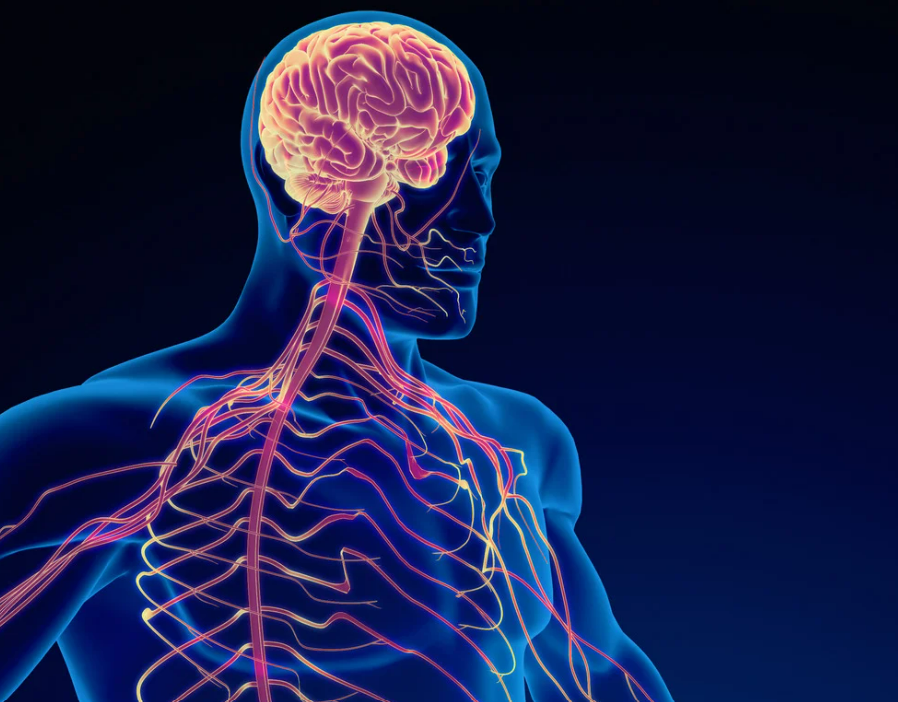
Your nervous system is your body’s communication network. It shapes how you think, feel, and respond to everything around you. It has two main parts.
The central nervous system includes your brain and spinal cord. It processes information and makes decisions.
The autonomic nervous system controls automatic functions you never have to think about, including heart rate, breathing, and digestion. This is the part most involved in how you respond to stress and trauma.
The Fight, Flight, and Freeze Response
When your brain senses danger — whether the threat is real or only perceived — it activates a survival response. This is often called the fight, flight, or freeze response, and it happens automatically. You don’t choose it; your body does.
Fight Response
You may feel anger or frustration, a surge of energy, and a strong need to take control of the situation.
Flight Response
You may feel anxious or restless, with racing thoughts and an urge to leave or avoid what’s happening.
Freeze Response
You may feel numb or disconnected, unable to act, and mentally “blank.”
All three are normal. Each is simply your body’s attempt to keep you safe.
How Trauma Affects the Nervous System Over Time
After trauma, your nervous system can stay switched on long after the danger has passed. Instead of settling back into a calm state, your body may remain locked in survival mode.
This ongoing activation can lead to constant alertness, difficulty relaxing, strong or sudden emotional reactions, and heightened sensitivity to everyday stress.
According to the National Institute of Mental Health, trauma can change the way the brain and nervous system respond to stress, making those reactions more intense and longer-lasting.
Why Your Body Reacts Even When You’re Safe
One of the most confusing parts of trauma is that your body can react when there’s no real danger present. This happens because your nervous system learns from past experiences. If something even slightly reminds your brain of a previous threat, it can fire off the same protective response.
These reminders are often called triggers. A sound, a place, a particular situation, or a memory can all set one off — and your body responds as though the danger is happening all over again.
The Role of the Brain in Trauma Response
Several brain regions shape how your nervous system reacts to trauma.
The Amygdala (Threat Detection)
The amygdala scans constantly for danger. After trauma, it can become overactive, leaving you feeling on edge and prone to overreacting to small things.
The Hippocampus (Memory Processing)
The hippocampus helps organize memories. Trauma can disrupt how memories are stored, which may lead to flashbacks or a blurred line between past and present.
The Prefrontal Cortex (Decision-Making)
This region helps you think clearly and stay calm. Under stress it becomes less active, making it harder to focus, make decisions, and regulate emotions.
How Trauma Shows Up in the Body
Trauma is physical as well as emotional. You might notice muscle tension, a rapid heartbeat, shallow breathing, persistent fatigue, or digestive problems. According to the American Psychological Association, chronic stress and trauma can produce long-term physical symptoms because the nervous system stays activated.
The Link Between Trauma and Mental Health
When the nervous system stays stuck in survival mode, it can take a toll on mental health. Common challenges include anxiety, depression, post-traumatic stress disorder (PTSD), and substance use disorders.
According to the National Institute on Drug Abuse, stress and trauma are major factors that raise the risk of substance use disorders — often because substances become a way to cope with overwhelming feelings. Recognizing this connection is an important first step toward seeking the right support.
Can the Nervous System Heal From Trauma?
Yes — the nervous system can heal. Your body has a natural ability to return to a more balanced state. The process takes time, but it is genuinely possible.
Healing doesn’t mean removing all stress from your life. It means helping your body feel safe again. Organizations like Cenikor emphasize compassionate, evidence-based care that supports long-term recovery and helps people build lasting stability and well-being.

How to Calm Your Nervous System: 6 Ways to Support Regulation
You don’t need complicated techniques to begin. Small, consistent practices can help your nervous system feel calmer over time.
1. Deep Breathing
Slow breathing signals to your body that it’s safe. Try inhaling for 4 seconds, holding for 4 seconds, and exhaling for 6 seconds.
2. Grounding Techniques
Grounding brings your focus back to the present. Notice what you can see, hear, and feel, and pay attention to your immediate surroundings.
3. Physical Movement
Movement helps release built-up tension. Walking, stretching, and light exercise all work well.
4. Consistent Routines
Routine creates a sense of safety. Focus on regular sleep, daily structure, and predictable habits.
5. Safe Connections
Talking with someone you trust helps regulate your nervous system. Connection can reduce stress, increase feelings of safety, and improve emotional balance.
6. Professional Support
Therapy can help you understand your responses, process past experiences, and build effective coping strategies.
Small Steps You Can Start Today
You don’t have to do everything at once. You can begin simply: take one slow breath, notice how your body feels, or create a single calming routine. These small steps add up to meaningful, long-term change.
You Are Not Your Reaction
If your body reacts strongly to stress, it doesn’t mean something is wrong with you. It means your nervous system is doing its job — trying to protect you. With understanding and support, these reactions can become far more manageable.
Final Thoughts
Your nervous system plays a powerful role in how you experience trauma, shaping your reactions, your emotions, and your sense of safety. By understanding how it works, you can start to respond with awareness instead of confusion. Healing takes time, but your body is fully capable of it — and every small step toward calm matters.
If trauma and its effects feel overwhelming, reaching out to a qualified professional or a trusted treatment provider can help you find a path forward.
Frequently Asked Questions
How does trauma affect the nervous system? Trauma can keep the nervous system in survival mode long after the event has passed. This leads to constant alertness, difficulty relaxing, intense emotional reactions, and heightened sensitivity to stress.
What is the fight, flight, or freeze response? It’s an automatic survival reaction triggered when the brain senses danger. Fight involves confronting the threat, flight involves escaping it, and freeze involves shutting down or becoming still.
Why does my body react to triggers when I’m safe? Your nervous system learns from past experiences. When something resembles a previous threat — a sound, place, or memory — it can activate the same protective response even when there’s no real danger.
Can the nervous system heal from trauma? Yes. With time and support, the nervous system can return to a more balanced state. Practices like deep breathing, grounding, movement, routine, connection, and therapy all support healing.
How can I calm my nervous system quickly? Slow, deep breathing is one of the fastest ways to signal safety to your body. Try inhaling for 4 seconds, holding for 4, and exhaling for 6, paired with a grounding exercise.
Sources
- National Institute of Mental Health (NIMH) — https://www.nimh.nih.gov/health/topics
- American Psychological Association (APA) — https://www.apa.org/topics/stress
- National Institute on Drug Abuse (NIDA) — https://nida.nih.gov/research-topics/stress
- Substance Abuse and Mental Health Services Administration (SAMHSA) — https://www.samhsa.gov/trauma-violence
- Cleveland Clinic – Trauma and the Nervous System — https://my.clevelandclinic.org