

Introduction: More Than Just Physical Pain
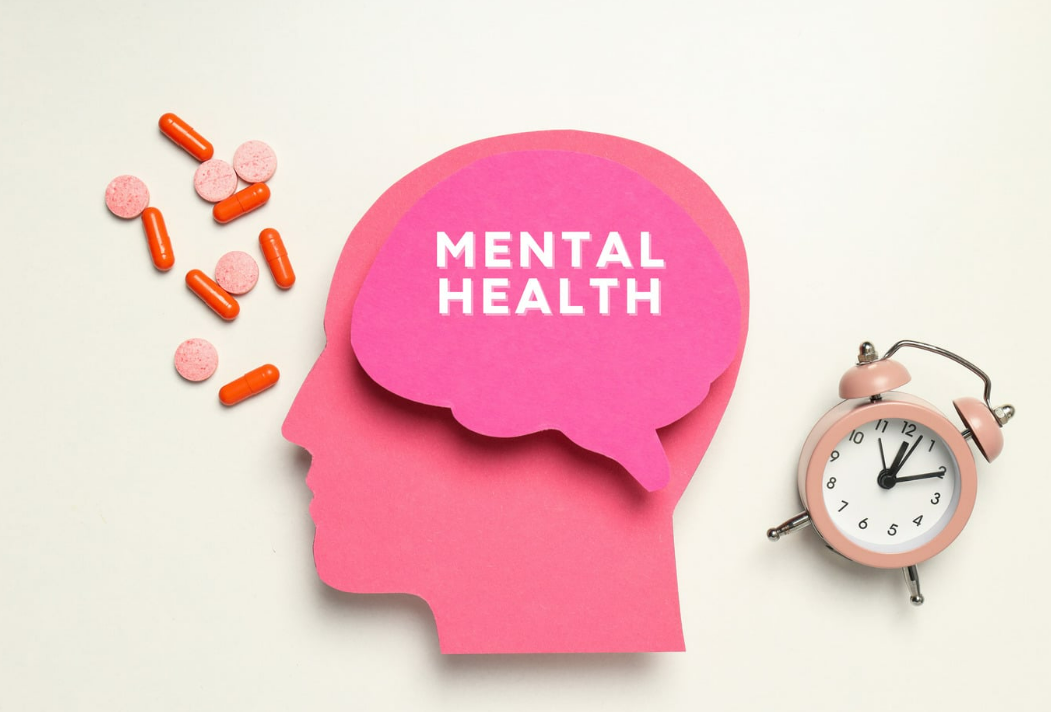
Chronic knee pain can be thought of as mobility, strength, and function issues with a knee problem. While issues with knee function and strength are significant, the burden of chronic knee pain is much larger than the knee.
For many people who deal with chronic pain, the emotional and psychological effects of persistent pain can be more severe than the physical effects.
Psychology and healthcare are beginning to explore the interactions of physical pain and mental health. There is a growing acknowledgment that chronic pain and mental health are closely linked.
The presence and severity of pain that persists for months and even years can have a negative impact on mood, stress, and self-esteem, as well as social interactions and the overall satisfaction with life.
The mind and body are closely linked, and this must be as obvious to providers of service as the patients must be.
A significant barrier to achieving chronic knee pain patient satisfaction, wellness, and improvement of function pain is the untreated psychological effects of chronic knee pain.

Understanding Chronic Knee Pain
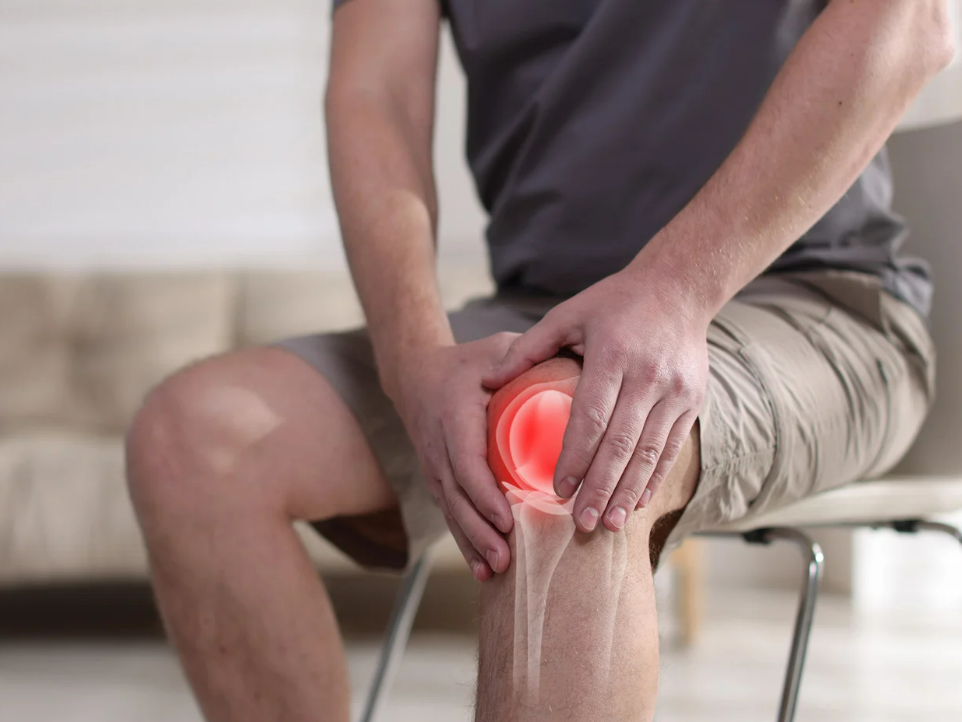
Knee pain is the most reported chronic pain of the musculoskeletal system. Knee pain can be caused by many conditions, such as arthritis, ligament and cartilage injury, tendinopathy, overuse injury, and degeneration due to aging.
Chronic pain is different from acute pain in that it is a permanent injury without the recognition of a direct cause. The pain can be permanent even after full healing of the injury.
Chronic knee pain can make the most ordinary tasks, like walking or driving, become unbearably frustrating and exhausting. Constant pain can also cause emotional discomfort, and decrease the satisfaction you find in your everyday life.
The Science Behind the Mind-Body Connection
There are pathways built into the brain and body that are designed to facilitate communication with one another. Pain can be more than a simple sensation; it can be a psychologically interpreted experience.
If pain signals are sent repeatedly, the nervous system can become overly sensitive. Central sensitization can cause the brain to sharpen pain perception, and increase the level of discomfort felt.
Emotional states are also capable of changing pain perception. Depression and other emotional distress can stimulate pain symptoms; while emotional wellness can alter pain symptoms and increase your ability to cope with pain.
Why Chronic Knee Pain Negatively Impacted Daily Life
Chronic knee pain’s ability to disrupt simple everyday tasks is one of the most frustrating parts of chronic pain. It can rob you of physical activity that you once found joy in. It can also make traveling, outdoor activities, and even social events exhausting acts that you are forced to avoid.
As independence is lost, frustration and helplessness generally take its place. Individuals practicing self-sufficiency and proactivity frequently encounter emotional issues if they suffer from an injury that causes them to stop work.
Disruptions in physical health result in the slow erosion of confidence, motivation, and general satisfaction in one’s life.
Chronic Pain and Depression
Chronic Pain and Depression have an intrinsically related existence. Evidence from relevant studies reinforces and reestablishes that existence. Depression is a chronic injury. Chronic Depression and Chronic Pain are terms that reflect that existence.
The relationship is cyclic because the presence of chronic pain acts as a catalyst for the worsening of depression, while the worsening of depression catalyzes the worsening of chronic pain.
The dark cloud that chronic knee pain is to a person may only feel worse, the longer treatment is avoided. Pain that’s constant slowly drains the motivation for and the enjoyment from hobbies that once brought happiness, while simultaneously isolating you from the world and making you feel sad.
Pain that never ends worsens already chronic depression and causes a sleep disturbance that is equally chronic.
Knowing about and forming an awareness of the relationship is significant because the absence of one of them means the absence of the other. Healing the feelings that have caused suffering in the past may lead to a healing of the chronic pain that is present.
Anxiety and Avoidance of Movement
Even when treatment is sought, frustration can be caused when the dark cloud of chronic knee pain appears to only worsen the situation and leave the person feeling worse than before. Avoidance of movement is cursing your chronic knee pain to worsen even more.
Over time, this creates acute physical and emotional effects. People become more anxious about things they do every day, including working out and about their health.
Breaking this cycle typically utilizes a combination of learning, rehabilitation, and strategies that develop the patient’s confidence to move.
The Social Impact of Chronic Knee Pain
Chronic knee pain causes people to say no to different events, avoid traveling, and withdraw from social activities that cause them pain. This eventually leads to loneliness and emotional isolation.
This also impacts your family life. Your family wants to help, but usually has no idea of the burdens associated with chronic pain that are so emotionally exhausting.
Chronic pain is a highly stressful condition, but patients with a good social support network report more confidence to cope with their pain and a more positive outlook.
Sleep Disturbances and Emotional Health
Pain and sleep are linked closely. Chronic knee pain causes a reduction in the quality of sleep and maintaining pain causes an emotionally exhausting burden.
Poor sleep increases pain and inflammation and changes your mood. When your sleep quality is so poor you feel more pain and are more anxious and irritable and exhausted.
Unfortunately, emotional pain and the distress it causes perpetuate the cycle of chronic pain and poor sleep.
For this reason, pain management strategies must include considerations for a person’s sleeping health.
The Role of Exercise
Many people try to avoid exercise when they have a painful knee. This is a mistake as activity is essential to both physical and mental recovery.
Keeping active positively impacts joints and muscles as well as improving blood flow and flexibility. Exercise releases endorphins, the body’s natural painkillers, which also help elevate mood.
Walking, swimming, cycling, or other physical therapy led rehab exercises can all be adjusted to better suit individual needs.
Movement is essential for both physical health and mental well-being. Restoring both health and well-being and physical activity help realize confidence and independence.
Avoiding Surgery with Alternative Treatment Options
It is common to think surgery is the only option for knee pain. Continuous advancements for the treatment of pain and the application of regenerative medicine have expanded alternatives.
Numerous patients may find physical therapy and rehab, along with regenerative medicine and other minimally invasive procedures, to greatly enhance their quality of life by decreasing pain and improving function.
Patients looking to explore non-surgical options for knee pain relief may benefit from personalized treatment approaches designed to preserve mobility while reducing discomfort.
People who wish to avoid surgery for greater comfort and improved function, often find a treatment plan tailored to their individual needs helps achieve their goals by addressing pain and preserving their ability to function.
Assessments with physical therapy and pain management initiation can help to assure that pain does not worsen or become permanent while also aiding in the therapy of the underlying condition.
Using Psychology to Manage Pain
The management of modern pain acknowledges that pain is a complex biopsychosocial phenomenon and as such, psychological treatment is a necessity.
Techniques such as relaxation, mindfulness, and stress management, all have proven advantages for people with chronic pain.
In these ways, a greater understanding of psychological and social aspects of pain does not suggest pain is ‘all in the mind’. Rather, it encourages people to learn healthier coping skills and lessens the psychological burden of long-lasting pain.
Using mindfulness techniques, for example, can enable patients to respond to pain in a thoughtful manner instead of emotionally.
Cognitive techniques may help ease the symptoms of anxiety and depression by changing negative thinking patterns.
Integrated with medical care, psychological services often improve the overall effectiveness of treatment.
Holistic Healing
The best treatment plans often integrate both the physical and psychological worlds. Chronic knee pain refers to the whole person, and not solely to the knee.
A holistic model may draw on medical care, rehabilitation, exercise, and appropriate nutrition, sleep, and stress management, as well as techniques to enhance emotional health.
The result of this integrated model is that patients are often able to carry on with their lives and manage their symptoms.
This model recognizes the vital importance of the integration of the physical and psychological realms in the management of chronic pain.
Conclusion: Healing the Body and Supporting the Mind
Chronic knee pain is more than just a physical problem. It can deeply affect emotional health and social and personal relationships, and really damages confidence and affects the quality of sleep and the overall quality of life.
More and more studies are demonstrating the importance of addressing the mind together with the body when treating pain. This will enable both patients and health care providers to adopt a more collaborative and caring model of treatment.
Chronic knee pain can be a frustrating issue, but there are treatment options available. A combination of appropriate medications, healthy habits, emotional support, and ongoing care can help manage symptoms and improve overall well-being. For individuals living with chronic health conditions, working with healthcare professionals to develop a personalized treatment approach can support both physical comfort and long-term quality of life