


Anxiety and depression are everywhere these days.
They impact millions nationwide and each year the numbers grow. The difficult thing is most mental health sufferers don’t know where to look.
Here’s the good news:
Behavioral health treatment options have never been more abundant. From mild to severe symptoms there is a fit for you.
Let’s break it all down…
What’s Covered In This Guide:
- The State Of Anxiety And Depression Today
- Why Behavioral Health Treatment Matters
- The Main Pathways To Healing
- How To Pick The Right Pathway
- What Recovery Actually Looks Like
The State Of Anxiety And Depression Today
The numbers don’t lie…
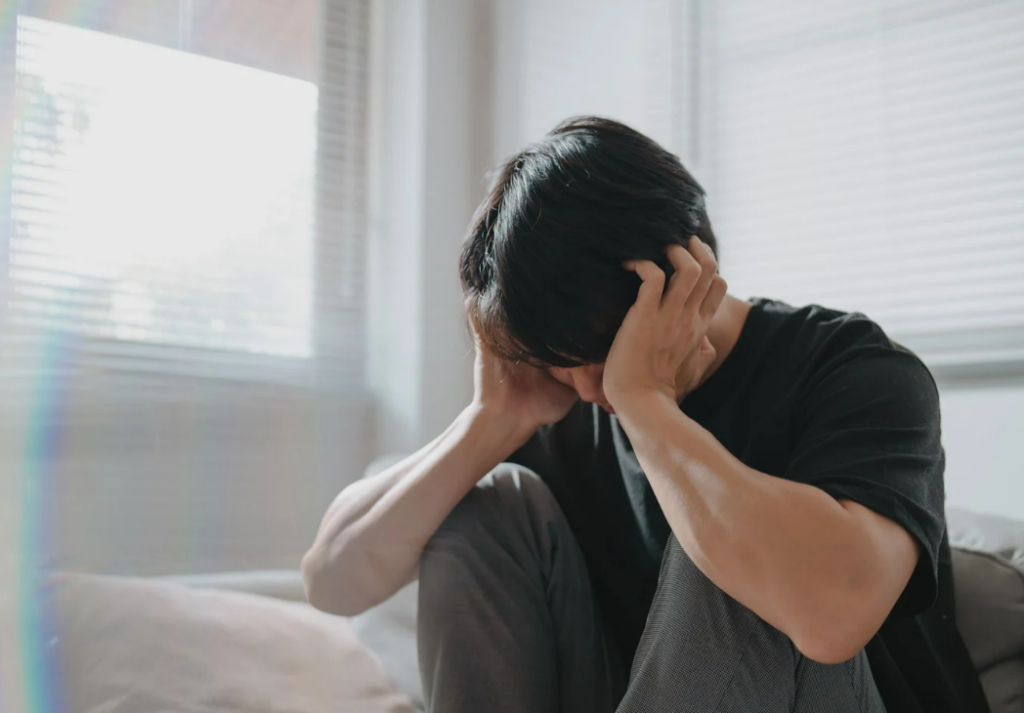
Rates of mental illness continue to reach new heights. From the latest Gallup polling, 18.3% of US adults receive treatment for depression. That’s nearly 47.8 million Americans. Ten years ago, that number was significantly lower.
Depression isn’t alone in that regard. According to NAMI, anxiety disorders affect 19.1% of adults in America. Many people struggle with both simultaneously.
Here’s the kicker though:
So many people suffer and never seek help. They struggle because they don’t know what to do or where to go from there. That is where quality behavioral health treatment steps in.
If you or a loved one are struggling with anxiety or depression, explore the mental health treatment options at Wellness Hills. Their behavioral health treatment programs meet you where you’re at and guide you through every step of the process.
Why Behavioral Health Treatment Matters
Behavioral health treatment refers to mental health and emotional well-being and care related to actions which affect everyday life.
Think of it like this:
An injury to your body requires medical attention in order to heal. Mental and emotional injuries are no different. They require actual care, rather than force of will or “toughing it out”.
Behavioral health treatment helps people-
- Manage symptoms day-to-day
- Build healthy coping skills
- Repair important relationships
- Get back to work or school
- Feel like themselves again
Left untreated, anxiety and depression generally become more severe. Symptoms start to impact all aspects of your life including work, friendships, sleep, and physical health.
That’s why getting started early matters so much.
The Main Pathways To Healing
Here is the thing about healing… There is no ONE “right” way for everyone. Everyone needs something different. You just have to find what works for the individual.
Below are the most common pathways that actually work…
Outpatient Therapy
This is the entry point for most people.
Outpatient therapy involves seeing a licensed therapist on a weekly basis. Appointments are made to meet at the therapist’s office and your life happens elsewhere.
It works well for:
- Mild to moderate anxiety
- Mild to moderate depression
- People who can still function day-to-day
- Anyone who wants to talk through what they are feeling
You’re likely to encounter therapies like cognitive behavioural therapy (CBT), dialectical behaviour therapy (DBT), and good old-fashioned talk therapy. They each approach the problem in a slightly different way.
Intensive Outpatient Programs
Sometimes once-a-week therapy isn’t enough.
IOPs provide a higher level of care for someone without removing them from their home environment. Typically, you will visit a few times a week for a few hours per session.
IOPs are an excellent balance. Individuals can still reside at home, go to work, and spend time with family while receiving intensive care.
Partial Hospitalization Programs
PHPs are a step up from IOPs.
These programs take place during the day for the majority of the week and can almost be considered full-time. Patients return home overnight, but spend their days receiving intensive treatment.
PHPs work best when-
- Symptoms are severe but stable
- Daily structure is needed
- Outpatient care has not been enough
Inpatient Treatment
This is the most intensive level of care.
Inpatient treatment involves residing at a treatment center 24 hours a day. It is intended for individuals who are in crisis or need a safe environment to stabilize.
Although it may sound terrifying, inpatient care can save lives. The routine and around-the-clock care lets individuals focus on nothing but recovery.
Medication Management
Medication is a powerful tool when used the right way.
Psychiatrists and psychiatric nurse practitioners prescribe medications that restore brain chemistry to a healthy balance. SSRIs and SNRIs are the most commonly prescribed medications for anxiety and depression. There are only a few others.
Disclaimer: Medication is most effective when combined with counseling. Pills don’t generally solve the underlying problem.
How To Pick The Right Pathway
Picking a pathway feels overwhelming. Here is the simple way to think about it…
Start by asking these questions:
- How bad are the symptoms?
- Can daily life still happen normally?
- Is there a safety concern?
- What kind of support is available at home?
Mild symptoms? Outpatient therapy is usually the right call.
Moderate symptoms? An IOP might be the better fit.
Severe symptoms? A PHP or inpatient program will give the structure needed to heal.
If you’re in doubt, err on the side of caution and book an assessment with a mental health professional. They’ll know which pathway is appropriate where.
What Recovery Actually Looks Like
Recovery isn’t a straight line.
Some weeks you’ll feel awesome. Some weeks you’ll feel like you took 3 steps back. Both are ok.
Real recovery looks like:
- Sleeping better most nights
- Handling stress without falling apart
- Reconnecting with people who matter
- Finding joy in small things again
- Knowing what to do when symptoms creep back
It doesn’t happen overnight. It doesn’t just magically occur. But it does happen to those who stay in treatment and have faith in the process.
Final Thoughts
Anxiety and depression are tough. There is no sugarcoating that.
However there are effective ways to recover that have been proven over and over. Behavioral health treatment has evolved greatly and there are options now that can work in just about any situation.
To quickly recap:
- Outpatient therapy is the starting point for most people
- IOPs offer more support without disrupting daily life
- PHPs and inpatient care handle severe symptoms
- Medication can be a big help when paired with therapy
- Recovery is possible, but takes time and patience
Take step one. Contact a professional. Ask questions. Get started. It DOES get better when you have the right people behind you.